
Available to book
Helen Wall
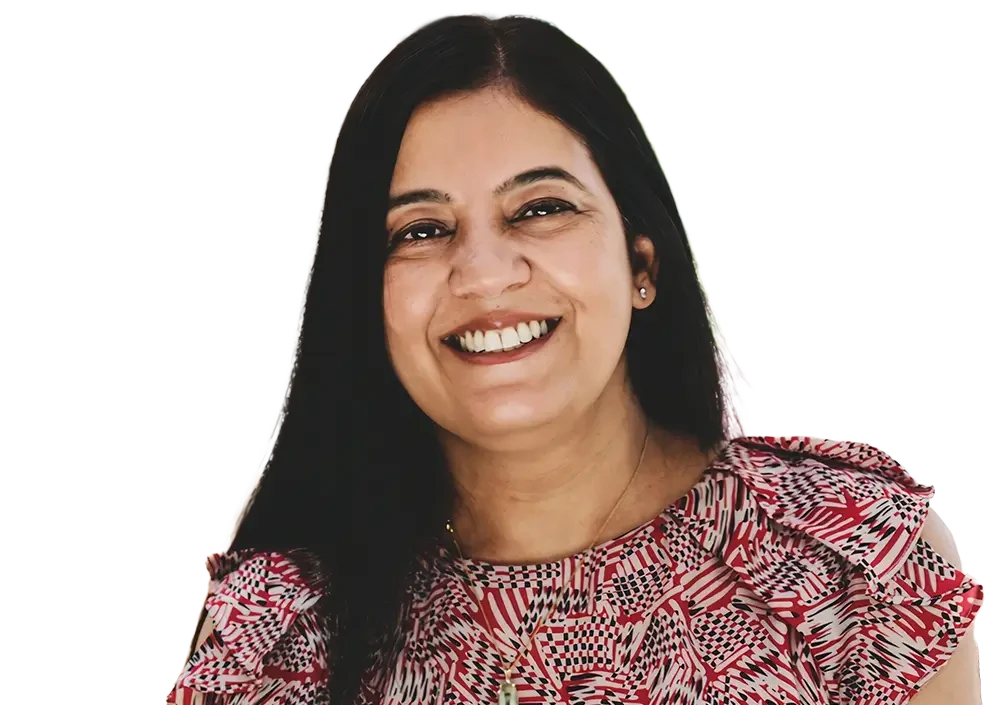
Dr Helen Wall helps organisations understand how hormones, perimenopause, and ADHD affect women's focus, confidence, and performance at work. A women's health speaker and BMS menopause specialist, she's BBC Breakfast's resident GP and a Penguin author.

Dr Helen Wall is an NHS GP, BBC Breakfast's resident doctor, and one of the UK's leading voices on the female brain. She speaks on how hormonal change, perimenopause, and ADHD can affect women's focus, memory, and confidence at work.
She's a registered British Menopause Society menopause specialist and the author of Menopause and ADHD, published by Penguin. Helen appears regularly on BBC Breakfast, BBC Morning Live, and Radio 4's Woman's Hour, writes a weekly column for Woman magazine, and has spoken for NatWest, Amazon, Dentons, and the NHS.
For almost two decades as a GP, Helen has heard women describe real, complex symptoms and be told they're stressed, anxious, or simply getting older. Her work connects hormones, cognition, mood, and neurodivergence. It also draws on ten years as Clinical Director of Population Health for Greater Manchester, where she oversaw immunisation and screening programmes and led public communication through COVID-19.
Her talks show leaders where workplace structures create barriers for women, and what to change to reduce absence and presenteeism, protect performance, and keep experienced female talent. Audiences leave with evidence-led ways to support cognition, energy, and wellbeing, and the language to ask better questions about their own health.
Book Helen Wall when your organisation wants women's health at work explained with clinical authority, without jargon, and with practical changes your teams can put in place.
Topics, sessions and talks
Women's health doesn't stay at home when the working day begins. Helen Wall explores how hormones, reproductive health, menopause, and neurodivergence intersect with working life, and why understanding them matters for every manager. Drawing on her clinical practice and corporate workshops, she shows where workplace structures and expectations can unintentionally create barriers for women. Organisations leave ready to move beyond awareness towards informed, practical changes that support wellbeing, confidence, retention, and performance.
ADHD can stay hidden behind high achievement for decades, only to become harder to compensate for in midlife. Helen Wall explains the roles of masking, intelligence, structure, hormonal change, and burnout, and why so many women recognise their ADHD during perimenopause. As a GP and BMS menopause specialist who wrote the book on this intersection, she makes the science clear and personal. The result is a new understanding of capable colleagues and evidence-led ways to support cognition, energy, and wellbeing.
For decades, women's hormones have been viewed mainly through reproduction and physical health, while their influence on the brain, cognition, mood, and behaviour has been overlooked. Helen Wall challenges these long-standing assumptions and sets out what emerging science is revealing about the hormone-brain connection. Combining clinical experience with clear, accessible explanation, she shows why this matters in healthcare, in workplaces, in relationships, and in the way women understand themselves, and what a better-informed approach looks like.
Periods are often treated as something women simply have to put up with. Helen Wall explains what a healthy menstrual cycle can look like, what symptoms may be signalling, and why pain, heavy bleeding, irregular cycles, and significant changes shouldn't be normalised. Using her GP experience, she frames the cycle as an important marker of women's health across the lifespan. Audiences gain the knowledge and language to ask better questions, seek appropriate care, and advocate for their health.
Helen Wall cuts through the wellness noise to explore what the evidence says about living not just longer, but healthier, stronger, and cognitively well for longer. She separates the interventions that influence healthspan from trends, quick fixes, and expensive promises, drawing on her experience as a GP and public health leader. Covering movement, sleep, nutrition, connection, prevention, and brain health, the session gives audiences a clear view of where effort pays off and practical changes that make a difference.
Testimonials
Featured Projects


often considered together
Angela Sharma
4.7
Menopause
Women's Health
Men's Health

Shahzadi Harper
Menopause
Women's Health
Age and Ageing

Bella Smith
Menopause
Women's Health
High Performance

frequently asked questions
Something we've not covered here?
Helen Wall pairs clinical evidence with the patterns she's seen in two decades of GP consultations, then turns each point into a specific change managers and individuals can make, a format she also runs as corporate workshops.
Helen Wall specialises in the female brain and health at work, ADHD and perimenopause in high-achieving women, and how medicine has misunderstood women's hormones. She's a BMS menopause specialist, BBC Breakfast's resident GP, and the author of Menopause and ADHD, published by Penguin.
No. PepTalk adds no booking fee, so you pay the speaker's fee and nothing beyond it. The service, from shortlist through to contracts and event-day logistics, is included. For repeat or multi-event bookings, PepTalk can agree preferential rates with your procurement team.
Share your event date, audience, format, objectives and budget, and PepTalk sends a hand-picked shortlist within 24 hours. Each suggestion comes with a profile, a fee and a recommendation on the strongest fit. Once you choose, PepTalk handles contracts, travel and logistics through to event day.
The typical fee range is the speaker's standard in-person fee in their home market, shown in their local currency. It moves with format, location, date and session length: virtual sessions and shorter slots usually cost less, while international travel and peak dates cost more. Send your brief to PepTalk and the team will confirm the exact fee in your currency.
Not all of them, and it makes no difference to your booking. PepTalk's network of 15,000+ speakers covers talent the team works with directly alongside speakers represented by agents and agencies worldwide. PepTalk approaches the speaker, negotiates the fee and handles contracting either way.
Three to six months ahead is comfortable for most events, and 12 months is better for large conferences, peak-season dates or one specific in-demand speaker. Shorter timelines are workable, and PepTalk regularly fills last-minute and replacement bookings within days. Availability is the constraint, so get in touch as soon as you have a date.

