Top Economics Keynote Speakers On The UK Economy
Discover top keynote speakers for your next economics event: insights on the UK economy, government change, and business trends for senior executives.


H2 link
Tell us about your event and we'll match you with the right person for your audience.
Trusted by 3k+ event planners
Recommended experts

Economics keynote speakers earn their place on an agenda when they turn the noise around the UK economy into something a leadership team can act on. Interest rates, inflation, trade rules, public spending and business confidence all move on timescales that rarely line up with a planning cycle, and the gap between reading a headline and knowing what it means for your sector is where a good economist pays for themselves. The economics speakers below all work on the UK, and several set it in a wider global economy context.
The six speakers here range from a former bank chief economist to a former Shadow Chancellor, a broadcaster and academic, a long-serving economics editor, a business school professor and a professor of European politics. Between them they cover monetary policy, public finance, trade, and the politics that sits behind all three.
Why book an economics keynote speaker on the UK economy
Economic conditions feed into decisions most teams make on a fixed calendar, so the value of a session is usually practical rather than academic. A strong economics keynote gives a board or a leadership offsite a shared reference point before the difficult conversations start. Where the driver is international rather than domestic, these speakers pair well with our geopolitics speakers.
- Strategic planning: capital investment, market entry and risk appetite all rest on a view of where conditions are heading.
- Operational planning: hiring plans, pay budgets and supply chain decisions follow the same set of indicators.
- Stakeholder confidence: boards, investors and employees respond better to a leadership team that can explain the reasoning behind a call.
- Competitive position: reading a policy or regulatory shift early buys time that competitors spend catching up.
Four economists and commentators we are asked for most often when the brief is the UK economy.
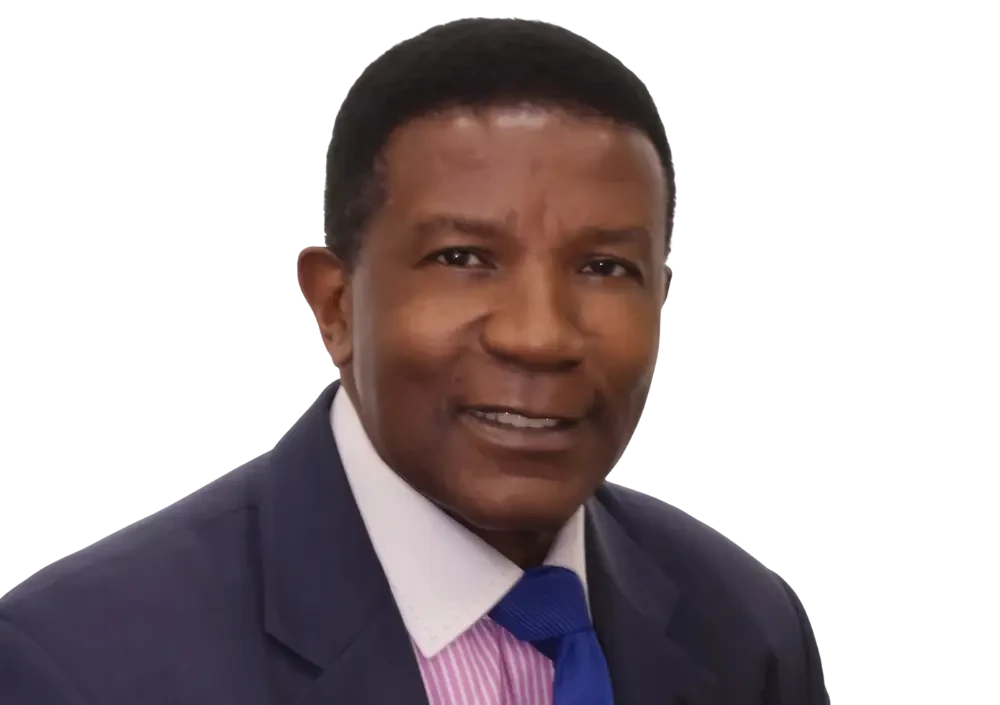
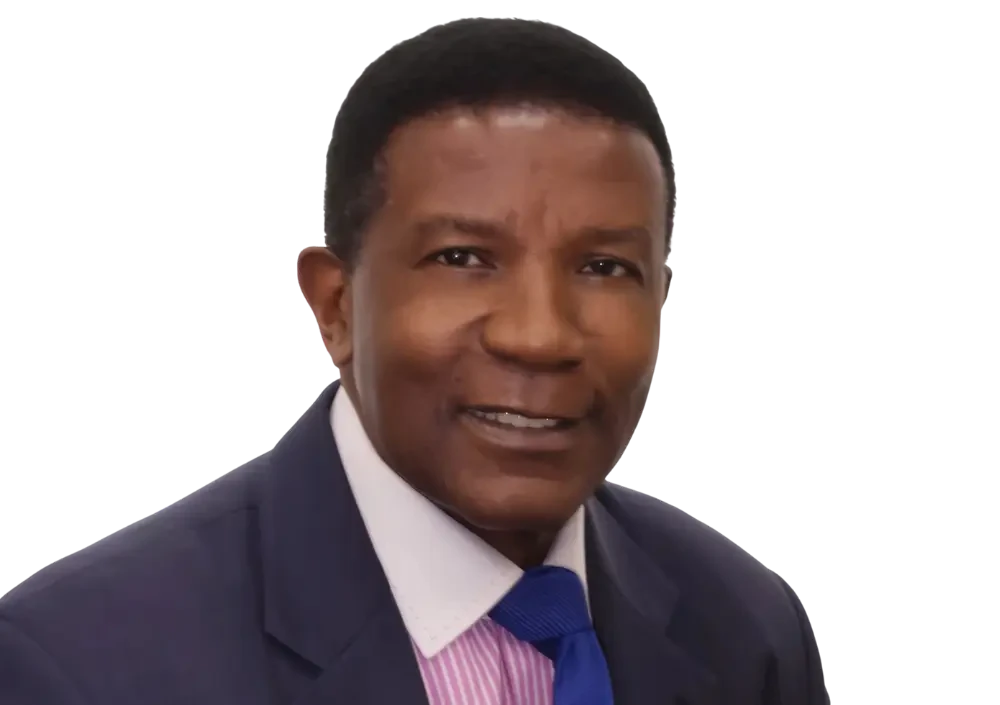
Trevor Williams
Book Trevor for
A plain-English read on rates, inflation and growth, translated into sector terms.
Trevor Williams is a former Chief Economist at Lloyds Bank and now advises businesses on what macroeconomic conditions mean at sector level. He works through monetary policy, inflation and growth without assuming the room has an economics degree, which makes him a reliable choice for a mixed audience of commercial, operational and finance leaders.
Organisers book him for annual kick-offs, board strategy days and client briefings where the ask is a clear read on conditions plus a set of implications people can take back to their own plans. He is comfortable being pressed on specifics, so a fireside or an extended question session gets more out of him than a straight lecture.
Learn more and book Trevor Williams →

Ed Balls
Book Ed for
How economic decisions actually get made inside government, from someone who was in the room.
Ed Balls is an economist and a former UK Shadow Chancellor, and he speaks about the machinery behind economic decisions rather than only the outcomes. He can explain what constrains a Chancellor, how a Treasury reaches the position it does, and how the relationship between government and the Bank of England shapes what is realistically possible.
That perspective suits audiences who deal with government as a customer, a regulator or a funder. Ed also works well as a fireside guest or a panel chair, where the back and forth plays to his television experience.
Learn more and book Ed Balls →

Dr Linda Yueh CBE
Book Linda for
The UK set in its international context, explained for a non-specialist audience.
Dr Linda Yueh CBE is an economist, author, academic and BBC broadcaster who measures UK performance against what is happening elsewhere. She is particularly strong on trade and on the UK's economic relationships with Europe, Asia and the United States, and on the long-run forces sitting underneath the monthly data.
She suits international audiences and any organisation whose supply chain, customer base or investor register sits outside the UK. Her academic background means she is happy to go deep, and her broadcast work means she will not lose the room while she does it.
Learn more and book Dr Linda Yueh CBE →
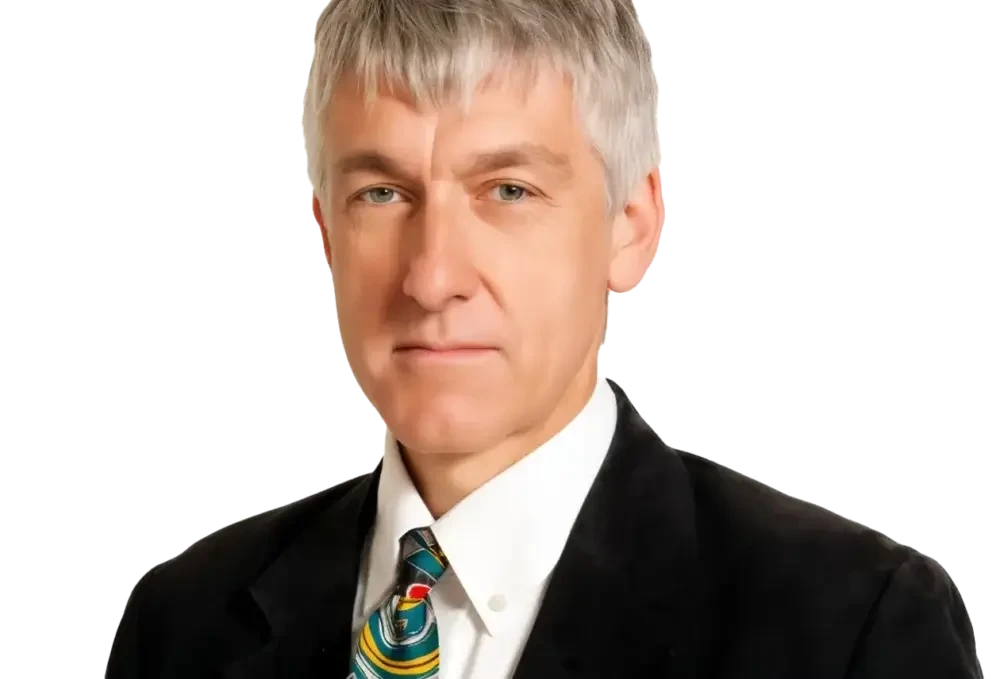
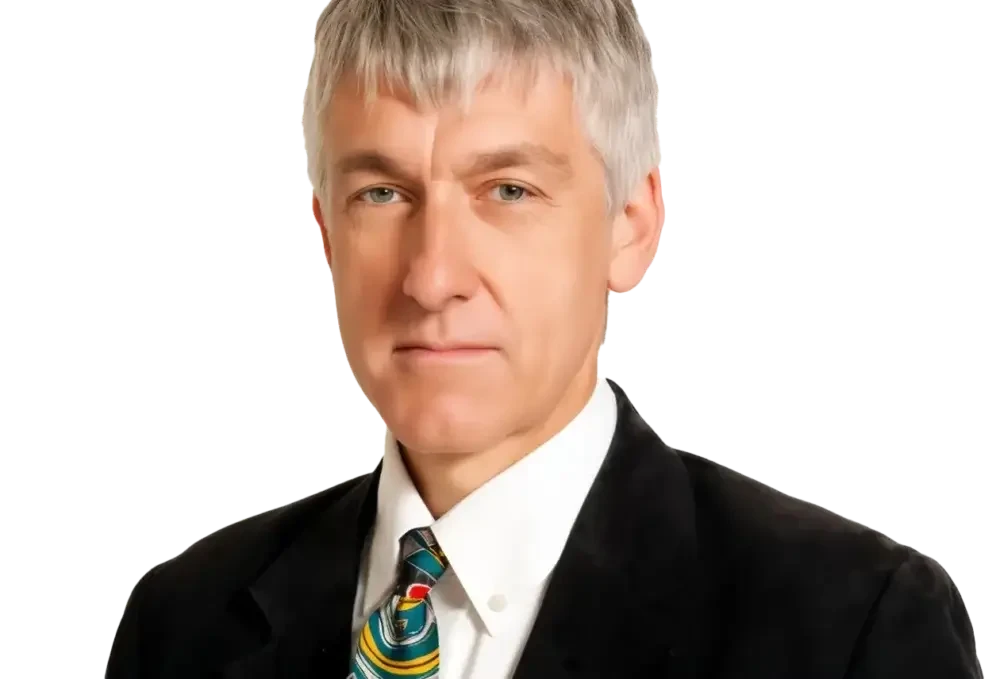
Larry Elliott
Book Larry for
Decades of economics reporting turned into a clear view of what is really driving the numbers.
Larry Elliott has spent decades covering UK economic policy as an economics editor and author. Long exposure to the same institutions gives him a habit of spotting patterns, and he is willing to challenge a consensus view when the evidence behind it looks thin.
He is a strong fit for audiences who have already heard the standard forecast and want someone to interrogate it. Journalistic instincts also make him a natural interviewer, so consider him for chairing a panel of your own executives as well as for a keynote.
Learn more and book Larry Elliott →
More economics speakers worth knowing
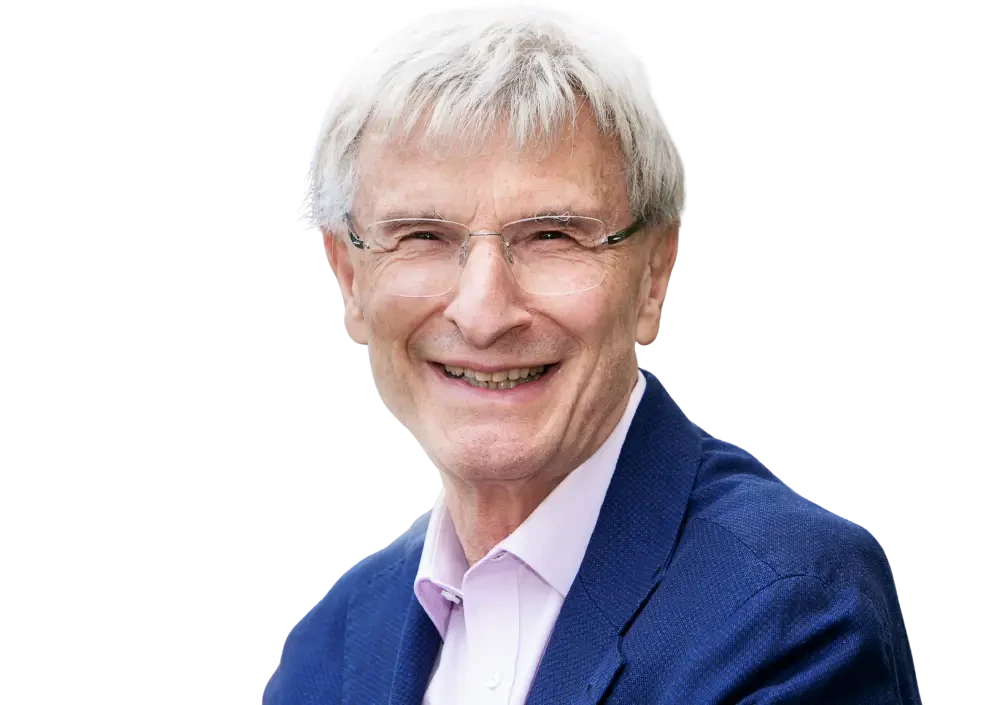
Sir Andrew Likierman
A professor and former dean at London Business School, and an authority on judgement and governance. His work on public sector finance makes him relevant to organisations whose revenue depends on government procurement, infrastructure programmes or regulated markets.
Learn more and book Sir Andrew Likierman →
Anand Menon
Director of UK in a Changing Europe and a professor of European politics. Book him when the question is less about the numbers and more about the political conditions that produce them, particularly around the UK's relationship with Europe.
Learn more and book Anand Menon →Session formats that work
Most economics bookings take one of a handful of shapes, and the format matters as much as the name on the poster.
- Conference keynote, 30 to 45 minutes: a read on conditions plus implications, usually opening the day so later sessions can refer back to it.
- Fireside chat: an interviewer from your own team keeps the content anchored to your sector, and it lets you steer towards the questions your audience actually has.
- Board or executive briefing: a smaller, franker session ahead of a specific decision, often held under the Chatham House rule.
- Panel chair: an economist with broadcast experience will get more out of your internal panellists than a colleague will.
- Scenario session: the speaker sets out two or three plausible paths and the room works through what each would mean for the plan on the table.
Turning economic insight into decisions
The questions that come up most often in these sessions are practical ones:
- Where are interest rates likely to head, and what would change that?
- How do public spending and infrastructure decisions reach our sector?
- What is happening to consumer and business confidence?
- When should we commit to a capital investment?
- Which risks are we carrying that we have not priced?
Typical briefs look like this. A manufacturer wants a view on input costs and trade rules before signing a multi-year supply agreement. A professional services firm wants its partners briefed on client-side pressures ahead of a pricing round, often alongside our risk management and compliance speakers for financial services. A board wants an independent read before committing to a property or plant decision.
If your interest is one sector rather than the whole economy, we cover those too, including the blue economy and the space economy.
Frequently Asked Questions
What does an economics keynote speaker actually cover?
An economics keynote speaker covers current conditions, the forces driving them, and what they mean for the audience in the room. Good speakers agree the emphasis with you in advance, so a room of finance leaders and a room of sales leaders get noticeably different sessions from the same person.
How far ahead should we book an economics keynote speaker?
Book an economics keynote speaker six months ahead to be comfortable; three months is workable, and shorter notice is always worth asking about, since virtual sessions are far easier to place at short notice. Economists with a broadcast profile hold diaries a long way out, and the autumn and new year conference periods fill first.
Can an economics keynote be refreshed close to the event?
Yes, an economics keynote can be refreshed close to the event, and you should ask for it. Economic material dates quickly, so build in a check-in a week or two before the date. That lets the speaker update figures and examples against whatever has happened since the original briefing.
What does it cost to book an economics speaker?
The cost of booking an economics speaker varies with the speaker's profile, the format, the length of the session and whether they need to travel. Tell us the date, the audience and the budget range you are working to, and we will come back with options that fit your brief.
Interested in booking Trevor Williams, Ed Balls or Dr Linda Yueh CBE for your next event? Send us a message and we'll scope the right format and a quote for your audience. Remember, it's always a good time to get a PepTalk!
Moraea Phillips
Read more from Moraea Phillips
Moraea is a Talent and Engagement Manager at PepTalk, with over 10 years of experience in scientific research before moving into events and communications. She obtained her BSc in Spain and her MSc in Marine Biology in South Africa, where she currently lives.
Tell us about your event and we'll match you with the right person for your audience.
Trusted by 5k+ event planners
Similar Articles







Tell us about your event. We'll find the right voice.
Get expert recommendations matched to your brief, your audience, and your budget.