
Available to book
Robin Wigglesworth
Robin Wigglesworth helps organisations make sense of markets, debt, and the global economy. A Financial Times columnist and Alphaville editor, he is a finance, bonds, and passive investing speaker known for turning complex financial history into clear insight.

Robin Wigglesworth is a financial journalist and author who has spent two decades explaining how markets actually work, from Oslo to the newsrooms of London and New York.
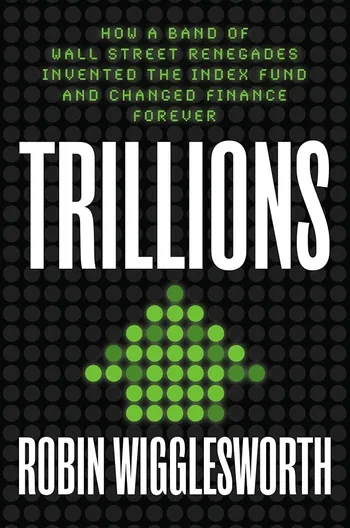
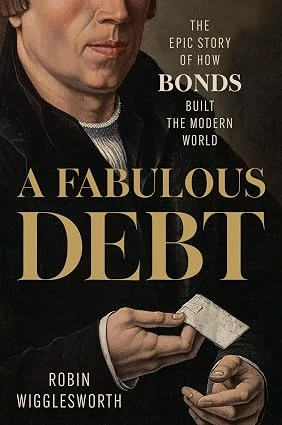
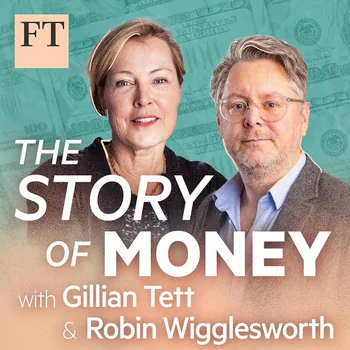
Currently editor of Alphaville, the Financial Times' influential finance blog, Robin has reported for the FT and Bloomberg across Europe, the Middle East and the United States. He co-hosts The Story of Money with Gillian Tett, wrote Trillions, an account of the rise of index funds, and his new book, A Fabulous Debt, traces the bond market from medieval Venice to today.
Robin turns the mechanics of finance, from central bank balance sheets to algorithmic trading, into stories audiences can follow and use in their own decisions. Drawing on decades spent inside newsrooms and alongside the investors and policymakers who shape markets, he explains not just what is happening in the global economy but why it matters and what tends to happen next.
Audiences leave with a clearer read on where financial risk is building, whether in sovereign debt, private capital, or passive investing, and a more precise historical frame for judging which crises are genuine turning points rather than passing scares in markets they will keep watching.
Book Robin to bring clarity and context to the financial stories shaping your industry.
Topics, sessions and talks
Robin Wigglesworth surveys a global economy facing trouble on multiple fronts at once: a slowing Chinese economy, a US expansion propped up by debt-fuelled AI investment, a fragile Japanese bond market, sluggish growth in Europe and mounting debt risk across large developing countries. He places these threats in historical context, showing how they might interact in unpredictable ways, while making the case that the global economy remains more resilient and adaptable than most assume.
Robin Wigglesworth traces how the humble index fund, born in the 1970s as a fusion of Wall Street and the computer age, grew slowly for decades before exploding into an industry that now manages tens of trillions of dollars and rivals hedge funds, private equity and venture capital combined. He examines how this growth has reshaped markets and companies, and weighs the merits of the backlash now building against it.
Robin Wigglesworth charts the rise of the bond market from its origins in twelfth-century Venice through the Netherlands, Great Britain and the United States, to its current position as the largest and most consequential corner of global finance, one that has overtaken banks as the dominant engine of modern capitalism. He explores the thorny questions this raises for politicians, financiers and regulators who have yet to fully grapple with them.
Robin Wigglesworth explains how today's markets are increasingly shaped not by Wall Street's traditional dealmakers but by scientists and engineers from MIT and Stanford, building hedge funds, mutual funds and trading firms around digital data and systematic, algorithmic strategies. He shows how this shift has industrialised what was once a more artisanal craft, and considers the growing risk that ever more automated capital poses to financial stability as markets move faster than regulators can react.
Robin Wigglesworth draws on the surprisingly colourful history of financial crises, from panics and bank runs to sovereign defaults, and the many ways they have reshaped the world in their wake. He also maps the fault lines running through today's global economy, from fragile bond markets to debt-laden governments, and weighs which are most likely to trigger the next serious shock, informed by years spent reporting from inside newsrooms during past crises.
Featured Projects

often considered together

Andy Verity
Economics
Global Economy
Global Issues

Robert Peston
Politics
Artificial Intelligence
Government

Ron Insana
Economics
Global Economy
Cryptocurrency

frequently asked questions
Something we've not covered here?
Robin Wigglesworth structures his sessions as historical narratives, tracing financial phenomena — index funds, bond markets, economic instability — from their origins through to present-day consequences, grounding current risk in long-run precedent drawn from his books and two decades of FT reporting.
Robin Wigglesworth speaks on the global economic polycrisis, the rise and market impact of passive investing, and the history and modern dominance of the bond market. He is editor of Alphaville at the Financial Times, author of Trillions and A Fabulous Debt, and co-host of The Story of Money with Gillian Tett.
No, PepTalk doesn't charge a booking fee. You pay the speaker's fee plus any travel and expenses, which PepTalk confirms upfront in your quote. The shortlist, contracting and event-day logistics are included. For repeat or multi-event bookings, PepTalk can agree preferential rates with your procurement team.
PepTalk sends a shortlist of matched speakers within 24 hours, each with a profile, a fee and a recommendation on the strongest fit. The more you share about your date, audience, format, objectives and budget, the closer the match. Once you choose, PepTalk handles the contract, travel and logistics through to event day.
The typical fee range on a PepTalk speaker profile is a guide to what that speaker usually costs for an in-person event in their home market, shown in their local currency. The final fee depends on format, location, date and session length. Virtual and shorter sessions usually cost less, and international travel and peak dates cost more. PepTalk confirms the exact fee in your currency once it has your brief.
No. PepTalk represents 15,000+ speakers, hosts, comedians and entertainers, some booked directly and others through their agents and agencies worldwide. The process is the same for all of them: PepTalk checks availability, negotiates the fee and manages the contract and logistics.
Book a speaker three to six months before your event. Allow 12 months for large conferences, peak-season dates or a specific in-demand name. PepTalk also fills last-minute and replacement bookings, often within days, so get in touch as soon as you have a date, even at short notice.

