International Women's Day Themes, Year by Year
Two organisations set an International Women's Day theme each year. Here's the difference, every theme since 2021, and how to mark the day.
H2 link
Tell us about your event and we'll match you with the right person for your audience.
Trusted by 3k+ event planners
Recommended experts

The International Women's Day theme is set twice over. Each year UN Women publishes an official theme for the 8 March observance, and the separate internationalwomensday.com campaign publishes its own. Both circulate widely, both get quoted as "the" theme, and the two almost never say the same thing.
For 2026, the UN Women theme was "Rights. Justice. Action. For ALL Women and Girls" and the campaign theme was "Give To Gain". If you are planning an event and have found conflicting answers, that is why.
Why are there two International Women's Day themes?
One comes from the United Nations, the other from an independent campaign platform. UN Women sets the theme for the official UN observance, aligned each year with the priority theme of the Commission on the Status of Women. internationalwomensday.com runs a separate global campaign with its own annual theme and hashtag, aimed at the organisations and communities marking the day.
The two do different jobs. The UN theme is policy-facing and rights-based, and it feeds the CSW agenda in New York each March. The campaign theme is participation-facing, built for workplaces, schools and community groups that want a hashtag and a set of assets to run with.
Neither is wrong. Most large organisations quote the UN theme in formal communications and use the campaign hashtag on social. Some pick one and ignore the other entirely.
What is the International Women's Day theme for 2027?
Neither theme for 2027 has been announced yet. UN Women usually publishes its theme in December or January, in step with the Commission on the Status of Women agenda. The internationalwomensday.com campaign theme tends to land a little earlier, in the autumn before the day.
Treat what turns up in search in the meantime with care. Several sites are already listing "Give to Gain" as the 2027 theme. It was the 2026 campaign theme, and internationalwomensday.com describes it in the past tense on its own theme page.
International Women's Day themes, year by year
Both themes for each of the last six years, taken from UN Women and internationalwomensday.com directly.
- 2026
UN Women: Rights. Justice. Action. For ALL Women and Girls
Campaign: Give To Gain (#GiveToGain) - 2025
UN Women: For ALL women and girls: Rights. Equality. Empowerment.
Campaign: Accelerate Action (#AccelerateAction) - 2024
UN Women: Invest in women: Accelerate progress
Campaign: Inspire Inclusion (#InspireInclusion) - 2023
UN Women: DigitALL: Innovation and technology for gender equality
Campaign: Embrace Equity (#EmbraceEquity) - 2022
UN Women: Gender equality today for a sustainable tomorrow
Campaign: Break the Bias (#BreakTheBias) - 2021
UN Women: Women in leadership: Achieving an equal future in a COVID-19 world
Campaign: Choose to Challenge (#ChooseToChallenge)
A note on the lists you will find elsewhere. Most year-by-year roundups blend the two sources into one column, which is how "Invest in Women" ends up labelled as the 2025 theme when it was the UN theme for 2024. If you are quoting a theme in a programme or a press release, check which body set it.
When is International Women's Day?
International Women's Day falls on 8 March every year, whatever the day of the week. In 2027 that is Monday 8 March, and in 2028 it is Wednesday 8 March. The UN's official commemoration is held at UN Headquarters in New York on or near the date, immediately before the Commission on the Status of Women opens.
Most corporate events run in the week around it rather than on the day itself, particularly in years when 8 March lands on a weekend. Speaker availability tightens from about November for the following March, so the diary conversation starts earlier than most teams expect.
Why International Women's Day still matters
The gap the day exists to close is measurable, and it is not closing quickly. UN Women reports that women hold only 64 per cent of the legal rights that men hold worldwide, and that at the current pace it will take 286 years to close the remaining legal protection gaps. No country has yet closed them.
For an internal audience, that is the difference between a session that reads as a calendar obligation and one that gives people something concrete to act on. The strongest IWD programmes tend to pair a named commitment with a speaker who can make the case for it.
How do organisations mark International Women's Day?
Most run one anchor moment and a set of smaller activities around it. The anchor is usually an all-staff session with an external speaker, a panel, or a fireside conversation with a senior woman in the business. The activities around it carry the rest: an ERG-led lunch, a mentoring sign-up, a fundraising push, or the publication of pay gap and progression data.
A few things separate the ones that land from the ones that do not:
- Pick a theme and hold it. Either the UN theme, the campaign theme, or one of your own that connects to something already in your people strategy.
- Give the day a follow-on. A single March session with nothing behind it reads as a box tick to the people it is aimed at.
- Brief the speaker properly. The best sessions are built on what your data actually shows, not a generic keynote dropped into a slot.
- Book early. March is the busiest month of the year for this category of speaker.
Which speakers suit an International Women's Day event?
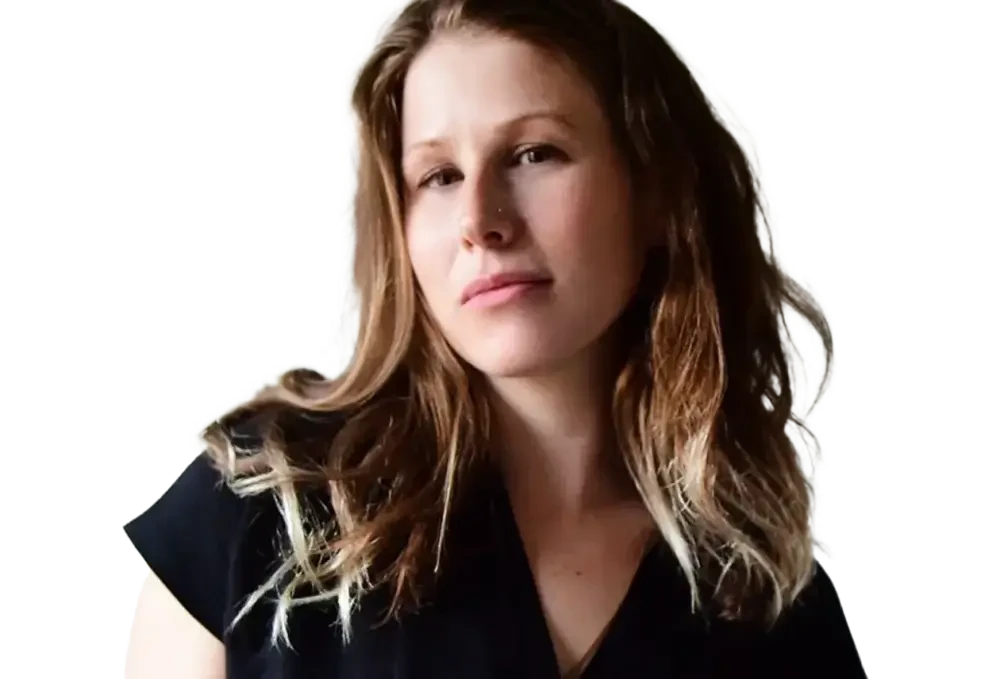
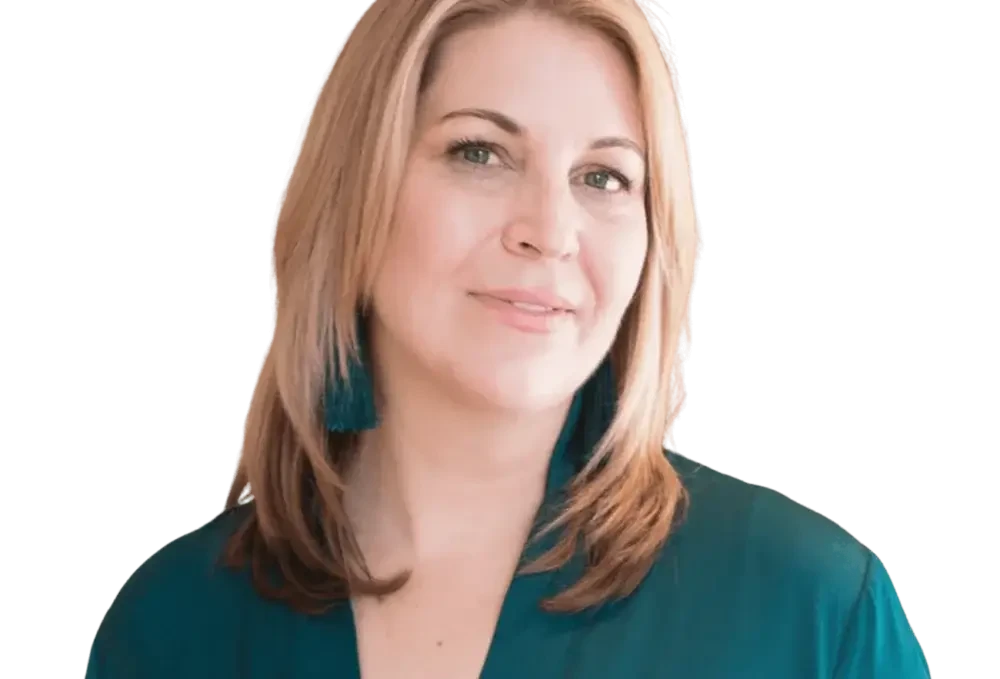
It depends on which part of the subject you want to open up. Three from the PepTalk roster, working from different angles:
Caroline Criado Perez OBE is a feminist campaigner, author and broadcaster known for exposing the data gap in a world designed around men. She works well for audiences who respond to evidence, and for organisations whose IWD moment is tied to product, research or service design rather than HR.
Rhea Mazumdar Singhal founded the sustainable packaging business Ecoware, building a model that puts sustainability and women's employment side by side. A strong fit where the IWD theme connects to ESG, supply chain or entrepreneurship.
Tamara Gillan is an entrepreneur and women's empowerment advocate, and a good choice for events built around career progression, networks and commercial confidence.
Beyond those three, browse the full International Women's Day speakers and female empowerment speakers rosters, or the gender equality topic page.
Which hashtags are used for International Women's Day?
Three run every year regardless of theme: #InternationalWomensDay, #IWD, and the year-stamped version (#IWD2027 for 2027). The campaign hashtag changes annually and is the one that shifts, most recently #GiveToGain for 2026. #GenderEquality and #WomenInLeadership carry steady volume year-round.
The UN theme does not come with an official hashtag in the same way, so most organisations pair the campaign hashtag with #InternationalWomensDay and leave it there.
Frequently Asked Questions
Who decides the International Women's Day theme?
Two separate bodies do. UN Women sets the theme for the official United Nations observance, aligned with the priority theme of the Commission on the Status of Women. internationalwomensday.com, an independent campaign platform, sets its own annual theme and hashtag. Both are published each year and both are widely used.
Which one is the official theme?
The UN Women theme is the official United Nations theme. The internationalwomensday.com theme is the official theme of that campaign, not of the UN. Neither organisation claims authority over the other, and organisations are free to use either, both, or a theme of their own.
When is the next theme announced?
The internationalwomensday.com campaign theme usually appears in the autumn before the day. UN Women typically announces in December or January. If you need a theme locked in before then, use one of your own and align it later.
Do we have to use the official theme for our event?
No. internationalwomensday.com states explicitly that all IWD activity is valid and that groups can mark the day in whatever way suits their context. Many organisations run a theme tied to their own diversity or progression targets and reference the global themes alongside it.
How far ahead should we book a speaker for International Women's Day?
Four to six months. March is the single busiest month for speakers in this category, and the best-known names are typically committed by December for the following year. Booking in the autumn gives you a real choice rather than whoever is left.
What to read next
- Browse our roundup of International Women's Day speakers for profiles and session ideas.
- See the top women's empowerment speakers for corporate events, covering leadership, STEM and inclusion.
- For a tech-focused IWD programme, look at inspiring women tech leaders.
💡 Would you like to mark International Women's Day with an expert speaker? Let us know, and we'll find the perfect PepTalk expert for your organisation. Send us a message and we'll set up a free strategy call. Remember, it's always a good time to get a PepTalk!
Team PepTalk
Read more from Team PepTalk
At PepTalk, we harness the power of human intelligence to inspire and transform your people, insights, and events. Whether you're looking for expert speakers, tailored learning experiences, or unforgettable corporate events, our team is here to help. Get in touch with us today to find out more.
Tell us about your event and we'll match you with the right person for your audience.
Trusted by 5k+ event planners
Similar Articles


Tell us about your event. We'll find the right voice.
Get expert recommendations matched to your brief, your audience, and your budget.