
Available to book
Bonnie Schneider
Transform sustainability strategies with Bonnie Schneider, speaker, climate expert and sustainability analyst. Bonnie works with corporations to navigate climate risk and environmental responsibility, delivering research-backed insights recognized by major networks including NBC, CNN and The Weather Channel.

Bonnie Schneider is a sustainability analyst and former national television meteorologist with a career spanning major networks, including NBC News, CNN, HLN, and The Weather Channel. She has provided expert analysis on extreme weather events, climate change, and corporate sustainability, engaging global audiences through broadcast media, digital platforms, and published research. Bonnie's career began in meteorology, where she reported on major weather events such as Hurricane Sandy and the 2005 Atlantic hurricane season. She has covered extreme weather for networks including Bloomberg TV and Yahoo Finance, providing real-time analysis on hurricanes, cyclones, and environmental disasters.
Her expertise in weather forecasting and climate science earned her the American Meteorological Society's Seal of Approval, recognizing excellence in both technical knowledge and communication. Building on her background in meteorology, Bonnie expanded her focus to sustainability and corporate climate strategy. As a sustainability analyst for Techstrong Group, she delivers research and insights on digital transformation and environmental responsibility. Her report, Decisions That Define: Executive Strategies and Innovations Driving Corporate Sustainability, is based on interviews with over 100 senior technology leaders and has gained significant traction among industry decision-makers.
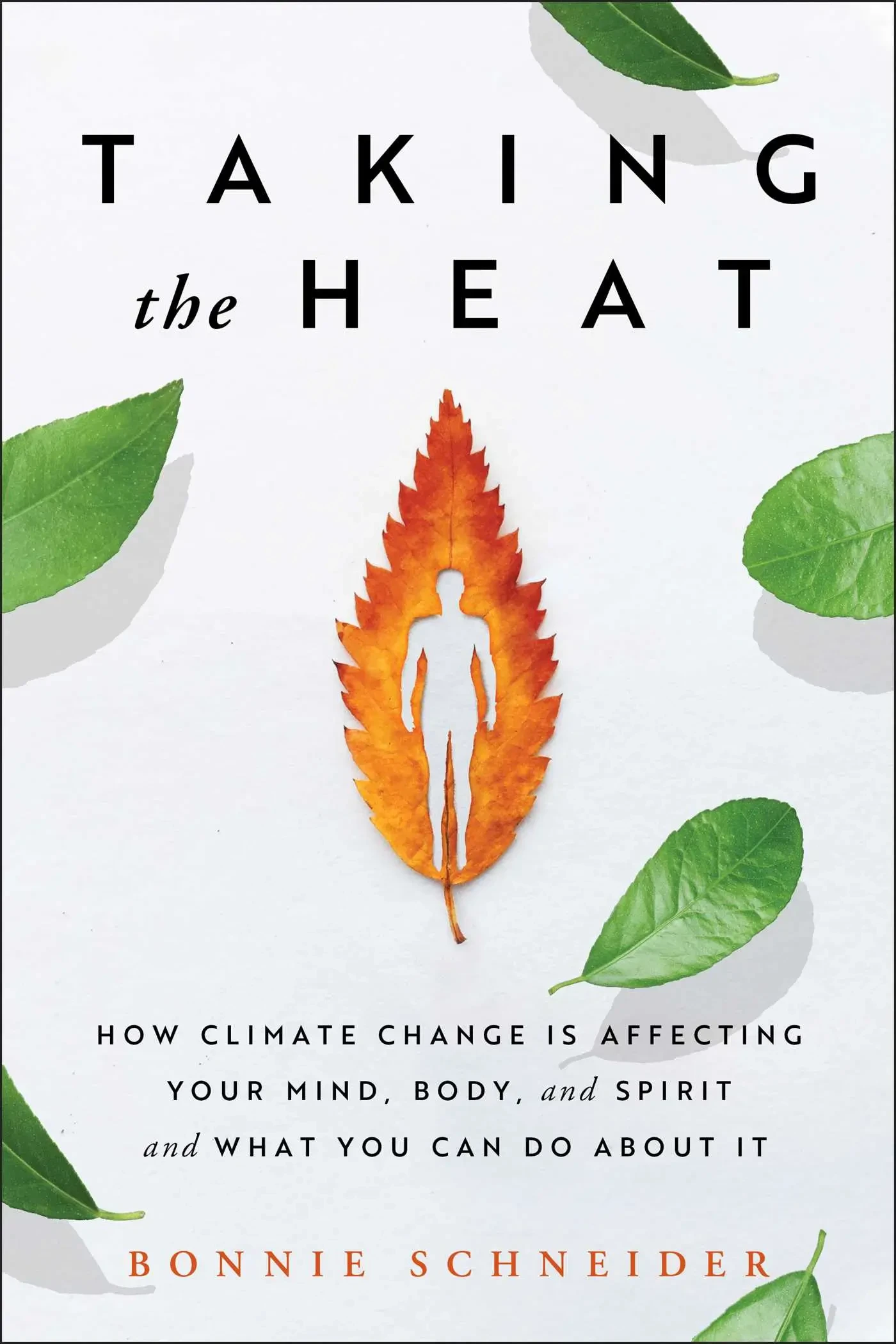
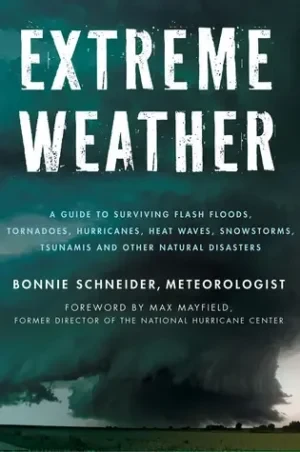
She is also the creator of EcoTechInsights.com, a platform featuring expert analysis and interviews with leaders in sustainability and emerging technologies. Bonnie is the author of Taking the Heat: How Climate Change is Affecting Your Mind, Body & Spirit, and What You Can Do About It, published by Simon & Schuster. The book explores the intersection of climate change and health, combining science-backed research with practical solutions. She previously authored Extreme Weather, published by Palgrave Macmillan, which examines the increasing frequency and intensity of severe weather events. A graduate of Boston University, Bonnie has been recognized for her contributions to meteorology and journalism, including an Associated Press Award for "Best Interview." She maintains an active digital presence, engaging with a large audience on social media to share insights on climate risk, sustainability, and technological innovation.
Topics, sessions and talks
As described in the APA: “Good mental health means emotional, social and psychological well-being, healthy relationships, effective functioning and productive activities, and an ability to adapt to change and cope with adversity. One approach that has been shown to foster mental well-being is focusing on gratitude. Many studies have found an association between being more grateful and a greater sense of overall well-being. Gratitude is demonstrated by strong connections with positive emotions and feelings such as being hopeful, inspired, forgiving, and excited. Gratitude refers to appreciating what is valuable and meaningful to oneself…”
Climate grief is a relatively new term that’s quickly seeping into broader circles of conversation. In 2017, the American Psychological Association (APA) released a report, “Mental Health and Our Changing Climate,” which outlined the psychological trauma caused by natural disasters, along with the significant mental health impacts from longer-term climate change. Connecting with nature, finding like-minded support groups and getting involved in active climate causes are some ways to cope with climate grief.
A whole-brain analysis revealed that time spent outdoors was positively associated with gray matter volume in the right dorsolateral prefrontal cortex and positive affect, also after controlling for physical activity, fluid intake, free time, and hours of sunshine. According to research, an outside walk can stimulate the health of brain cells, the growth of new blood vessels in the brain, and even the abundance and survival of new brain cells. There are techniques to implore on how to reap the most brain health benefits from walking outside and connecting in nature. This can be done before or after work or on a lunch break.
If you ever feel that 3pm after lunch productivity slump, there may be a more natural and healthy way to get an energy boost that doesn’t involve coffee or cookies. Connecting with sunlight each morning isn’t just the key to starting the day, it can also help improve afternoon energy levels and regulate sleep. This course will walk you through how circadian rhythms affect various biological processes and how you can harness its power for better productivity.
With time changes, shorter days, and inclement weather driving people indoors, seasonal depression or the “winter blues” is four times more common in women than men. Reduced winter sunlight and dreary weather from November through February can lead to a more extreme version of this sadness called Seasonal Affective Disorder (SAD). Five percent of adults endure SAD annually. More than 50% of the human population lives in the northern temperate zone between the Tropic of Cancer and the arctic region to the north. There’s also a connection to climate change: while summers and winters may be warmer, more moisture in the atmosphere due to greenhouse gases means more intense rain and snow in the winter. That may equate to less availability to get outdoors during the colder months.
Featured Projects

often considered together

Tamsin Edwards
Climate Change
CSR
Sustainability

Lucy Siegle
Climate Change
Sustainability
Innovation

Benita Matofska
Effective Leadership
Future Trends
Sustainability

frequently asked questions
Something we've not covered here?
To book Bonnie Schneider, email bonnie.schneider@getapeptalk.com or call PepTalk on +44 20 3835 2929 (UK) or +1 737 888 5112 (US), and one of our speaker agents will contact you within hours to confirm Bonnie's availability and speaking fee. If you can, please include your budget upfront – it helps us fast-track your request. It’s also helpful to know the date, format (virtual or in-person), location, and about your audience.
No. PepTalk adds no booking fee, so you pay the speaker's fee and nothing beyond it. The service, from shortlist through to contracts and event-day logistics, is included. For repeat or multi-event bookings, PepTalk can agree preferential rates with your procurement team.
Share your event date, audience, format, objectives and budget, and PepTalk sends a hand-picked shortlist within 24 hours. Each suggestion comes with a profile, a fee and a recommendation on the strongest fit. Once you choose, PepTalk handles contracts, travel and logistics through to event day.
The typical fee range is the speaker's standard in-person fee in their home market, shown in their local currency. It moves with format, location, date and session length: virtual sessions and shorter slots usually cost less, while international travel and peak dates cost more. Send your brief to PepTalk and the team will confirm the exact fee in your currency.
Not all of them, and it makes no difference to your booking. PepTalk's network of 15,000+ speakers covers talent the team works with directly alongside speakers represented by agents and agencies worldwide. PepTalk approaches the speaker, negotiates the fee and handles contracting either way.
Three to six months ahead is comfortable for most events, and 12 months is better for large conferences, peak-season dates or one specific in-demand speaker. Shorter timelines are workable, and PepTalk regularly fills last-minute and replacement bookings within days. Availability is the constraint, so get in touch as soon as you have a date.
Get the right person
Tell us what you’re working on and we’ll match you with the talent your audience won’t stop talking about.

