
Available to book
David Oromith
David Oromith helps organisations address stress, burnout, and emotional resilience by combining Buddhist psychology with practical wellbeing tools. A mental health speaker and workplace wellbeing expert, he is co-founder of Samadhi wellbeing charity and author of two books on mindful living.

David Oromith is a Welsh Buddhist teacher, author, and speaker who turns contemplative psychology into practical tools for managing stress and burnout.
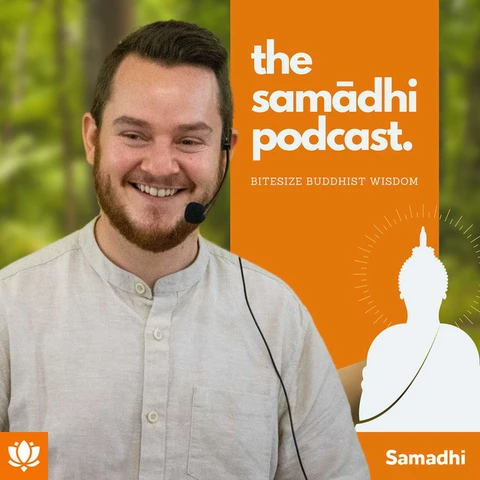
Authorised to teach by Buddhist scholar Dr B. Alan Wallace, David is co-founder of Samadhi, a UK Buddhist wellbeing charity, and author of A Practical Guide to Mindful Living and Calm Mind, Open Heart. He hosts the Samadhi Podcast and has led retreats across the UK, Spain, Gibraltar, and the United States.
David began his career at eighteen in NHS mental health services, an experience that showed him a system stretched too thin to reach the root causes of suffering. His own recovery from severe depression, achieved through meditation and Eastern psychology rather than the system he worked in, now shapes every session he leads.
Audiences leave David's sessions with a clearer understanding of what drives stress and burnout, practical mind-training methods drawn from Tibetan Buddhist psychology that apply directly to modern pressures, and a more grounded relationship with difficult emotions such as anxiety and anger. His sessions draw on both contemplative tradition and current wellbeing research.
David speaks regularly at schools, colleges, universities, and festivals, reaching audiences with no background in meditation as readily as those with years of practice. Book David Oromith for a speaker whose teaching is honest, warm, and immediately applicable.
Topics, sessions and talks
Circumstances rarely determine how life feels; the mind's response to them does. David Oromith brings together Buddhist teaching and Western psychology to examine that response, showing how a shift in perspective can loosen the grip of stress and hardship on daily life. He speaks to both newcomers and long-time meditators, using clear, everyday language. The session gives people a felt sense of choice in how they meet difficulty, alongside habits they can start practising that day.
Pressure builds quietly long before it becomes burnout, and most people miss the early warning signs. David Oromith unpacks what actually happens beneath the surface, tracing stress through to full burnout and identifying where it can still be interrupted. Drawing on Buddhist psychology alongside current wellbeing research, he offers a way of thinking about daily pressure that goes beyond quick fixes. The session leaves people with a clearer view of their own patterns and where to intervene.
A centuries-old Tibetan practice called lojong, or mind training, offers a surprisingly modern answer to everyday friction: the delayed train, the difficult email, the argument that will not leave one's head. David Oromith translates these methods, which overlap closely with cognitive reframing and compassion research, into approaches that fit around a busy week rather than adding to it. Open to complete beginners and long-term practitioners alike, the session leaves people with a steadier way of meeting whatever the day brings.
Anger, anxiety, and sadness often take over before anyone consciously registers them arriving. David Oromith looks at how a moment of awareness can interrupt that pattern, giving people more choice in how they respond rather than being swept along by the feeling. He treats emotional balance as a skill built through practice rather than a trait some people simply have. Combining short teaching segments with guided meditation and open discussion, the session works for both first-timers and regular practitioners.
Most people would never speak to a friend the way they speak to themselves after a mistake. David Oromith examines that gap and what it costs, drawing on Buddhist teaching and contemporary psychology to explain where the inner critic originates and why it persists. Self-compassion, he argues, is a practical skill rather than a soft indulgence, one that changes how setbacks are handled day to day. The session offers a starting point for anyone ready to treat themselves with patience.
Testimonials
Featured Projects



often considered together

Steph Peltier
Happiness
Mental Health
Workplace Wellbeing

Pandit Dasa
Workplace Culture
Workplace Wellbeing
Growth Mindset

Emma Mills
Mental Health
Stress Management
Creativity

frequently asked questions
Something we've not covered here?
To book David Oromith, email david.oromith@getapeptalk.com or call PepTalk on +44 20 3835 2929 (UK) or +1 737 888 5112 (US), and one of our speaker agents will contact you within hours to confirm David's availability and speaking fee. If you can, please include your budget upfront – it helps us fast-track your request. It’s also helpful to know the date, format (virtual or in-person), location, and about your audience.
No. PepTalk adds no booking fee, so you pay the speaker's fee and nothing beyond it. The service, from shortlist through to contracts and event-day logistics, is included. For repeat or multi-event bookings, PepTalk can agree preferential rates with your procurement team.
Share your event date, audience, format, objectives and budget, and PepTalk sends a hand-picked shortlist within 24 hours. Each suggestion comes with a profile, a fee and a recommendation on the strongest fit. Once you choose, PepTalk handles contracts, travel and logistics through to event day.
The typical fee range is the speaker's standard in-person fee in their home market, shown in their local currency. It moves with format, location, date and session length: virtual sessions and shorter slots usually cost less, while international travel and peak dates cost more. Send your brief to PepTalk and the team will confirm the exact fee in your currency.
Not all of them, and it makes no difference to your booking. PepTalk's network of 15,000+ speakers covers talent the team works with directly alongside speakers represented by agents and agencies worldwide. PepTalk approaches the speaker, negotiates the fee and handles contracting either way.
Three to six months ahead is comfortable for most events, and 12 months is better for large conferences, peak-season dates or one specific in-demand speaker. Shorter timelines are workable, and PepTalk regularly fills last-minute and replacement bookings within days. Availability is the constraint, so get in touch as soon as you have a date.
Get the right person
Tell us what you’re working on and we’ll match you with the talent your audience won’t stop talking about.

