Plans Change: Why Adaptability Beats Preparation
Speakers The Tempest Two capsized 10 days into an Atlantic row. Tom Caulfield and James Whittle on why adaptability outperforms plans.

H2 link
Tell us about your event and we'll match you with the right person for your audience.
Trusted by 3k+ event planners
Recommended experts



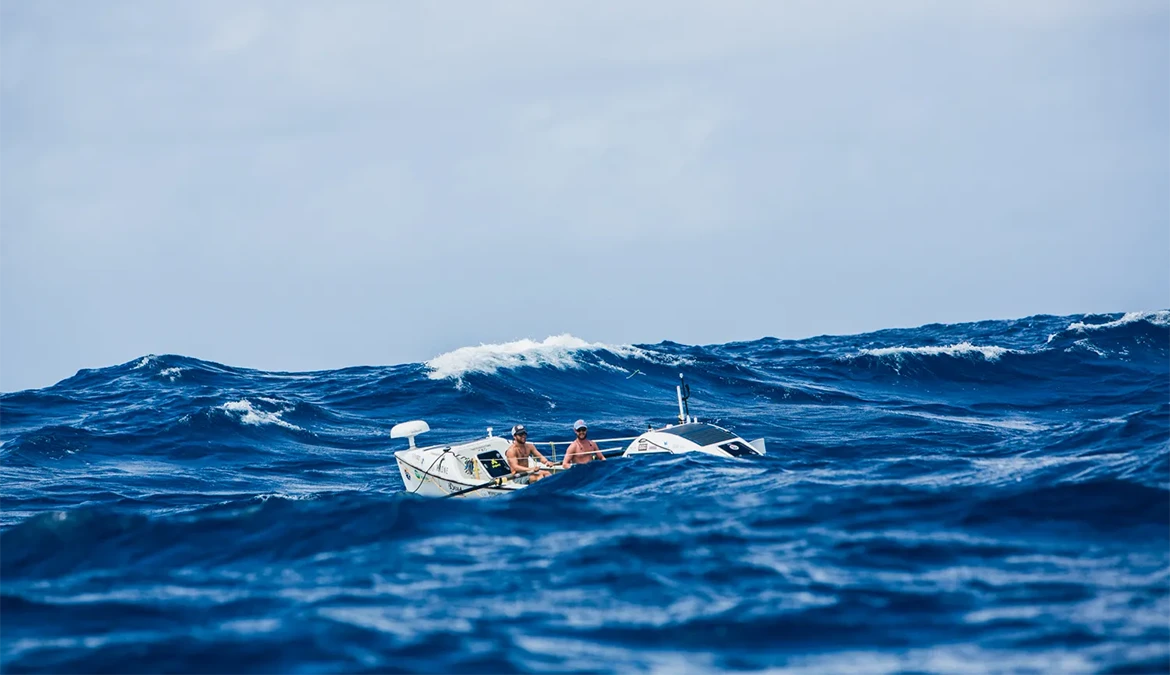
Adaptability is the skill that decides how a team performs when the plan stops working. The Tempest Two, aka Tom Caulfield and James Whittle, learned that at 5am in five metre swell, ten days out of Gran Canaria, when their ocean rowing boat capsized in the middle of the Atlantic. Here they explain why preparation and adaptability do different jobs, and why organisations need to train for both.
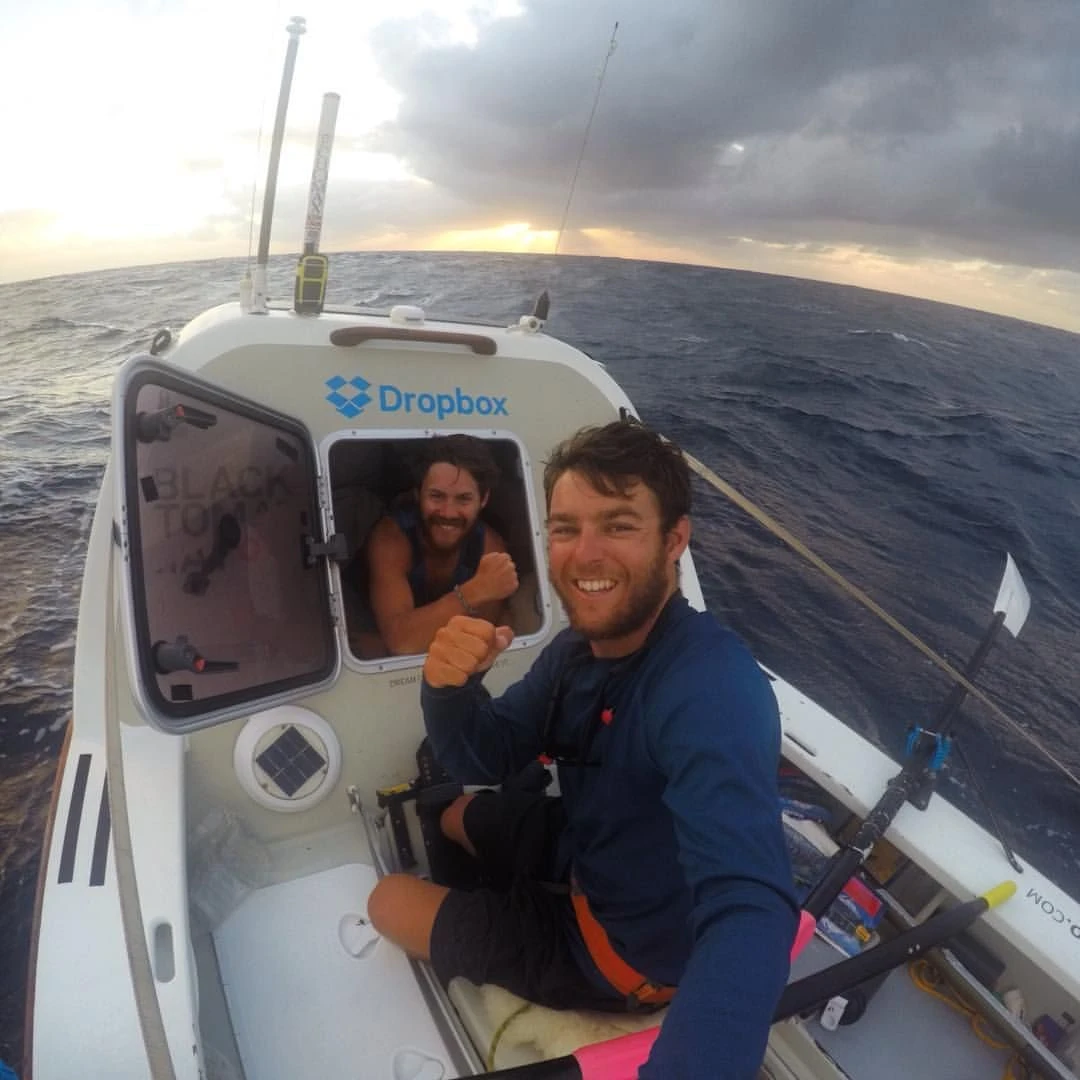
We spent 18 months preparing to row across the Atlantic, doing everything we could to ensure a safe, fast crossing. Ten days after leaving the port in Gran Canaria, our boat capsized. Genuine nightmare material.
Before we set off we had trained, planned and somehow completed all the qualifications you apparently need to make the crossing, including the coveted "survival at sea" course. That particular course took place in Hackney Leisure Centre, which tells you something about the quality of the qualification and the associated "governing" body.
When the boat went over, the certificate was nowhere to be seen. Very little of what we had prepared for matched the situation we were now in. Our plan for the row floated away, along with our spare oars and the 10 litres of drinking water we had ready. We had no idea what to do in that situation in real life, and no time to learn. We had to work out what mattered in the moment, make decisions under an enormous amount of pressure, and act on them. A couple of hours later, we were laughing about it.
One thing that probably helped us was being complete novices. We weren't professional rowers, climbers or sailors. We were used to experiences where we didn't have all the answers, so we had no attachment to how things were supposed to work. We had to learn quickly, stay open, and respond to what was actually happening in front of us. We became experienced at being inexperienced, and that turns out to be very useful when everything is changing.
What's the difference between preparation and adaptability?
Preparation is built on what you expect to happen. Adaptability is what you use when something else happens. Preparation gives you knowledge, skills, confidence and a plan. Adaptability is the system that takes over when Plan A goes up in smoke, which, most of the time, is exactly what Plan A does.
Preparation is key. It helps you anticipate problems and gives you a route to follow. But it's only ever as good as your expectations. The capsize was the clearest lesson either of us has had in the gap between the two, and it's become the thing we speak about most, particularly this year, as leaders and teams face constant uncertainty.
"Planning prepares you for the expected. Adaptability prepares you for reality."— The Tempest Two
Why do high-performing teams get caught out by change?
Teams get caught out because the systems that made them efficient are the same systems that slow them down when conditions shift. Detailed plans, repeatable processes and predictable ways of working produce excellent results in familiar conditions. When the environment changes, that same standardisation becomes the thing holding people back.
Those systems are not to be ignored. They're the foundation, and they work brilliantly in good conditions. The risk is that when you focus hard enough on standardisation, you can almost train adaptability out of people. Then the plan stops working, and adaptability is the thing you need far more than the plan that's now in flames.
It's easy to be a high performer when conditions are standard and you're cruising. The moment things change, a lack of certainty has a way of making high performers look very average, very quickly.
Why is adaptability the performance skill right now?
Adaptability matters now because the environment teams operate in is getting less predictable, not more. AI is changing roles and workflows faster than most organisations can redesign them. Markets shift quickly. Strategies change halfway through the year. Teams get restructured, new competitors appear, and leaders are asked to make decisions without all the information they'd want.
In that environment, you can't communicate uncertainty away. People need context. They need to know where the organisation is going, why decisions are being made and what's expected of them. But there comes a point where another town hall, another slide deck or another detailed change plan can't provide the thing people actually want, which is certainty. Sometimes that certainty doesn't exist. Even AI models don't know what the next AI model will be, so how are the rest of us supposed to?
That's where adaptability becomes a performance skill rather than a nice-to-have. The question isn't only "do our people understand the plan?" It's "what happens to performance when things change?" Answering that second question well takes a very different skillset to following a well-designed process.
How do you train adaptability in a team?
You train adaptability by putting people in situations where the plan doesn't hold and they have to decide anyway. Reading about it won't build it. It behaves like a muscle, so it responds to repetition under load: scenarios with incomplete information, decisions made at pace, and honest reviews of what people did when the ground moved.
This is what we think organisations should be training for. Not just how to execute when things go to plan, but how to think, decide and act when they don't. Plan for the best, then prepare for reality. Build the processes, systems and skills that create consistency, then train your people to adapt when reality hits.
Adaptability is the difference between good and great, and today, things are changing very fast and very frequently. Turn uncertainty into your advantage.
Frequently Asked Questions
What is adaptability in the workplace?
Adaptability in the workplace is the ability to keep performing when conditions change and the original plan no longer applies. It covers letting go of what you expected, reading the situation in front of you, and making decisions at pace with incomplete information.
Is adaptability more important than planning?
Adaptability and planning both matter because they do different jobs. Planning gives teams knowledge, confidence and a route to follow in expected conditions, and adaptability carries performance when those conditions change. Organisations get the most from building the plan and then training people to move beyond it.
Can adaptability be taught?
Yes, adaptability can be taught through practice. Teams build it by working through scenarios where information is missing and the plan breaks, then reviewing the decisions they made under that pressure.
Who are The Tempest Two?
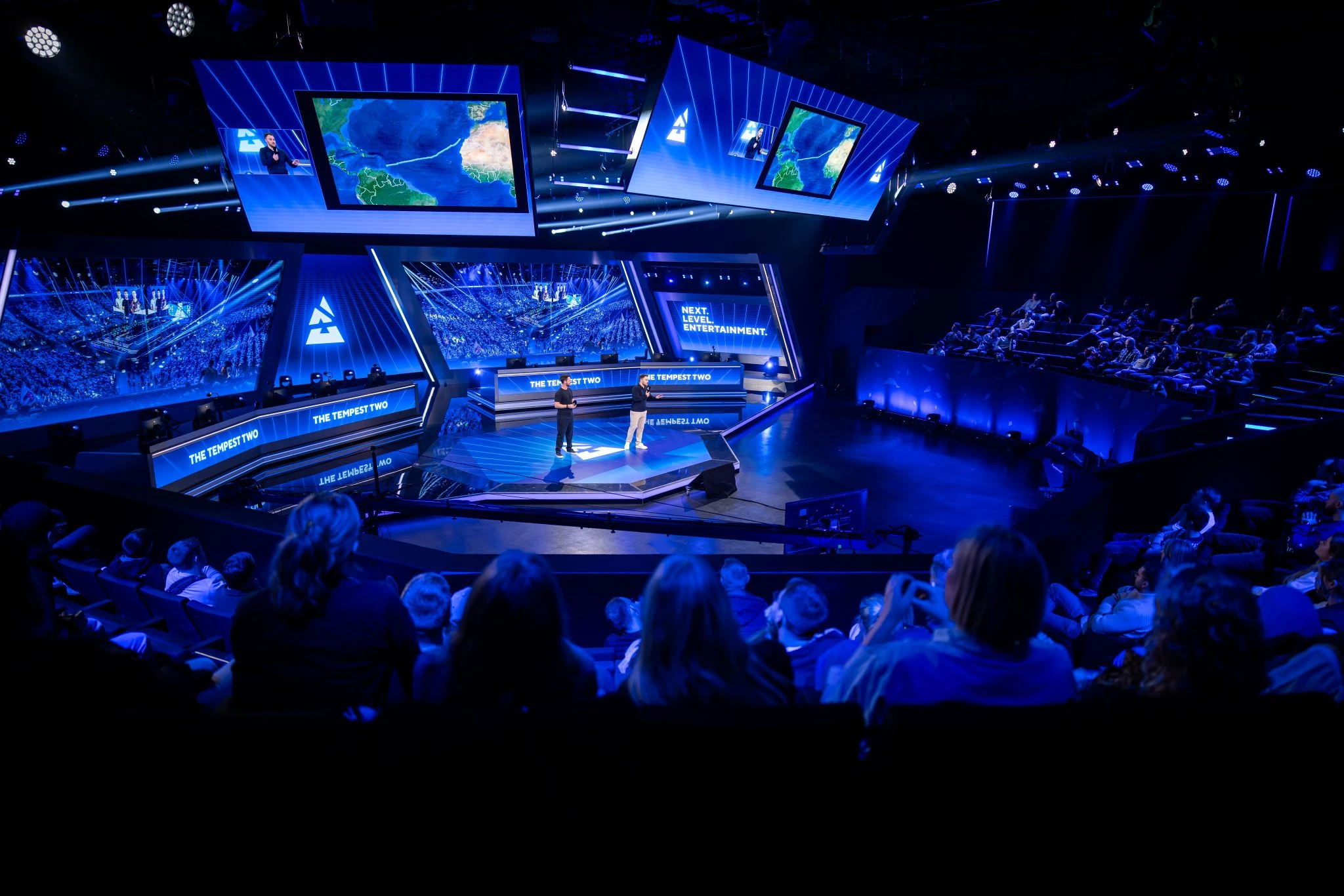
The Tempest Two are Tom Caulfield and James Whittle, adventurers and keynote speakers who rowed the Atlantic, capsizing ten days into the crossing. They speak to leadership teams about adaptability, decision-making under pressure and performing through uncertainty.
What kind of events suit an adaptability keynote?
An adaptability keynote suits leadership summits, sales kick-offs, strategy away days and all-hands sessions during restructures or transformation programmes, anywhere a team is being asked to perform while the plan around them is still moving. The Tempest Two's session on this is Embracing Change: Building Adaptability in a New World of Work. Read more on making change less challenging.
💡 Interested in booking The Tempest Two for your next event? Send us a message and we'll scope the right format and a quote for your audience. Remember, it's always a good time to get a PepTalk!
The Tempest Two
Read more from The Tempest Two
Tom Caulfield and James Whittle are The Tempest Two, mindset coaches and resilience experts who turn adventure-backed insight into practical performance advice. They work with organisations on high-performance teamwork and unlocking team potential, and have delivered keynotes for Microsoft, Nike, Google and Airbnb.
Tell us about your event and we'll match you with the right person for your audience.
Trusted by 5k+ event planners
Similar Articles







Tell us about your event. We'll find the right voice.
Get expert recommendations matched to your brief, your audience, and your budget.