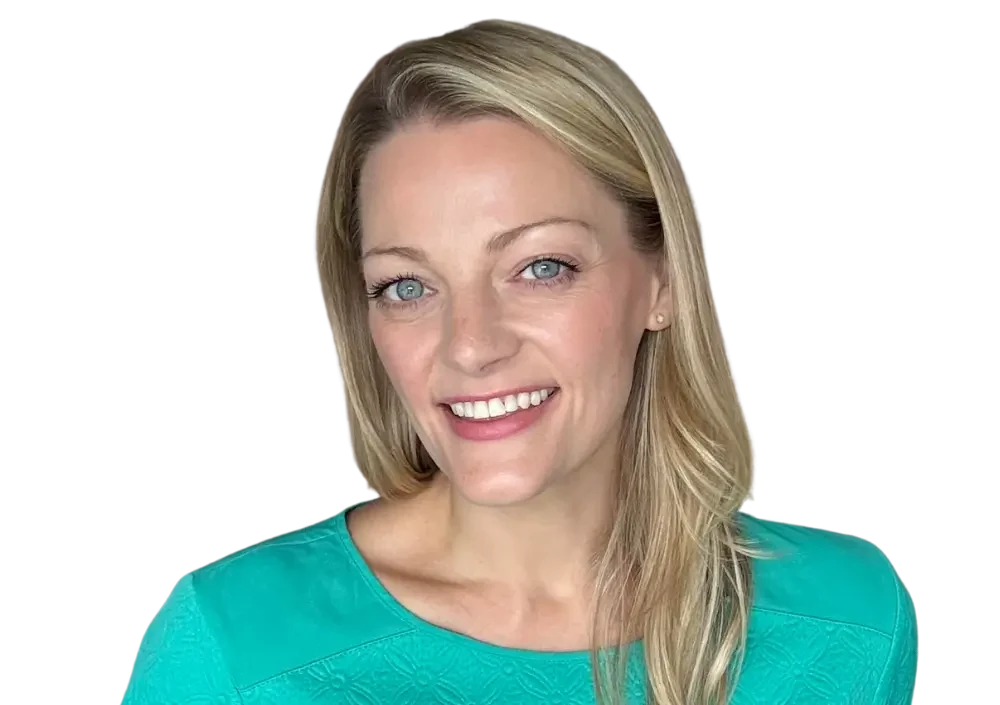
Why do so many of us stay inside our comfort zone, and what does it actually take to find the courage to grow beyond it? Chartered psychologist Dr Carolyne Keenan joined BBC Radio 1's Life Hacks with Lauren Layfield and Shanequa Paris to unpack exactly that, and here's what the conversation uncovered.
Why Challenges Matter
Our brains are wired for safety. The amygdala, the part that processes fear, pushes us to avoid risk. While that helps protect us from genuine danger, it can also make us underestimate our own abilities. Taking on a challenge helps rewire the brain by creating new neural pathways. Every time we face discomfort and survive it, we build confidence, motivation, and the kind of resilience that carries into everything else we do.
What's Happening in Your Brain?
- Dopamine boost: Completing a challenge triggers the brain's reward system.
- Confidence gain: Each challenge overcome reinforces the belief that we can do hard things.
- Resilience building: Challenges often come with setbacks; working through them strengthens our emotional endurance.
Before You Begin – What Might Be Holding You Back?
Our self-doubt often comes from early experiences. If you were criticised or protected from failure as a child, you may fear mistakes or struggle to trust your ability. Knowing this helps you shift perspective. You can't change the past, but you can choose how you respond to fear today. It's the same instinct we explore in 5 Ways to Overcome Fear of Failure: naming the fear is usually the first step to moving past it.
Five Tips for Tackling a New Challenge
- Set realistic goals – Not too easy, not impossible. Stretch yourself, but don't overwhelm yourself.
- Know your why – Emotional motivation gets you through the tough parts.
- Break it down – Smaller steps feel more manageable and less intimidating.
- Expect setbacks – They're not failure. They're part of the process.
- Visualise success – Rehearsing it mentally makes it more achievable.
Internal vs External Motivation
Some people thrive with external accountability: telling others, joining a group, or being coached. Others are internally motivated. The key is to know what works for you and build your challenge around that. If external accountability is your thing, Shoot Your Shot: How To Push Past Fear And Go For It has more on turning that support into momentum.
When You Feel Like Giving Up
- Reconnect with why you started.
- Take a break. Reset. Come back with new energy.
- Talk back to your inner critic. Reframe thoughts like "I can't do this" into "This is hard because it's meaningful."
- Reflect on previous wins. Remind yourself of your own capability.
Helping Someone Else With a Challenge
Support isn't just about cheering someone on. It's about:
- Helping them adapt when things go wrong
- Reminding them of their reasons for starting
- Celebrating their effort, not just the outcome
- Being a safe space where failure isn't feared
What You Gain From a Challenge
- Confidence – Proving you can do hard things.
- Resilience – Learning to keep going even when it's tough.
- A stronger identity – Aligning action with your values builds self-belief, the same shift explored in How to Find and Exceed Your Potential.
- Perspective – Big challenges make smaller ones seem more manageable.
Frequently Asked Questions
What does it mean to step outside your comfort zone?
Stepping outside your comfort zone means deliberately choosing a situation that feels uncertain or uncomfortable. The discomfort is a signal that you're building new capability, and a normal part of growing.
How do you build the courage to take on a challenge?
Build the courage to take on a challenge by starting smaller than feels necessary. Set a realistic goal, know your reason for doing it, and break it into steps you can act on this week. Courage tends to follow the first small action.
What if I want to give up halfway through a challenge?
Wanting to give up halfway through a challenge is normal, so expect it. Reconnect with why you started, take a short reset before deciding anything, and treat the difficulty as evidence the challenge is meaningful.
Final Thoughts
Taking on a challenge isn't about being perfect, it's about discovering what you're capable of. Growth happens in the process, not just the results. So whether it's running a marathon, performing on stage, asking for what you're worth at work, or just trying something new, push the edge of your comfort zone. You might just surprise yourself. If you'd like a speaker to bring this thinking to your team, Robyne Hanley-Dafoe and Vicki Mackay also speak on resilience and growth mindset, alongside Dr Carolyne Keenan. Anne Bonney covers the same ground from the discomfort side, with a keynote built on treating change as an opening rather than a threat.
If you would like to book Dr Carolyne Keenan for a talk, workshop or wellbeing session, PepTalk would love to help. You can send us a message.