The best event speakers aren't the most talented; they're the luckiest
Success isn't about talent alone. Research shows the most successful people combine moderate talent with remarkable luck, a pattern that can be systematically hacked through openness, visibility, and resilience to create unforgettable events.

H2 link
Tell us about your event and we'll match you with the right person for your audience.
Trusted by 3k+ event planners
Recommended experts

Quick question before you read on: when you're building a speaker shortlist, what matters most? Their credentials? Their track record? Their on-stage presence?
Go on, pick one.
If you went with track record, you're in good company. Most event managers do. And you're also, if the science is to be believed, only telling part of the story.
Here's the part nobody puts in a speaker brief.
The uncomfortable truth about success — including speaking careers
Researchers Alessandro Pluchino, Alessio Emanuele Biondo, and Andrea Rapisarda (the latter two from the University of Catania) ran a simulation of 1,000 individuals across a 40-year career. They assigned each person varying levels of talent and exposed them to random lucky and unlucky events. The results were, to put it mildly, a bit inconvenient for the meritocracy crowd.
“The most successful individuals were almost never the most talented. They were the ones with moderate talent and, in the researchers' own words, remarkable luck.”
The study was so counterintuitive, it won the Ig Nobel Prize for Economics in 2022.
No, this isn't an argument that talent doesn't matter. It absolutely does. But talent alone? Far from sufficient. And for event managers curating lineups designed to genuinely move an audience—to spark a behavioural shift, not just fill a timeslot—understanding this distinction matters more than you might think.
What makes a speaker actually lucky?
This is where it gets interesting. Because luck, it turns out, is not random. It's a system. And it can be hacked.
The Hacking Luck framework
Hacking Luck is a signature framework developed after nearly a decade at the intersection of entrepreneurship, marketing, and mentorship. Building a business from nothing, working with 100 startups, hosting 120 interviews for a Top 20 UK Business podcast, and being named one of the UK's Top 20 Most Influential Female Founders didn't happen because of working harder than everyone else. It happened because of a very specific combination of factors — and years of unpicking exactly what those are.
The framework has eight principles. Here's a taster of the ones most relevant to what you're trying to create as an event professional:
Three principles that separate good events from ones people actually remember
1. Openness — the antidote to samey lineups
The most overused word in event briefs is "relevant." Everyone wants relevant speakers. But relevant to what? The same three talking points your industry has been recycling for three years?
Genuine openness — one of the core principles in Hacking Luck — is about stretching your frame of reference, not just booking within it. The sessions that land hardest are often the ones that borrow an idea from somewhere completely different and land it in the room like a grenade. Comfortable is forgettable. Unexpected is memorable.
The next time you're building a brief, ask yourself: is this lineup genuinely surprising? Or is it just... fine?
2. Visibility — why you keep seeing the same speakers everywhere
Here's a thing that happens in event programming, and nobody talks about it: the speakers who get booked the most aren't necessarily the best. They're the most visible. They've said yes more, shown up more, published more, been referred more. They've built what I call luck surface area — the cumulative effect of small, consistent acts of presence that compound over time.
This matters to you as an event manager because it works in both directions. The speakers you've never heard of might be extraordinary. And the ones on every stage this season might be peaking. Visibility is a signal, but it's not the only one.
3. Resilience — the trait that makes for great live speakers (and great rooms)
The best speakers aren't the ones who've had it smooth. They're the ones who've been through the squiggly journey and come out the other side with something genuine to say.
Greta Gerwig was rejected by every graduate school she applied to. JK Rowling was turned down by 12 publishers. Brian Chesky couldn't get investment for Airbnb and responded by designing cereal boxes with Obama's face on them. These stories work on stage because they're real, and because the resilience required to get there is felt by an audience, not just described.
When you're evaluating a speaker, don't just look at where they've been booked. Ask what they've survived. That's where the good content lives.
What this means for your next brief
If you take one thing from this, let it be this: the best event experiences aren't built from playing it safe. They come from the same principles that underpin Hacking Luck; from openness to unexpected ideas, from making your own luck with bold choices, from putting the right person in front of the right room at the right time.
Luck, as neuroscientist Dr. Nobuko Nakano puts it, "operates through identifiable patterns of brain chemistry and behaviour." The consistently lucky aren't blessed. They're running different software. And the remarkable thing about that software?
It can be installed — in you, and in your audience.
Bring Hacking Luck to your event
Hacking Luck is available as a 60–90 minute keynote with interactive Q&A, a workshop series, or a bespoke 3-month training programme. It works particularly well for sales teams, leadership offsites, startup conferences, and any room full of people who are trying to get somewhere and want to stop leaving it to chance.
Previous clients include Qatar Airways via the Alchemist accelerator. Interactive elements include a card trick (yes, really), exercises, games, and video — because a talk that doesn't make the room lean forward isn't really a talk at all.
Contact
To find out more or discuss a booking, explore Stephanie's PepTalk profile
or get in touch via stephanie.melodia@getapeptalk.com.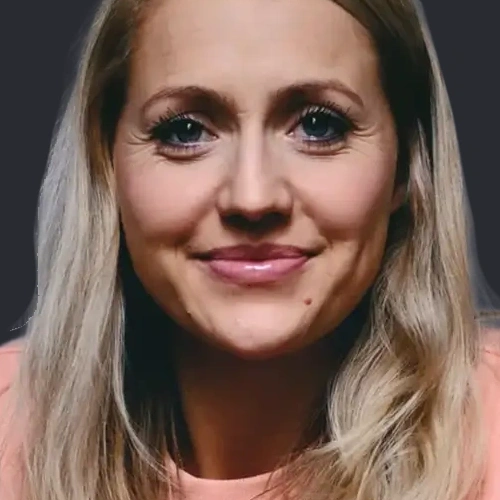
Kim Murray
Read more from Kim Murray

Rob Lauber
Read more from Rob Lauber
Penny Mallory
Read more from Penny Mallory
Emma Rose
Read more from Emma Rose
Mark Agnew
Read more from Mark Agnew
Pandit Dasa
Read more from Pandit Dasa
Daria Rudnik
Read more from Daria Rudnik
Alex Atherton
Read more from Alex Atherton
Paul Shirley
Read more from Paul Shirley

Ant Cauchi
Read more from Ant Cauchi

Antoni Lacinai
Read more from Antoni Lacinai

Jamie Vickery
Read more from Jamie Vickery

Toni Kent
Read more from Toni Kent

VenueScanner
Read more from VenueScanner
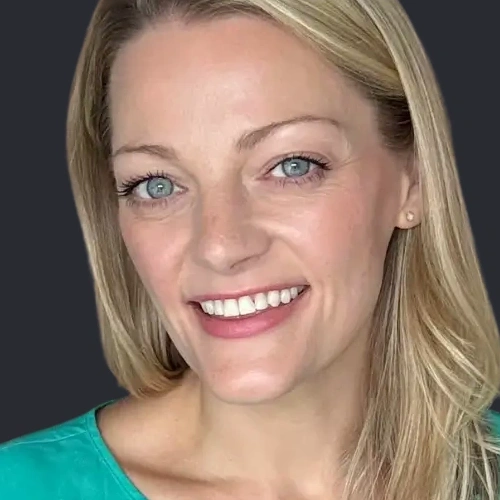
Dr Carolyne Keenan
Read more from Dr Carolyne Keenan

Toby Clarke
Read more from Toby Clarke

Josie Kent
Read more from Josie Kent
Team PepTalk
Read more from Team PepTalk
Isla Cauchi
Read more from Isla Cauchi

Rob Hosking
Read more from Rob Hosking
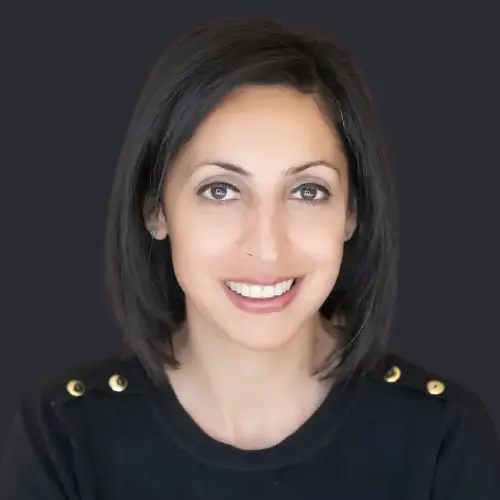
Sharon Parmar
Read more from Sharon Parmar

Steve Peralta
Read more from Steve Peralta

Caitlin Tubbs-Galley
Read more from Caitlin Tubbs-Galley

Kelly Vickery
Read more from Kelly Vickery

Pamella Onoriode
Read more from Pamella Onoriode
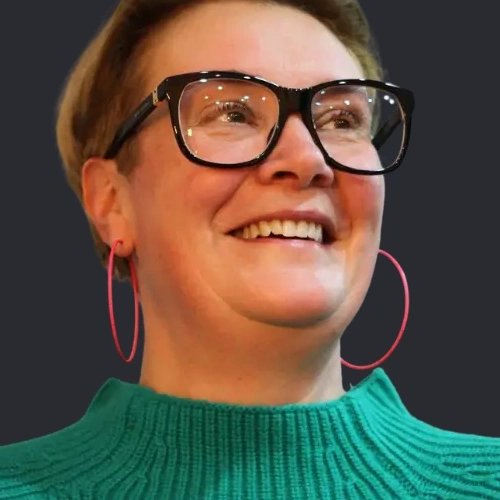
Sam Dolan
Read more from Sam Dolan
Chris Roebuck
Read more from Chris Roebuck
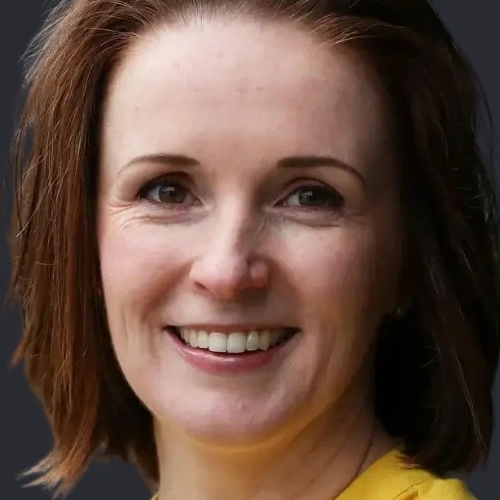
Tori James
Read more from Tori James
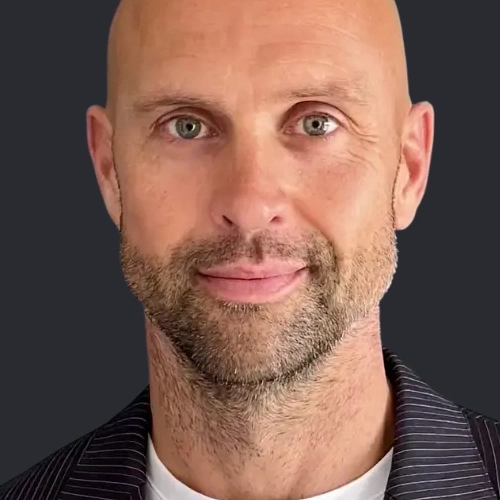
Luke Tyburski
Read more from Luke Tyburski
Daniel Gomes
Read more from Daniel Gomes
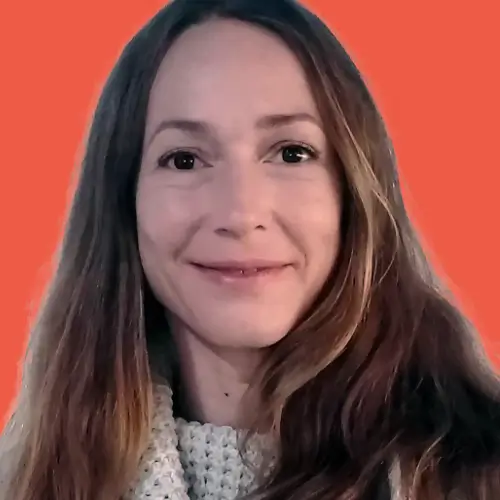
Moraea Phillips
Read more from Moraea Phillips

Tommy Hughes
Read more from Tommy Hughes
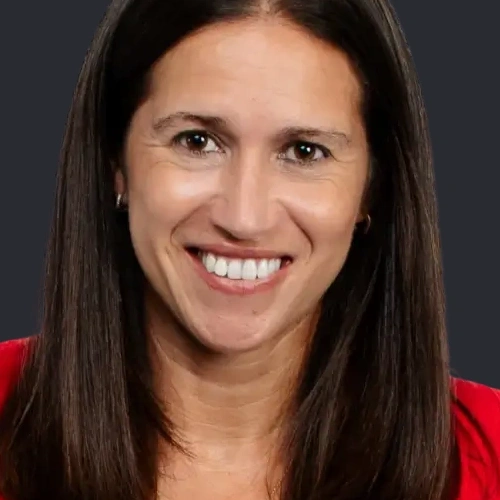
Anna Hemmings MBE, OLY
Read more from Anna Hemmings MBE, OLY
Lily Willen
Read more from Lily Willen

Amber Parkin
Read more from Amber Parkin
Vanessa Sturman
Read more from Vanessa Sturman
Lloyd Salmons
Read more from Lloyd Salmons

Toby Daniels
Read more from Toby Daniels

Dr Mark Bloomfield
Read more from Dr Mark Bloomfield

Andrew McNeill
Read more from Andrew McNeill
Tell us about your event and we'll match you with the right person for your audience.
Trusted by 5k+ event planners
Similar Articles




Tell us about your event. We'll find the right voice.
Get expert recommendations matched to your brief, your audience, and your budget.