Top Expert Speakers to Elevate Your Next Employee Wellbeing Event
How to programme an employee wellbeing event that changes something, plus six speakers who fill the gaps most wellbeing days leave open.


H2 link
Tell us about your event and we'll match you with the right person for your audience.
Trusted by 3k+ event planners
Recommended experts

Most employee wellbeing events are a fruit bowl, a yoga taster and a talk about resilience. People enjoy the afternoon, nothing changes, and the following year someone asks why engagement scores have not moved. The speakers are rarely the problem. The programme is.
A wellbeing event earns its budget when it addresses the things the organisation can actually act on, gives managers something to do differently, and covers the topics people are quietly struggling with rather than the ones that are easy to book. Below are the three structural gaps that leave a wellbeing day feeling hollow, and six speakers who fill them.
What separates a wellbeing event that works
Three things go wrong often enough to be worth naming before you book anyone.
- Nobody measures it. If you cannot say what the day was meant to shift, you cannot defend the budget next year, and the event stays a nice-to-have. Decide the measure before the agenda.
- Managers are left out. Wellbeing programming aimed only at individuals asks people to cope better with a workload nobody has agreed to change. The manager is the single biggest variable in most people's experience of work, so put something in the programme aimed squarely at them.
- The real topics go unprogrammed. Menopause, ADHD, grief, money worries, men's health. These are what people are actually dealing with, and they get skipped in favour of a general talk on positivity because the general talk feels safer to book.
Fix those three and the rest of the day works harder. For wider options, PepTalk's mental health speakers and personal wellbeing speakers pages carry the full roster, and our roundup of keynote speakers for wellbeing and engagement at work covers the main stage.
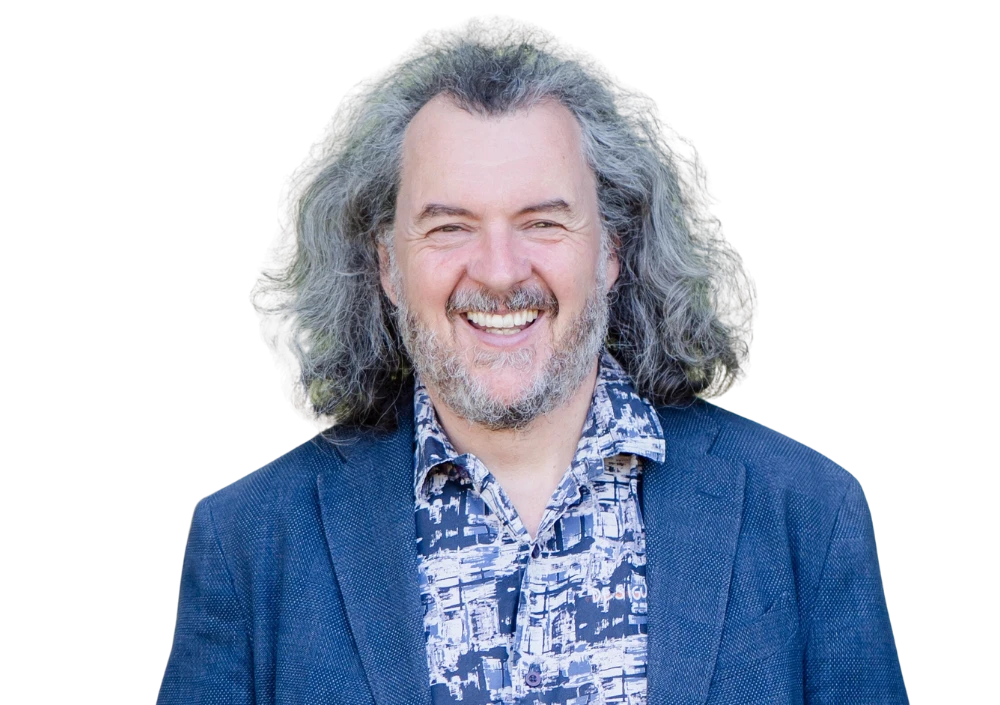
Nic Marks
Book Nic for
The business case that gets next year's wellbeing budget signed off.
Nic Marks read mathematics at Cambridge before training in organisational change, founded the Centre for Wellbeing at the New Economics Foundation where he created the Happy Planet Index and the Five Ways to Wellbeing, and went on to found Friday Pulse, a platform now used by hundreds of organisations to track team happiness week by week.
He is the answer to the measurement gap. His research puts happier employees at 20 to 30 per cent more productive and considerably less likely to leave, which turns a wellbeing day from a gesture into an investment with a number attached. Audiences leave with a framework for building trust and engagement, and simple habits managers can use immediately. Put him early in the programme so everything after it has a purpose.
Learn more and book Nic Marks →
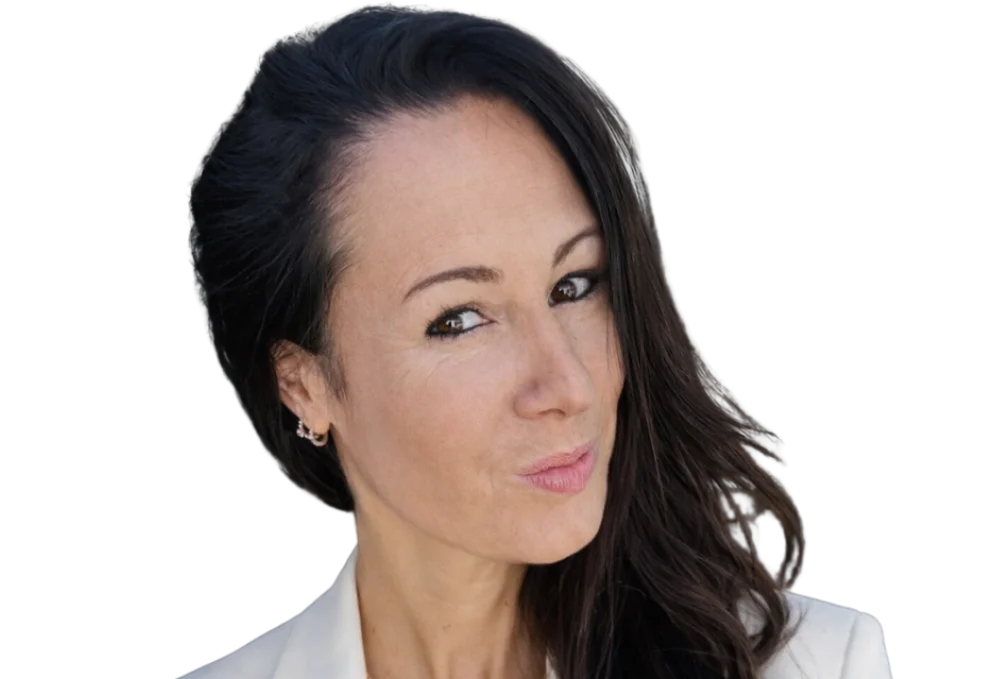
Sadie Restorick
Book Sadie for
The session aimed at your managers rather than your whole workforce.
Sadie Restorick is CEO of Wellity Global, holds an MSc with Distinction in Workplace Health and Wellbeing, and has trained over 100,000 professionals across some of the world's largest organisations. Her research has been presented at the European Academy of Occupational Health Psychology.
She is the strongest fit for the manager gap. Her sessions cover what drives burnout and high-functioning exhaustion in high performers, which is the group least likely to ask for help and most likely to leave without warning, along with positive psychology tools for strengthening psychological safety in a team. Run her with your people managers in the room and the rest of the programme lands on better ground.
Learn more and book Sadie Restorick →

Dr Angela Sharma
Book Angela for
The health conversations your team is having everywhere except at work.
Dr Angela Sharma is a GP with 23 years of NHS clinical experience who leads a specialist menopause service within her practice and sits on the British Menopause Society medical advisory board.
She covers the ground most wellbeing programmes skip. Her workplace talks and workshops span women's health, menopause and endometriosis, alongside prostate cancer, men's health and the wider realities of managing a health condition while holding down a job. She works on both sides of that, equipping employees with the knowledge and helping managers understand what a colleague with a long-term condition is dealing with. Clinical credibility matters here, because these are the sessions where the audience will know if the speaker is improvising.
Learn more and book Dr Angela Sharma →
Three more to build the programme around
Specialists for the sessions either side of your main stage.
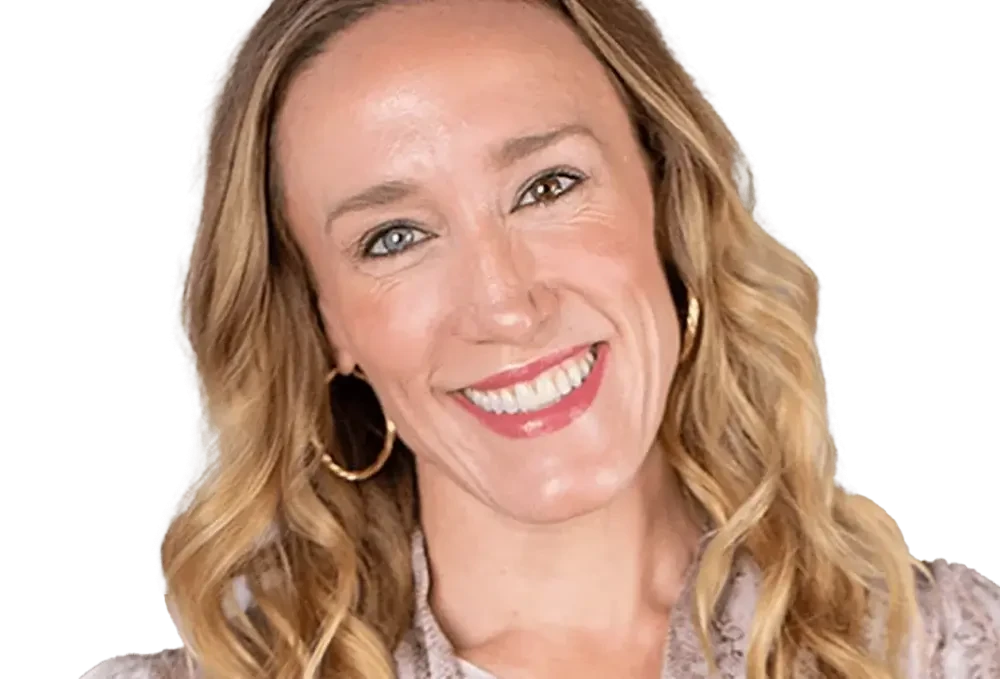
Erin Stafford
A Cambridge-trained social psychologist and burnout survivor who spent 20 years inside hyper-growth business, driving 27x growth in six years as head of marketing for a healthcare staffing company. She has worked with Olympians and Fortune 100 leaders, and speaks on hustle culture from the inside rather than from the outside.
Learn more and book Erin Stafford →
Dr Heather McKee
A lifestyle behaviour change specialist with over ten years of academic work on what makes a habit last, who has partnered with Unilever, HSBC, lululemon, Starbucks, TikTok, the NHS, Allianz, Vodafone and Lloyds. The right booking when you want people leaving with something they will still be doing in March.
Learn more and book Dr Heather McKee →
Alex Partridge
Founder of UNILAD and LADbible, whose ADHD diagnosis reshaped his advocacy work and led to the ADHD Chatter podcast and the Sunday Times bestseller Now It All Makes Sense. He has spoken at over 200 events including Formula 1, the BBC and TED, and is candid about the toll litigation took on his mental health.
Learn more and book Alex Partridge →Building the rest of the day
A single strong keynote will carry a morning. A full wellbeing day needs variety of format as much as variety of topic, so mix a main-stage talk with smaller sessions people opt into, and give them somewhere private to ask a question they would not raise in a room of 300.
Two of our other guides cover ground worth adding. Sleep health experts are consistently the most practical booking on a wellbeing agenda, since sleep is the lever most people can actually move. And health and fitness experts suit the activity slots, provided they are framed as an option rather than something everyone is expected to join in with.
Frequently Asked Questions
What should an employee wellbeing event include?
An employee wellbeing event should include one main-stage keynote with smaller opt-in sessions, something aimed specifically at managers, and at least one specific health topic alongside general resilience. Agree the measure of success before you build the agenda, so you can show what changed.
How long should a wellbeing session be?
A wellbeing keynote should be 45 minutes to an hour, including time for questions. Workshops need 90 minutes or more to get past the introductions and produce results. Lunchtime sessions should run to 30 or 40 minutes, since people are giving up a break to attend.
How do we measure whether a wellbeing event worked?
To measure whether a wellbeing event worked, pick the measure before the event. A short pulse survey run before and several weeks after is the most common approach, and uptake of existing support such as an EAP or occupational health referral is a useful second signal. Attendance and satisfaction scores only tell you the day was enjoyed.
Should managers attend the same wellbeing sessions as their teams?
Managers should attend some wellbeing sessions with their teams, but not all of them. People are less candid about workload and pressure with their own manager beside them, so run at least one manager-only session focused on their responsibility for their team's wellbeing.
Book a speaker for your wellbeing event
💡 Tell us what your wellbeing programme needs to achieve and we'll shortlist the right PepTalk expert for each slot. Email us at hello@getapeptalk.com or send us a message via the chat. You can also call us on +44 20 3835 2929 (UK) or +1 737 888 5112 (US). Remember, it's always a good time to get a PepTalk!
Jamie Vickery
Read more from Jamie Vickery
Jamie is a Senior Client Partner at PepTalk and has been part of the team since day one. With over 11 years of experience at digital agencies like Outside Line and Saatchi London, Jamie knows the ins and outs of client services, storytelling, and communication. Before moving into the agency world, he spent five years with the Spice Girls management team, helping spread their zig-a-zig-ah to fans of all ages. At PepTalk, Jamie specialises in sport speakers (from cricket and rugby to athletics and football), as well as topics around wellbeing, including burnout, stress, mental health, and nutrition. He also has a keen eye for leadership done differently, and for adventurers who bring lessons in resilience, mindset, and goal setting.
Tell us about your event and we'll match you with the right person for your audience.
Trusted by 5k+ event planners
Similar Articles




Tell us about your event. We'll find the right voice.
Get expert recommendations matched to your brief, your audience, and your budget.