Cost of Living Crisis: Money Management
Money management that holds up whatever the headlines say, with Clare Seal and eight more PepTalk finance experts.

H2 link
Tell us about your event and we'll match you with the right person for your audience.
Trusted by 3k+ event planners
Recommended experts
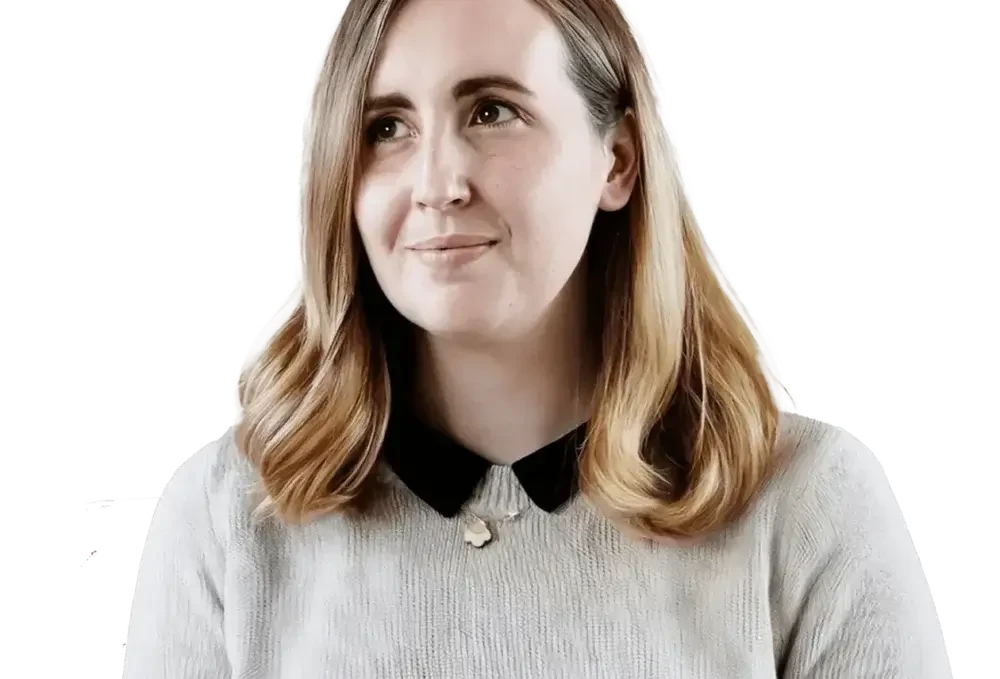

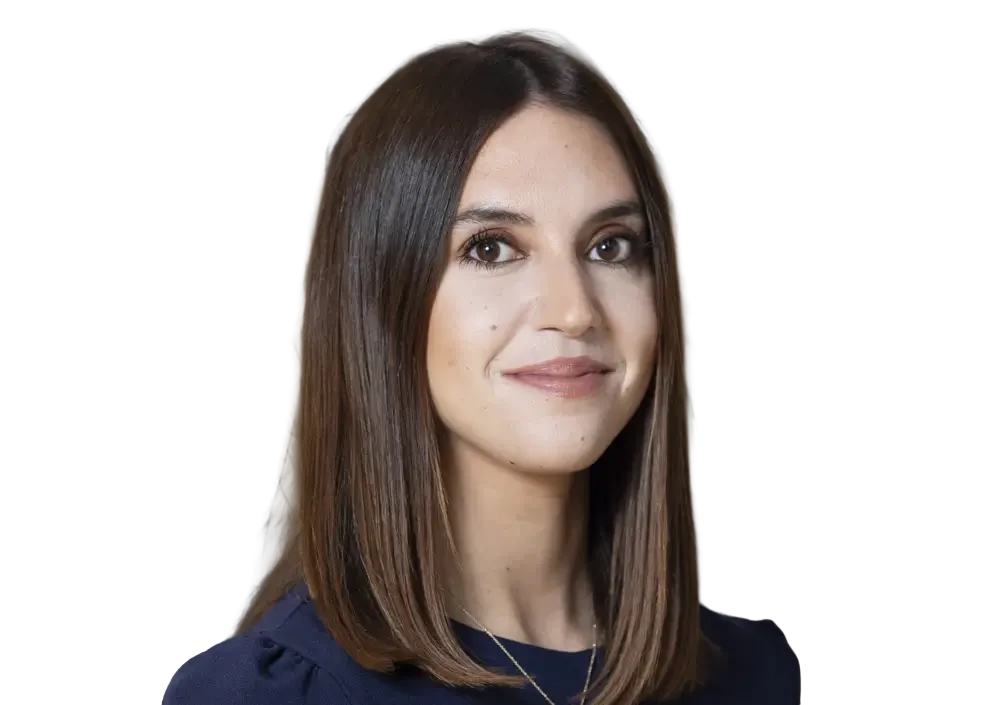
The cost of living crisis recedes and then returns, usually with the April bill rises or the August price cap announcement, and the headlines start again. The external picture keeps changing. What you control stays roughly the same. With the help of money-management expert Clare Seal, this article sets out how to make better decisions regardless of where the cycle is, and which PepTalk experts can bring that thinking to your team.
"Things will get better again - we see this after every crash or financial crisis. I often tell my clients that sometimes the best thing to do is to press pause."— Clare Seal
Money management: try big picture thinking
Money management can seem overwhelming when we're in the weeds and when all we can hope for is next month's paycheck. The next debt payment. The next house or car we're vying for. We're often surrounded by negative news about the cost of living.
Our expert, Clare, is a financial well-being speaker, author, and founder of The Financial Wellbeing Forum. To begin, she encourages all her clients to step back and think about two aspects: internal and external factors.
External money factors
The external factors would be the cost of living, inflation or a recession. They're things we unfortunately cannot control. So, if these are the only things holding you back from making moves with your money, consider workarounds (more on that later) or being patient. It might sound defeatist, but Clare's point about pressing pause holds. When we hit the same brick wall of a situation we cannot change, it affects our well-being and perspective on money. And often, the best thing is patience and putting those grand plans on hold, just for now.
Understanding what those external forces actually are makes them easier to live with. Victoria Scholar, Head of Investment at interactive investor and CITY A.M.'s Analyst of the Year 2023, explains interest rates, inflation and market volatility in terms audiences can act on. Susannah Streeter, Chief Investment Strategist at Wealth Club and a former BBC business anchor, does the same for trade policy and geopolitical risk, drawing on 17 years of frontline broadcasting.
Internal money factors
Instead, focus on what you can control: the internal factors or how you feel about finances. Often, not feeling like we have enough money can be linked to lifestyle creep. Increased spending when we have a new job, investing in a bigger house or better car because we feel we need it. But Clare encourages us to think about what a lifestyle that makes us content and happy looks like. And if you've got most of those things in place, you might not need anything else. We're always encouraged to step forward - get a bigger house, a better car, go on a better holiday. This list goes on. But by focusing on what we have rather than what we don't, we can re-establish our spending habits. Get out of the race of what everyone else is doing and refocus on the here and now; what really makes you happy?
Iona Bain, Financial Journalist of the Year 2025 and BBC Morning Live's resident money expert, works on exactly this territory: the habits and assumptions people carry into their finances, and how to shift them without shame.
Debt management during a cost of living crisis
Another aspect that causes more stress about the cost of living is debt. Clare had her issues with debt in the past and overcame them by starting with being 100% honest with herself:
"Once you know all of the information, nothing can surprise you… Start from there and work out what the minimum repayments are."
Clare continues, "Debt isn't something that defines you as a person or anything to be ashamed of."
Once you remove that stigma, you can look ahead and make a plan. Clare recommends using the avalanche or snowball approach to debt management, both of which use accumulation and reward to help you hit your debt management goals. If you want to go deeper on how our attitudes to money are formed, our piece on the psychology of money is a good next read.
The snowball approach involves paying off the smallest debt first and then moving on to the next smallest one. With each debt you pay off, the amount you can put towards the next one increases, "snowballing" until you've paid them all off. This method can help you gain momentum and motivation as you see your debts disappear one by one and give you a sense of achievement.
On the other hand, the avalanche method involves prioritising the debts with the highest interest rates, as they are costing you the most money in the long run. By paying off these debts first, you can save more money over time and reduce the overall amount of interest you pay.
Debt rarely stays at home. Tayo Oguntonade, financial wellbeing advisor and BAFTA-winning Channel 4 presenter, runs a session called Why Money Confidence Matters At Work on how financial insecurity turns into stress, distraction and lost productivity, and what employers can do about it.
» Explore: The very best personal finance speakers
Savvy saving
Finally, we have savings. It seems simple, but where do you start and make it less stressful in times of financial instability? Here are some of Clare's best ideas on the subject. For a broader framework on getting started, see the first step to making moves with your money.
Sustainable side-hustles
Instead of surveys, user testing and other sites that claim to give you cash fast, try sustainable side hustles.
"Money is only one of the currencies and resources that we have in our lives. Time is massively valuable as well, and so is your health. So if you're staying up until 2 am doing surveys every night to try and get to the next payout, it can impact your health at your day job," Clare says.
Instead, she suggests looking at your skills and freelancing within this area, ensuring it doesn't harm the rest of your lifestyle. Another route is exploring cashback opportunities. Cashback is a low-effort way of banking money that you can utilise at high-expenditure times like Christmas. Search on sites like Martin Lewis' MoneySavingExpert in the UK to find the latest deals.
Jasmine Birtles built MoneyMagpie on the same principle and covers the practical end of extra income, cashback and everyday savings across the BBC, ITV and Channel 5.
Make savings automatic
"Pay yourself first," Clare says. She recommends having a standing order or automatic transfer scheduled for payday (or shortly after) into a savings account. Make a plan within your means, but start small.
Once you've started the savings habit, you can add more money to the pot. Remember to look into different savings accounts and pick based on what you're saving for. For example, shopping around for high-interest rate or cashback accounts can be a great way to maximise your savings if you're not planning on touching the account funds for a while.
Once the pot is building, the question becomes where it goes next. Glen Goodman, former BBC correspondent and author of The Crypto Trader, covers investing and digital assets for audiences who want to understand the options properly before committing to any of them.
The final word
The headlines will keep moving. Prices rise, then steady, then rise again, and the same anxieties come back round with them. What stays constant is the part you can act on: what you spend, what you owe, what you put aside, and how you feel about all three. Focus there and the picture gets a lot less intimidating, whatever the news is doing that month.
Booking a money management session for your team
If the goal is helping employees feel steadier about their own finances, Clare Seal and Tayo Oguntonade are the two to look at first. Both work on the behavioural side of money rather than the technical side, which is usually what a workforce actually needs.
For a briefing on the wider economic picture, whether that's a leadership away day or a client event, Victoria Scholar and Susannah Streeter both read markets for a living and explain them without jargon. Glen Goodman covers the same ground for investing and digital assets.
For broad-audience financial literacy, Georgie Frost hosts the This is Money podcast and appears regularly on Times Radio, and has built her career on financial inclusion. Iona Bain and Jasmine Birtles work in the same space with different audiences.
If you need someone to chair a panel or host the day rather than deliver the keynote, Holly Mead fronts ITV's money coverage and was Deputy Money Editor at The Times. Susannah Streeter chairs finance, energy and AI conferences globally.
💡 Interested in booking Clare Seal or another PepTalk money expert to help your team get to grips with their finances? Send us a message and we'll scope the right format and a quote for your audience. Remember, it's always a good time to get a PepTalk!
Team PepTalk
Read more from Team PepTalk
At PepTalk, we harness the power of human intelligence to inspire and transform your people, insights, and events. Whether you're looking for expert speakers, tailored learning experiences, or unforgettable corporate events, our team is here to help. Get in touch with us today to find out more.
Tell us about your event and we'll match you with the right person for your audience.
Trusted by 5k+ event planners
Similar Articles





Tell us about your event. We'll find the right voice.
Get expert recommendations matched to your brief, your audience, and your budget.