Cycle Smarter: Strategies to Empower Women at Work
Explore how syncing with your menstrual cycle can fuel productivity, reduce burnout, and transform the workplace.


H2 link
Tell us about your event and we'll match you with the right person for your audience.
Trusted by 3k+ event planners
Recommended experts
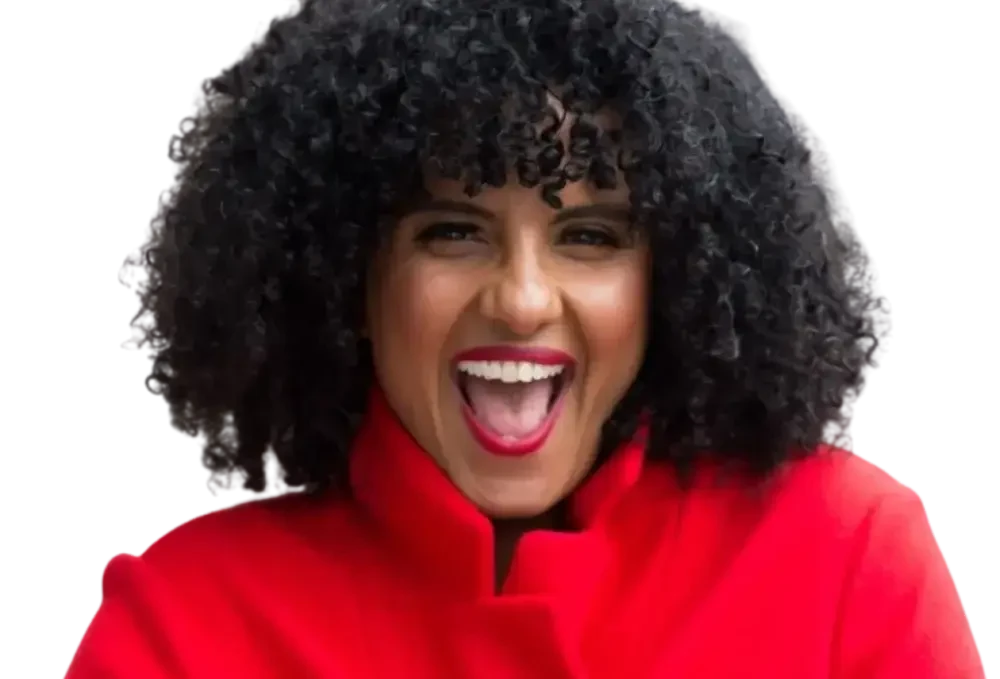


Cycle smarter: that's the invitation at the heart of this piece. Menstrual Hygiene Day on 28 May is a global call to challenge period stigma and prioritise menstrual equity, and the workplace is one of the places that conversation is still avoided most. Overlooked strategies to reduce absenteeism and empower women at work often go untried simply because no one raises the subject. In this article, advocate and educator Pamella Onoriode shares why menstrual health matters at work, and how leaders and teams can build a more inclusive, supportive environment around it.
Each month (give or take), I bleed. And with it comes a quiet, powerful invitation: slow down, tune in, recalibrate. I didn't always listen.
I've led global broadcast teams across the BBC, the Olympics, and the Premier League: high-pressure environments where performance is everything. In those spaces, I wore resilience like armour and treated my period like a problem to push through.
Like many ambitious women juggling boardrooms, babies, and big visions, I saw my cycle as a distraction, something to suppress so I could keep pace with a system never designed for my biology.
But then I got curious. What if my menstrual cycle wasn't a barrier but a blueprint?
Menstruation as a Mirror
Our cycles reflect more than biology. They act as a monthly review of our energy, clarity, and capacity. The menstrual phase is often associated with low energy, but what if we reframed it as a time of heightened intuition and recalibration?
Ancient cultures honoured menstruation as a sacred pause. What if modern workplaces did too?
What If Leadership Had a Cycle?
We praise "always-on" productivity, but nature doesn't work like that. And neither do we. Constant output leads to burnout, disengagement, and poor decision-making.
Our cycle offers a leadership roadmap:
- Menstruation = review & release
- Follicular = create & ideate
- Ovulation = collaborate & communicate
- Luteal = focus & finish
This is biology. And it's helping women lead with rhythm, not resistance.
The Absenteeism Conversation
Here's the business reality: menstruation can affect performance, but it doesn't have to derail productivity.
Research from the Netherlands has estimated that around 14% of women take time off work because of severe menstrual symptoms such as fatigue, pain, or brain fog, and many more likely don't disclose the real reason. Instead, they "push through", which can lead to presenteeism: being at work but under-performing.
Menstruating employees make up a meaningful share of most workforces, so this isn't a niche concern for HR to shelve. It's business-critical, and it sits alongside the kind of wellness myths that quietly shape how organisations treat health at work.
As a leader, ask yourself:
- What would change if women felt able to track their cycles and align work accordingly?
- Could absenteeism drop if we supported natural rhythms instead of forcing uniform productivity?
- Are we building cultures of trust or burnout?
Tracking Is Strategy, Not Sympathy
Cycle tracking isn't about taking time "off". It's about knowing when to show up at your best. It's self-awareness. It's smart. It's the opposite of weakness.
Apps, workshops, and task planning around energy peaks can reduce absenteeism, improve focus, and boost morale. You're not lowering standards, you're raising emotional intelligence.
Bringing This Into Your Organisation
Cycle-smarter cultures don't happen by accident. A few practical starting points for HR and people leaders:
- Normalise the conversation first: a short internal talk or workshop does more than a policy document nobody reads.
- Give teams language for energy and workload, not just symptoms, so cycle awareness reads as a productivity tool rather than a medical disclosure.
- Review flexible-working and sick-leave policies to check they actually accommodate cyclical needs, rather than assuming a one-size-fits-all working week.
A live session with a speaker who has lived and researched this, in a keynote, workshop, or panel format, is often what finally gets a reluctant leadership team talking about it openly, in a way an email or a wellbeing lead's article can't.
A Quick Note on Menopause
Menstrual health doesn't stop at periods. Menopause matters too, and I'm not there yet, but I look forward to it with clarity, not fear. Still, if a meaningful share of your workforce is cycling and you're not talking about it, you're missing an opportunity to support retention, engagement, and wellbeing, the same opportunity explored in Navigating Menopause: Wellness and Support.
» READ MORE: PepTalk's top Menopause Speakers
Frequently Asked Questions
How can employers reduce menstrual-related absenteeism?
Employers can reduce menstrual-related absenteeism by normalising the conversation, offering flexibility around workload and deadlines during harder phases of the cycle, and giving people the choice of whether to be open about it. This tends to reduce hidden presenteeism more than a rigid sick-leave policy does.
Is cycle tracking at work actually useful, or just a trend?
Cycle tracking at work is useful when it's used well as a planning tool. Some people use it to time demanding work for their higher-energy phases and protect quieter phases for focused, lower-output tasks. It works best as a personal choice, with no mandated system.
How do I start a conversation about menstrual health with my team?
To start a conversation about menstrual health with your team, begin small: a short internal talk, an open Q&A, or bringing in an external speaker often lowers the barrier more than a written policy. It signals that the subject is openly welcome.
A PepTalk for Menstrual Hygiene Day
If you bleed, honour it. It's not a flaw. It's a leadership tool.
If you lead people who bleed, trust them. Start the conversation. Track trends. Embrace rhythm.
Menstruation isn't the problem. Not talking about it is.
💡 Want a speaker to open up this conversation at your organisation, in a way that sticks? Get in touch with the PepTalk team and we'll help you find the right fit. Send us a message. It's always a good time to get a PepTalk.
Pamella Onoriode
Read more from Pamella Onoriode
Pamella Onoriode is a transformational career coach, speaker, and founder of Align Your Cycle, Advance Your Career. With 20+ years in media leadership at the BBC, ITV, and BT Sport, she now helps professional women use hormonal health as a strategic tool for career growth. From the C-suite to graduate roles, Pamella empowers women to align their success with their biology—turning cycle awareness into a leadership advantage.
Tell us about your event and we'll match you with the right person for your audience.
Trusted by 5k+ event planners
Similar Articles




Tell us about your event. We'll find the right voice.
Get expert recommendations matched to your brief, your audience, and your budget.