Radical Acceptance: What It Is And How To Begin
Radical acceptance reduces anxiety, stress and burnout by helping you face reality without resistance.


H2 link
Tell us about your event and we'll match you with the right person for your audience.
Trusted by 3k+ event planners
Recommended experts
Radical acceptance is one of those ideas that sounds simple but can feel like an Olympic-level mindset shift in practice. It’s not about giving up, giving in, or denying our emotional responses. Instead, it’s about facing reality as it is without judgement, resistance, or avoidance.
As a psychologist, I see the cost of resistance to reality all the time: anxiety, emotional exhaustion, burnout, and inner conflict. When we fight against what is, we keep our nervous system in a state of hypervigilance. Radical acceptance helps us step out of that cycle and begin to regulate, reset, and relate more clearly to ourselves and the world around us.
What is Radical Acceptance?
Radical acceptance is the practice of fully acknowledging your reality even when it’s painful, unfair, or deeply uncomfortable. The term comes from Dialectical Behaviour Therapy (DBT), developed by psychologist Marsha Linehan, and is also supported by the principles of Acceptance and Commitment Therapy (ACT) and mindfulness-based approaches.
It means:
- Accepting the facts of a situation as they are, not as we wish they were
- Allowing feelings and thoughts to exist without suppression or denial
- Recognising that we can’t change the past, but we can choose how to respond
Importantly, radical acceptance is not the same as resignation. It doesn’t mean liking, approving of, or giving up in the face of pain or injustice. It’s about removing the added suffering that comes from resistance.
Why is Radical Acceptance Helpful?
1. It calms the nervous system
Radical acceptance is associated with lower emotional and physiological reactivity to stress. Research has found that accepting difficult emotions, rather than suppressing or fighting them, predicts reduced negative affect and fewer depressive symptoms over time, consistent with a shift away from a threat-driven fight-or-flight response and toward a calmer, more regulated state (Shallcross et al., 2010).
2. It builds resilience
By accepting what we can’t control, we focus our energy on what we can influence. This shift strengthens emotional flexibility, a key part of psychological resilience.
3. It reduces chronic stress
Avoiding reality or trying to control the uncontrollable can keep the body in a state of chronic stress. In people living with chronic pain, greater acceptance and values-based action have been linked to better day-to-day functioning and less pain-related distress, even when the pain itself doesn't change (McCracken & Vowles, 2008).
4. It creates psychological safety
Radical acceptance tells the brain: “This is hard, but you’re safe.” That message reduces defensive reactivity and opens the door for self-compassion, clarity and healthier decision-making.
How to Practise Radical Acceptance
Here are some practical steps you can take:
1. Name the reality clearly
Instead of avoiding or sugar-coating, state the facts. “I didn’t get the job.” “This relationship has changed.” “I’m in pain.” Naming things as they are allows your brain to register and integrate the truth.
2. Use the RAIN technique
A widely used mindfulness approach:
- Recognise what you’re feeling
- Allow the emotion to exist without trying to fix it
- Investigate the feeling with gentle curiosity
- Nurture yourself with compassion
3. Notice and soothe your nervous system
Observe what resistance feels like in your body (tight chest, clenched jaw, racing thoughts). Use breathwork, grounding, or movement to help settle your nervous system.
4. Shift the story
Practise telling yourself: “This is what’s happening. I don’t have to like it. I just have to face it.” Try asking, “What if I could stop resisting this and focus on what matters next?”
5. Start small
Radical acceptance is a muscle. Begin with everyday frustrations: traffic, delays, small disappointments. Over time, you’ll build capacity to meet bigger challenges with more grace and less internal struggle.
When Radical Acceptance Is Especially Helpful
- During grief or breakups
- Facing a health diagnosis
- Coping with uncertainty or change
- Parenting challenges
- Living with chronic pain or trauma history
It can be especially powerful when working with clients who have histories of invalidation, perfectionism, or people-pleasing. Accepting reality is often the first step in taking empowered action.
Final Thoughts
Radical acceptance is not a one-time fix; it’s a daily practice. But with time, it can transform the way we meet life’s challenges. It’s not about denying pain, but about meeting pain with clarity, compassion, and courage.
It might just be the most powerful kind of acceptance there is. If you found this helpful, share it with someone who needs a reminder: acceptance is not weakness. It's the beginning of healing.
Would you like to book Dr Carolyne Keenan for your next event, wellbeing programme or leadership session? Get in touch to secure her for your audience. Send us a message. It's always a good time to get a PepTalk.
Dr Carolyne Keenan
Read more from Dr Carolyne Keenan
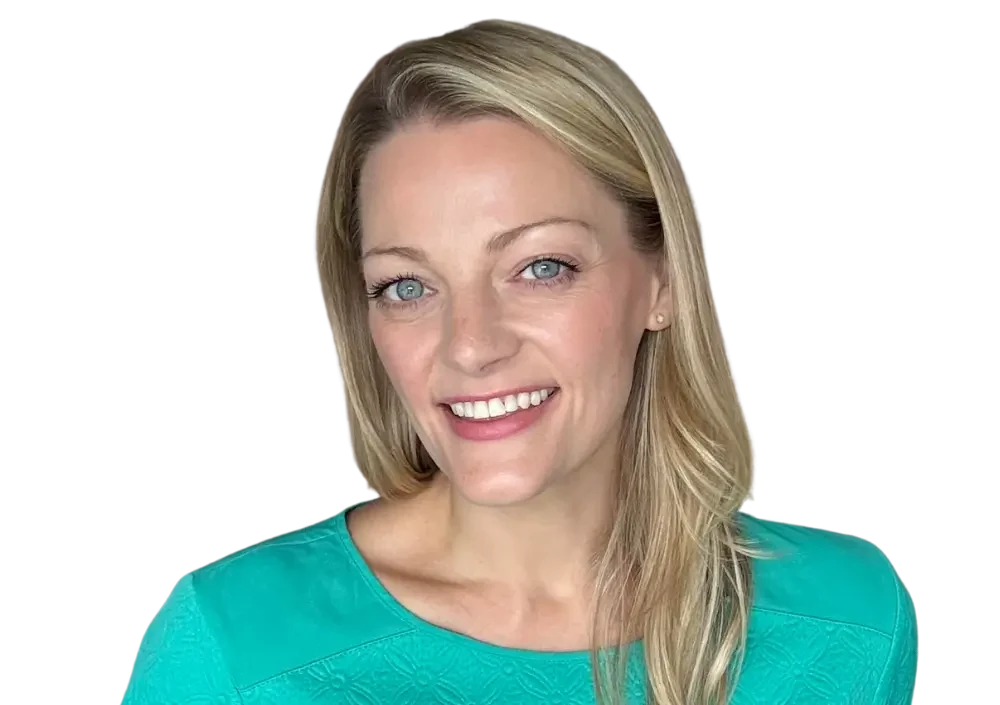
Dr Carolyne Keenan is a Registered Psychologist, speaker, and broadcaster who helps people make psychological ideas easy to understand and apply in everyday life.
Tell us about your event and we'll match you with the right person for your audience.
Trusted by 5k+ event planners
Similar Articles






Tell us about your event. We'll find the right voice.
Get expert recommendations matched to your brief, your audience, and your budget.