
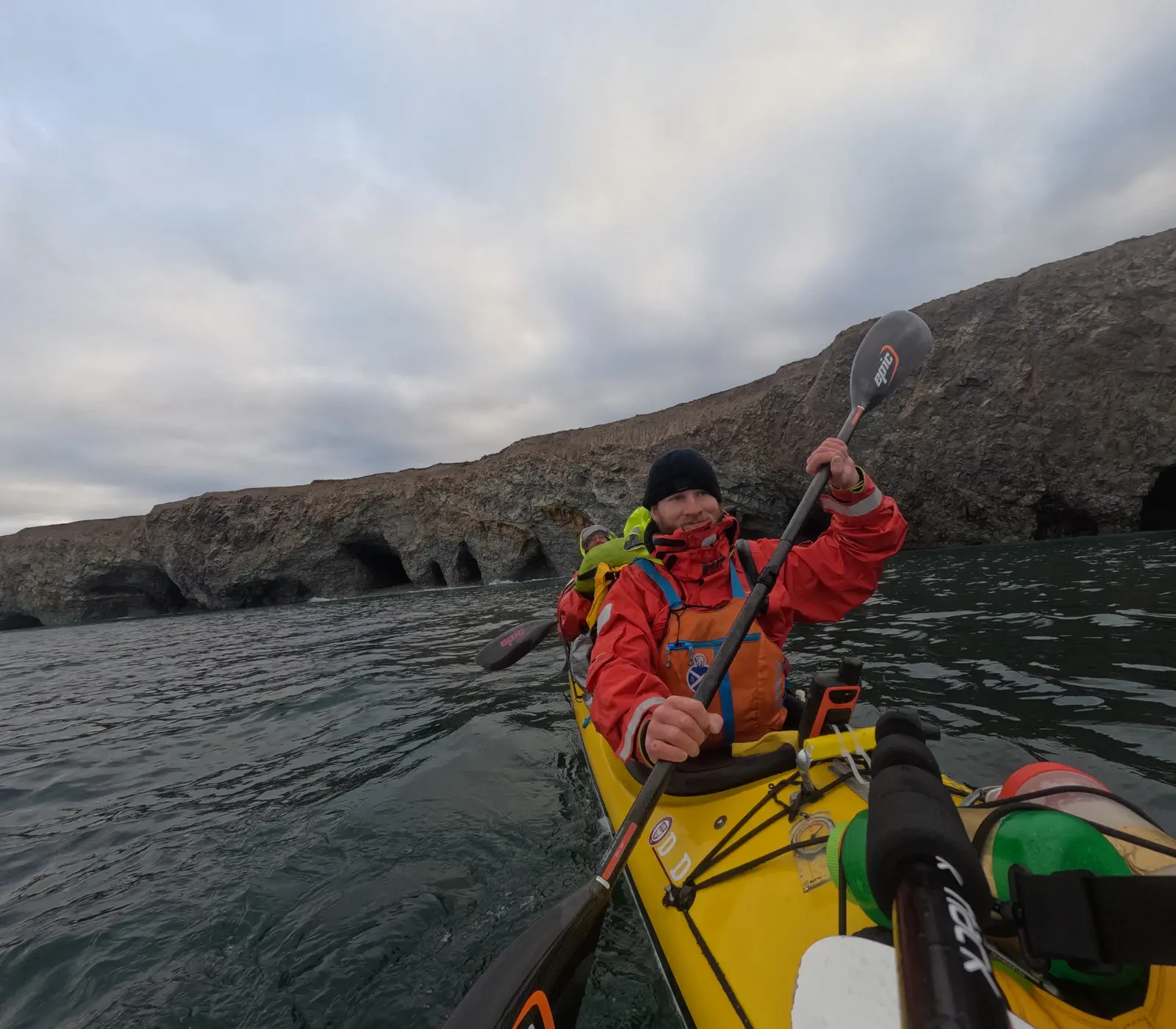
Arctic kayaker and keynote speaker Mark Agnew on how leaders can reframe organisational change as a challenge worth rising to, starting with a polar bear outside his tent.
As I lay in my tent, I was woken by a deep guttural growl. A thin layer of nylon separated us from a polar bear. Today, I help build resilient teams that see organisational change as an exciting challenge, rather than an obstacle to endure.
As the bear made its way around our tent, I grabbed the flare gun, thrust it out of the door and held it next to the bear’s head. BANG! The flare shot into a nearby hill. The sound ripped across the silent landscape.
But the bear didn’t move.
We hurried outside, waved, shouted and launched stones at the bear. After 10 minutes (it felt like two hours) it wandered off.
I was scared (well, terrified). Thoughts flashed through my mind of being mauled to death. Yet I noticed something funny happened afterwards. Instead of being traumatised, we were all exhilarated. We’d faced the ultimate challenge and we’d risen to it.
If you can reframe corporate change as an exciting challenge, a chance for growth and camaraderie, you’ll outperform everyone who only sees an obstacle to endure.
Why does a sense of challenge build resilience through change?
A sense of challenge, growth and mastery is one of the most fundamental elements of healthy human motivation. Resilience comes from having the right mindset to enjoy the challenge, so you keep turning up. Toughness alone only gets you so far.
Not all challenges are good. Too little is boring. Too much is overwhelming. If you can match the level of challenge to your people’s competence, you hit the sweet spot where they experience growth and motivation.
To reframe change as an exciting challenge, I ask myself: “In six months, how do I want to look back on how I reacted to this change? Did I get overwhelmed? Or did I rise to the challenge?” It’s a simple question that helps me find motivation through change and uncertainty.
For more on this, read why navigating change is a skill you can build.
How does shared struggle build camaraderie in a team?
Do you want a culture of camaraderie? Then you’d better wish for tough times. Friendship forms when good times are shared, and camaraderie forms when tough times are shared.
When I started viewing struggle as a chance to build bonds, every obstacle transformed. Headwinds stopped being energy-sapping obstacles and became a chance to dig deep for my teammates.
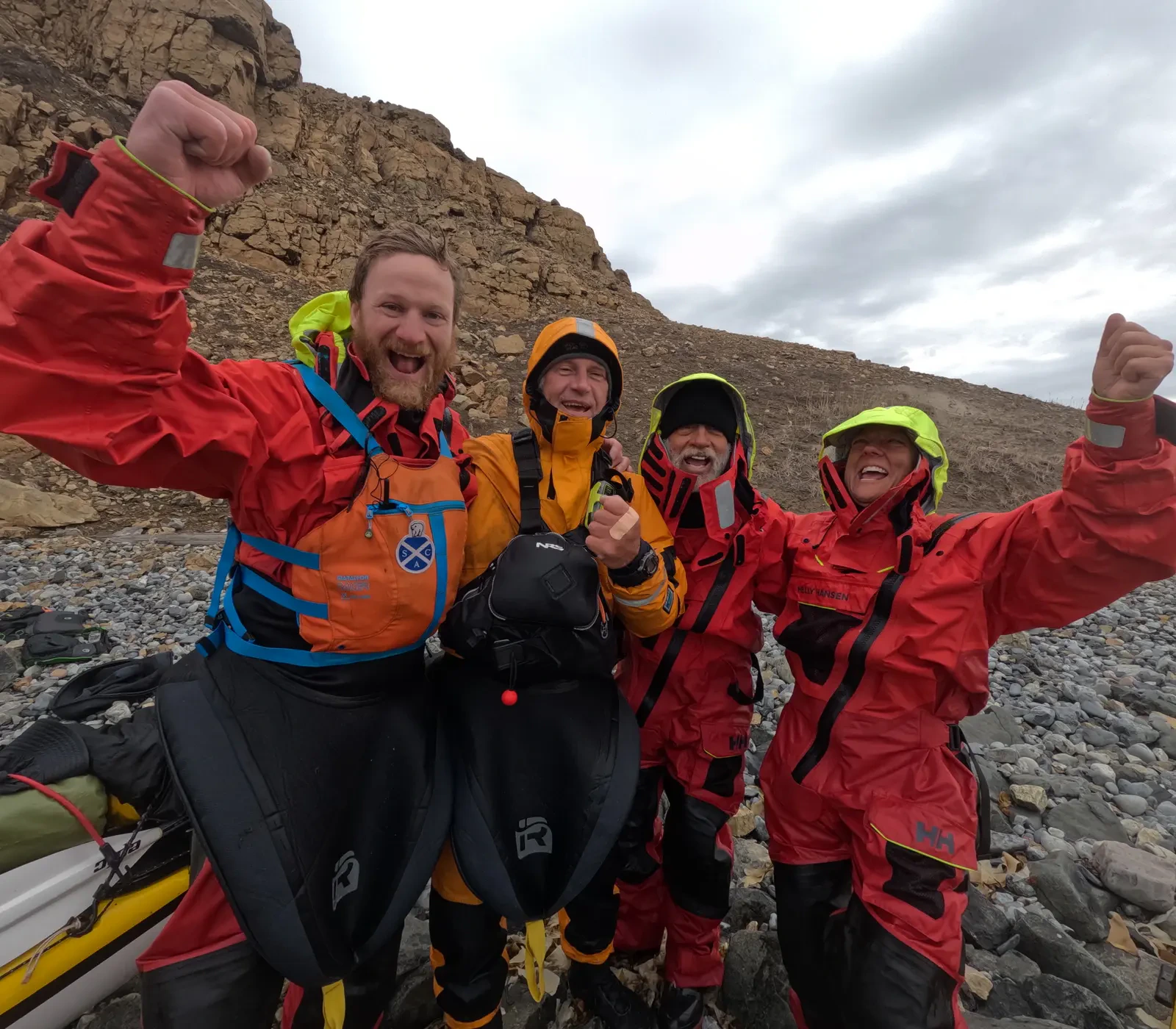
When you can reframe change as a chance to build camaraderie, your staff will find a new level of resilience through change.
Why does autonomy matter during organisational change?
Change is tough and the stakes can be high, so it’s tempting to manage your staff through the process. But micro-managing is a quick way to kill motivation.
Intrinsic motivation and resilience increase when staff feel ownership over their tasks. Of course, you have to manage, but keep it to a minimum, keep it collaborative and welcome input. Clear roles help here too, and every change management team needs a few key ones.
Now, just because your staff have autonomy, and a mindset for challenge and camaraderie, doesn’t mean change will suddenly become easy. It’s still tough. In fact, the struggle is the point when it comes to challenges and building bonds. The change won’t be easier, but it will feel meaningful and enjoyable. And when your staff are enjoying the process of pushing themselves, the results will follow.
In the Arctic, I turned up every day because I was having fun, and we reached the end as an inevitable by-product. We set two world firsts and I was crowned European Adventurer of the Year.
What change can you reframe as an exciting challenge? What uncertainty can you reframe as a chance to build camaraderie? What is your polar bear?
» Explore: Change management speakers
Frequently Asked Questions
How can leaders help teams through organisational change?
Leaders can help teams through organisational change by reframing it as an exciting challenge and a chance to build camaraderie, then giving staff ownership over their tasks. The change won't get easier, but it will feel meaningful and enjoyable, and when people enjoy pushing themselves, the results follow.
How do you reframe change as a challenge rather than an obstacle?
Mark Agnew reframes change by asking himself one question: “In six months, how do I want to look back on how I reacted to this change? Did I get overwhelmed? Or did I rise to the challenge?” It's a simple way to find motivation through change and uncertainty.
Does micro-managing affect resilience during change?
Yes, micro-managing during change is a quick way to kill motivation. Intrinsic motivation and resilience increase when staff feel ownership over their tasks, so keep management to a minimum, keep it collaborative and welcome input.
Who is Mark Agnew?
Mark Agnew is a British adventurer, Arctic kayaker and keynote speaker on organisational change. His Arctic expedition set two world firsts and he was crowned European Adventurer of the Year. He now builds resilient teams that rise to the challenge of change.
💡 Interested in booking Mark Agnew to help your team rise to the challenge of change? Get in touch with the PepTalk team and we’ll scope the right format for your audience. You can also browse more resilience speakers. Remember, it’s always a good time to get a PepTalk!