Making Space For Grief: A Psychologist On Loss
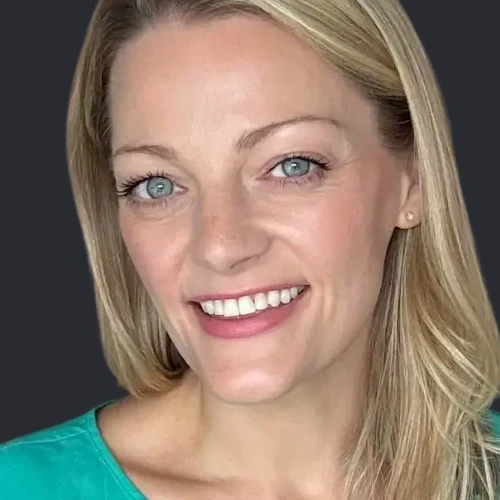
Dr Carolyne Keenan, Registered Psychologist, shares real insights on grief, loss, anger, fatigue and how to process complex emotions.

H2 link
Tell us about your event and we'll match you with the right person for your audience.
Trusted by 3k+ event planners
Recommended experts
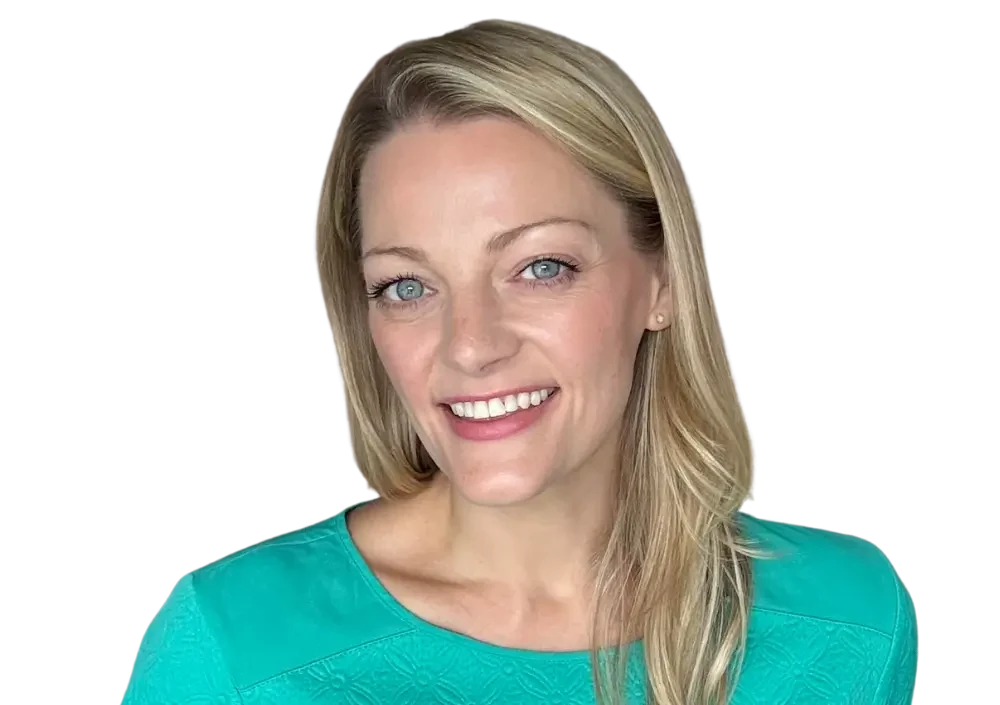
Grief is one of the most universal human experiences, yet making space for it can still feel deeply isolating. Psychologist Dr Carolyne Keenan joined BBC Radio 1’s Life Hacks to talk through how we can better understand grief and support ourselves and others when we’re in the thick of loss.
Key Themes From The Conversation
Here are the key themes Dr Keenan explored during the discussion.
1. There’s No One Right Way to Grieve
Grief doesn’t follow a neat timeline. It can hit in waves – sometimes with intensity, other times with numbness. People often feel pressure to “get over it,” but there’s no expiry date on grief. The emotions you feel – anger, guilt, sadness, shock – are all valid, even if they don’t arrive in the order you expect.
“Healing happens through feeling.”
We often try to distract ourselves or feel rushed by others to move on. But it’s in allowing our emotions – not avoiding them – that real healing begins. This is just as true in a professional setting as it is at home; our guide to navigating grief at work looks at how employers and colleagues can make more room for that process.
2. Anger, Sadness and Fatigue Are All Normal
Many listeners spoke of feeling angry or physically run down. This is a natural response to emotional shock. Our bodies carry grief too. Tiredness, appetite changes, breathlessness, and even illness can all be signs that we need to slow down.
Let people know when you’re having a low day. Adjust expectations and be kind to yourself. Some days you’ll manage more; others you won’t. That’s okay.
3. Grieving Someone Who’s Still Alive
Dr Keenan also spoke about the kind of grief that isn’t always acknowledged – such as estrangement, friendship loss or break-ups. These types of grief can be just as painful as bereavement. Just because someone is still living doesn’t mean we don’t grieve their absence.
4. Public Figures and Sudden Losses
When someone famous dies, particularly at a young age, it can stir up powerful emotions. Even if we didn’t know them personally, their loss can connect us to our own past bereavements or feelings of injustice. That grief is valid too.
If you’re feeling the effects, seek community. Speak with others who understand. Join memorials, light candles, and allow yourself to mourn.
5. Creative Ways to Process Emotions
If you can’t find the words, find other ways. Painting, music, movement, or writing letters to someone you’ve lost can be powerful outlets. One suggestion from the conversation: write a letter to the person who died. Say what you didn’t get to say. Keep the connection alive in your own way.
6. Milestones Are Personal
Birthdays, anniversaries and holidays can be especially painful after a loss. Some people find these days a helpful time to reflect and honour the person. Others find them overwhelming. There’s no right approach – just your approach. Let others know what you need.
7. Complicated Relationships, Complicated Grief
If the relationship with the person you lost was difficult, grief can be confusing. Guilt, relief, resentment and sorrow can all coexist. Finding a therapist or journaling privately can help untangle those mixed emotions in a non-judgmental space.
8. Final Thoughts: Let Others In
If this conversation – or any recent news – has triggered memories of past losses, don’t suffer in silence. Grief needs witnesses. Reach out. Let others support you. For a broader look at building resilience after loss, see our piece on overcoming adversity.
“Grief doesn’t shrink. Life grows around it.”
That idea – shared by a listener during the conversation – beautifully captures the truth. Life may never be the same again, but that doesn’t mean it can’t still be good.
If you or someone you know is struggling, please know that support is available. Talk to a GP, reach out to a therapist, or speak with a trusted friend. You are not alone.
About Dr Carolyne Keenan
Dr Carolyne Keenan is a Counselling Psychologist and keynote speaker who works with organisations on workplace wellbeing, resilience and emotional intelligence, alongside her media work with BBC Radio 1 and BBC Radio Scotland. She translates evidence-based psychological science into practical, human strategies audiences can use straight away.
For a session with PepTalk, Dr Keenan typically tailors the format to the audience and occasion – from a standalone keynote on grief, loss and resilience, to a workshop-style session built around a team or leadership group's own experience of change and loss. Get in touch and we'll help scope the right format for your event.
Frequently Asked Questions
Is there a normal timeline for grief?
Grief has no normal timeline or fixed schedule. It can come in waves, resurface around anniversaries, or feel manageable one day and overwhelming the next. Dr Keenan's advice is to let the emotions happen and to stop judging yourself against how quickly you think you should be “over it”.
How do I support a colleague or friend who is grieving?
Support a grieving colleague or friend by being present and resisting the urge to fix how they feel. Ask what they need, give them permission to have low days, and check in beyond the first few weeks, when most other support tends to fall away.
Can you grieve someone who is still alive?
Yes, you can grieve someone who is still alive. Estrangement, friendship breakdown and relationship endings can all trigger real grief, even though the person hasn't died. The loss of that relationship, and the future you expected with it, is still a real loss to process.
What if my grief feels complicated by guilt, relief or anger?
Grief complicated by guilt, relief or anger is common, particularly after a difficult relationship. These feelings can sit alongside sorrow. Speaking to a therapist or journaling privately can help you untangle them without judgement.
💡 Would you like to explore this issue with Dr Carolyne Keenan? To book her as an expert speaker, email us at hello@getapeptalk.com or message us via chat. You can also call us on +44 20 3835 2929 (UK) or +1 737 888 5112 (US). Remember, it’s always a good time to get a PepTalk!
Dr Carolyne Keenan
Read more from Dr Carolyne Keenan
Dr Carolyne Keenan is a Registered Psychologist, speaker, and broadcaster who helps people make psychological ideas easy to understand and apply in everyday life.
Tell us about your event and we'll match you with the right person for your audience.
Trusted by 5k+ event planners
Similar Articles







Tell us about your event. We'll find the right voice.
Get expert recommendations matched to your brief, your audience, and your budget.