
Available to book
Cansu Canca
Cansu Canca is a philosopher and founder of AI Ethics Lab who serves as Director of Responsible AI Practice at Northeastern University. She has advised Fortune 500 companies, the WHO, INTERPOL, and the World Economic Forum, and is founding editor of the journal AI & Ethics.

Dr. Cansu Canca is a philosopher who founded AI Ethics Lab in 2017 which focuses on advising practitioners and conducting multidisciplinary research on AI ethics. She also serves as Director of Responsible AI Practice and Research Associate Professor at Northeastern University.
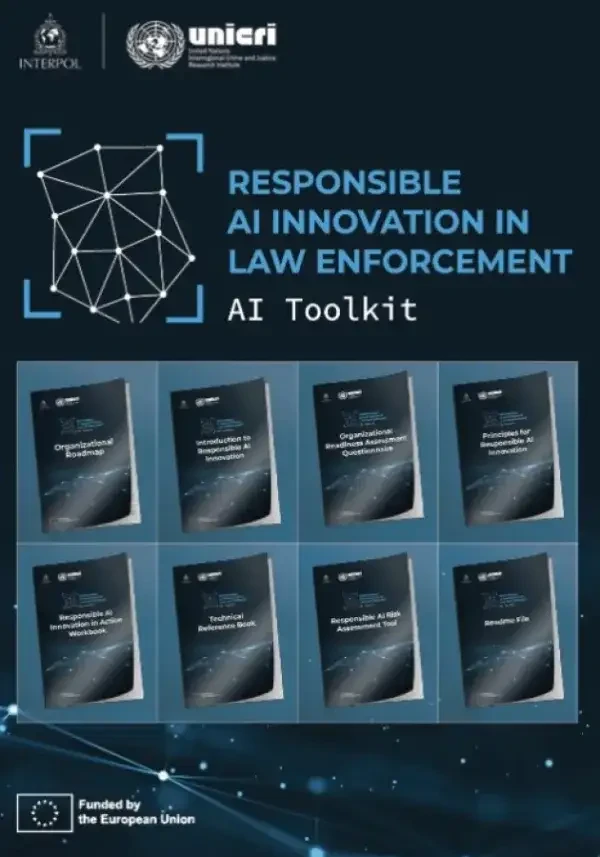
Cansu holds a Ph.D. in philosophy with a focus on applied ethics. She advises Fortune 500 companies and serves on the World Health Organization's Technical Advisory Group on AI for Health in Europe. She co-developed the Toolkit for Responsible AI Innovation in Law Enforcement for UNICRI and INTERPOL and works with the World Economic Forum's AI Governance Alliance. She is also the founding editor of the journal AI & Ethics.
A two-time TEDx speaker, Cansu has given over 150 talks on AI ethics, including keynotes at Harvard Business School, the U.S. Department of Justice, and her TEDxCambridge talk How to Solve AI’s Ethical Puzzles. She was listed among the “30 Influential Women Advancing AI in Boston” and the original “100 Brilliant Women in AI Ethics”, nominated for the VentureBeat’s “Women in AI”, Responsible AI Institute’s “Leadership in Responsible AI”, and AIMed’s “AI Champions in Healthcare” awards, and recognized with Mozilla’s Rise25 “Change Agent” award.
Through her work with computer scientists, philosophers, and legal scholars, Cansu helps organizations move beyond abstract ethical principles to practical implementation. Her research-based approach addresses real-world challenges in AI development, from healthcare applications to law enforcement systems. She translates complex ethical frameworks into actionable strategies that organizations can apply immediately to their AI projects and governance structures.
Audiences learn specific methods for identifying ethical risks in AI systems before they cause harm. Cansu provides frameworks for building accountability into AI development processes and demonstrates how ethical AI practices strengthen both innovation and business outcomes. Her presentations include concrete case studies from multiple industries.
Cansu brings proven expertise from advising global institutions and companies on turning AI ethics from theory into practice.
Topics, sessions and talks
In this session, Dr. Cansu Canca explores the growing role of AI in healthcare, emphasizing its impact on clinical decision-making, risk assessment, and personal wellness. She highlights the ethical implications of these technologies, drawing on her expertise at the intersection of ethics, health, and technology. Attendees will gain a nuanced understanding of the diverse ethical risks associated with AI in healthcare and learn strategic approaches to effectively address and mitigate these challenges, ensuring responsible and ethical AI deployment in the health sector.
Dr. Cansu Canca will highlight the increasing significance of AI governance at the board level, emphasizing the essential roles executives must take on to ensure ethical AI development. She will outline key questions boards should consider to align AI strategies with organizational values, manage risks, and foster long-term trust. Attendees will learn strategic tools to navigate governance challenges, enabling responsible AI integration that drives sustained innovation and competitive advantage.
Dr. Cansu Canca will discuss the ethical risks associated with AI technologies and the importance of a tailored responsible AI strategy for organizations. She will outline the three foundational pillars of an effective responsible AI framework: process, playbook, and people. Attendees will gain insights into embedding ethical decision-making throughout the innovation lifecycle and learn how to translate high-level ethical objectives into actionable steps in design and development, ensuring ethical considerations are integral to their organizational practices.
In this talk, Dr. Cansu Canca emphasizes the importance of investing in AI technologies while prioritizing responsible AI practices. She highlights the emerging risks associated with AI governance and ethical strategies that investors must evaluate. Drawing from her experience at the World Economic Forum, Cansu provides a framework for identifying and mitigating these risks, enabling decision-makers to create portfolios that balance financial returns with societal benefits. Attendees will learn how to foster innovation while ensuring trust and sustainability in their investments.
Dr. Cansu Canca discusses the growing use of AI technologies in law enforcement, from facial recognition for suspect identification to pattern analysis for financial crime detection. While these innovations promise improved efficiency in crime prevention, they also raise serious ethical concerns, including algorithmic bias and the risks of extensive surveillance. Drawing on her experience with the UN and INTERPOL, Cansu will highlight the ethical considerations in AI policing and provide insights on developing public safety technologies responsibly, ensuring social justice. Attendees will learn how to balance innovation with ethical responsibility in law enforcement.
Cansu's work advising Fortune 500 companies and global institutions like the WHO gives her deep credibility on translating AI ethics into operational frameworks rather than abstract principles. Her research-based approach addresses the governance gaps many organizations face when scaling responsible AI across product teams and business units.
Featured Projects

often considered together

Sandra Wachter
Artificial Intelligence
Big Data
Data and Privacy

Eleanor Drage
Artificial Intelligence
Data and Privacy
Gender Equality

Sue Black
Artificial Intelligence
Business Ethics
Innovation

frequently asked questions
Something we've not covered here?
Cansu Canca structures her presentations around a three-pillar framework (process, playbook, and people) and supports this with concrete case studies drawn from multiple industries, translating ethical principles into steps applicable to AI design and governance.
Dr. Cansu Canca speaks on AI ethics in healthcare, AI governance at board and executive level, and responsible AI strategy and implementation frameworks. She founded AI Ethics Lab in 2017, serves as Director of Responsible AI Practice at Northeastern University, advises Fortune 500 companies, sits on the WHO's Technical Advisory Group on AI for Health in Europe, and co-developed the Toolkit for Responsible AI Innovation in Law Enforcement for UNICRI and INTERPOL.
No, PepTalk doesn't charge a booking fee. You pay the speaker's fee plus any travel and expenses, which PepTalk confirms upfront in your quote. The shortlist, contracting and event-day logistics are included. For repeat or multi-event bookings, PepTalk can agree preferential rates with your procurement team.
PepTalk sends a shortlist of matched speakers within 24 hours, each with a profile, a fee and a recommendation on the strongest fit. The more you share about your date, audience, format, objectives and budget, the closer the match. Once you choose, PepTalk handles the contract, travel and logistics through to event day.
The typical fee range on a PepTalk speaker profile is a guide to what that speaker usually costs for an in-person event in their home market, shown in their local currency. The final fee depends on format, location, date and session length. Virtual and shorter sessions usually cost less, and international travel and peak dates cost more. PepTalk confirms the exact fee in your currency once it has your brief.
No. PepTalk represents 15,000+ speakers, hosts, comedians and entertainers, some booked directly and others through their agents and agencies worldwide. The process is the same for all of them: PepTalk checks availability, negotiates the fee and manages the contract and logistics.
Book a speaker three to six months before your event. Allow 12 months for large conferences, peak-season dates or a specific in-demand name. PepTalk also fills last-minute and replacement bookings, often within days, so get in touch as soon as you have a date, even at short notice.

