Leading Teams of AI Agents: The Leadership Topic for 2027
Anthropic's agents now log 6x their staff's hours. Why leading AI agent teams is 2027's big leadership topic, with Sharon Gai and more.


H2 link
Tell us about your event and we'll match you with the right person for your audience.
Trusted by 3k+ event planners
Recommended experts

Leading teams of AI agents is moving from an engineering concern to a mainstream management skill, and it's shaping up to be the leading with AI topic of 2027. When an individual contributor can direct ten or twenty AI agents without a single human report, every organisation needs a view on how that work gets delegated, checked and owned.
The clearest evidence so far comes from inside an AI company. On October 16th, 2026, the Anthropic Institute published How employment is changing at Anthropic, a study of what happened to work once its own staff built their days around Claude agents. The findings read like a brief for your next leadership summit.
What does leading a team of AI agents involve?
Leading a team of AI agents means setting the goal, deciding what each agent can do on its own, reviewing what comes back and staying accountable for the result. It draws on the same skills as managing people, delegation, feedback and judgement, applied to a workforce that never clocks off and produces more output than any one person can read.
That volume is where most of the difficulty sits. An agent can work continuously, but it still needs a human to grant access, settle an ambiguous call or sign off a finished task. Multiply that across a dozen agents and the manager becomes the bottleneck.
What did Anthropic's report find about managing AI agents?
Anthropic found that by August 2026, AI agents directed by its employees were logging six hours of work for every hour worked by their human handlers, and that human attention had become the main constraint on output. Staff spent more time coordinating, reviewing and deciding, and less time producing work directly.
The detail is what makes it useful for anyone planning leadership content:
- Agents spent around 80% of interactive session time idle, waiting for a human to respond.
- In an April 2026 survey, 20% of employees described their role shifting from doing the work to managing Claude.
- Meta-work, such as writing instructions for agents, monitoring pipelines and having one agent review another, rose from 10% of the average employee's Claude sessions in autumn 2025 to 22% in spring 2026.
- The median employee spent 20% more time in meetings than a year earlier.
- Hiring managers put more weight on candidates' autonomy and judgement, and less on narrow technical expertise.
- The share of junior technical hires fell from 27% to 9%.
One engineer compared the experience to babysitting, with every agent asking for attention at the same urgency whether the problem is trivial or serious. Another wrote a performance review for their team of agents. The report is clear that Anthropic is an unusual case, and agent runtime and human working hours measure different things. The direction of travel still holds for any organisation scaling up its use of agents.
The report also flags a workplace culture shift. Decisions made in unrecorded meetings leave agents working from stale context, so leaders are under pressure to make their decisions visible.
Why does managing AI agents belong on the leadership agenda?
Managing AI agents belongs on the leadership agenda because it changes who manages, what managing involves and how organisations are structured. Management used to arrive with seniority. Now an individual contributor can direct a fleet of agents with none of the training a first-time people manager would get.
Sharon Gai describes the shift as moving from busy bee to beekeeper. Agents route information, report progress and draft the work, while people set direction and make the consequential calls. The traditional org chart shows who reports to whom, and it says nothing about which agents do what or who checks their decisions. Leaders need a second map.
Then there's the people side. Anthropic's report links heavy agent use to fewer junior technical hires, which raises a question every L&D and HR team will face: how do early-career staff build expertise when agents handle the entry-level tasks they used to learn on? We've looked at a related problem in why teams break under AI.
What should a keynote on leading teams of AI agents cover?
A strong keynote on leading teams of AI agents covers delegation, oversight and organisational design, with takeaways a manager can apply the following week. The best sessions bring the audience's own workflows into the room and treat agent management as a leadership skill to practise.
- Span of control: how many agents one person can realistically supervise, and where human attention runs out.
- Delegation and autonomy: what agents can do unsupervised, and which decisions always need a human.
- Reviewing output: building checks so leaders aren't reading everything an agent produces.
- Working in the open: documenting decisions so agents work from current context.
- Hiring and development: what judgement looks like in a candidate, and how juniors grow when agents do the groundwork.
- Org design: mapping work across people and agents, and redrawing reporting lines to match.
» Explore: Leading with AI speakers
Pair the keynote with a session from one of our workshop facilitators and the ideas stick. We've made the case for that in AI leadership events need a Monday-morning rehearsal.
Who are the best speakers on leading teams of AI agents?
These four speakers cover agent management head-on, from org design and engineering delivery to the human side of adoption. For a wider shortlist, browse PepTalk's artificial intelligence speakers and future of work speakers.

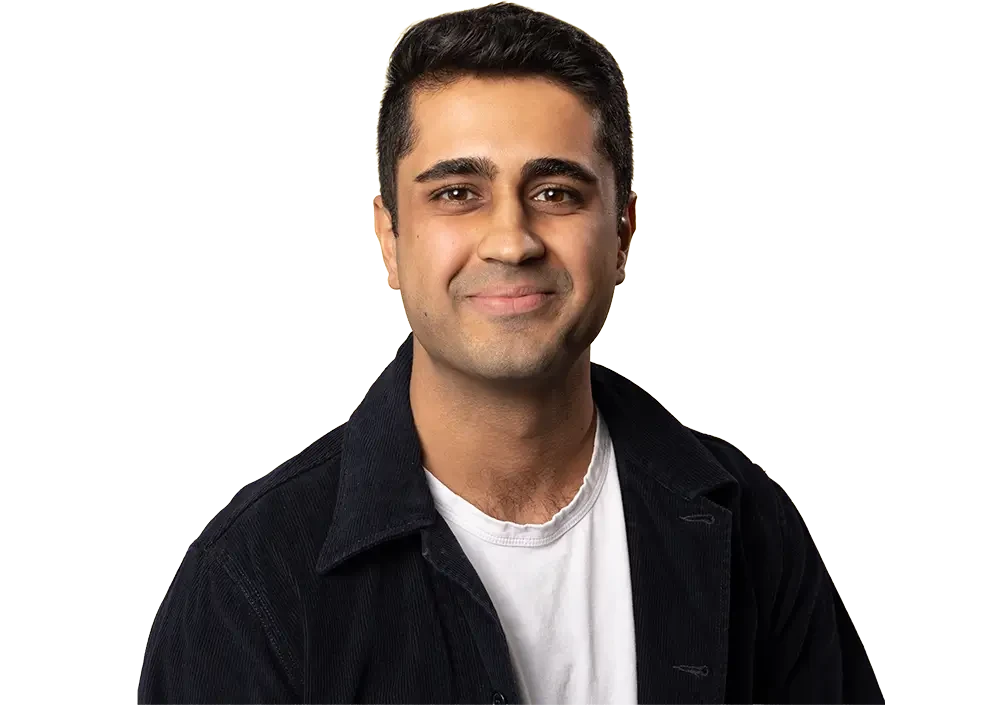
Sharon Gai
Book Sharon for
Redesigning the org chart for a workforce where agents handle execution.
Sharon Gai is a former Alibaba executive, AI and e-commerce strategist and Wiley author, and she's writing about agent management as it happens. Her Culture Fluid newsletter has picked apart Anthropic's report through her own Agent Management Theory, asking how many agents one person can supervise and what span of control means when the direct reports are software.
Her CEO-level keynote, How To Do More With Less: Future-Proofing In The Age Of AI, moves leaders from task-based org charts to capability-based structures. It helps them decide which roles to automate, augment or elevate, how to redesign reporting lines when AI handles execution, and where to focus human talent on judgement, strategy and trust. Clients include LVMH, Nestlé and Walmart.
Learn more and book Sharon Gai →
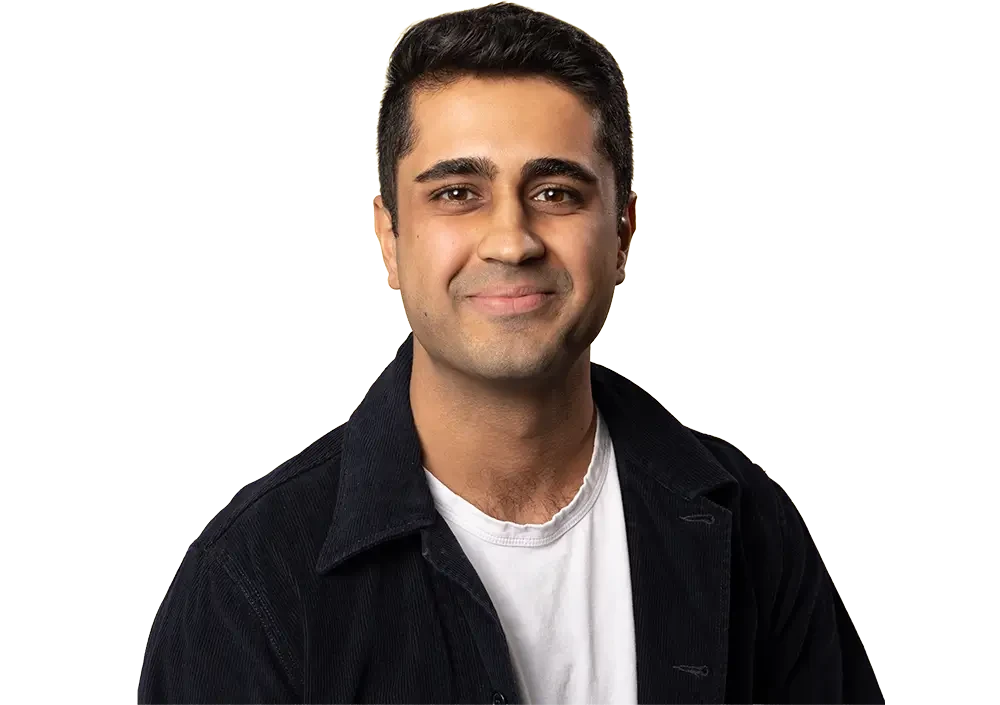
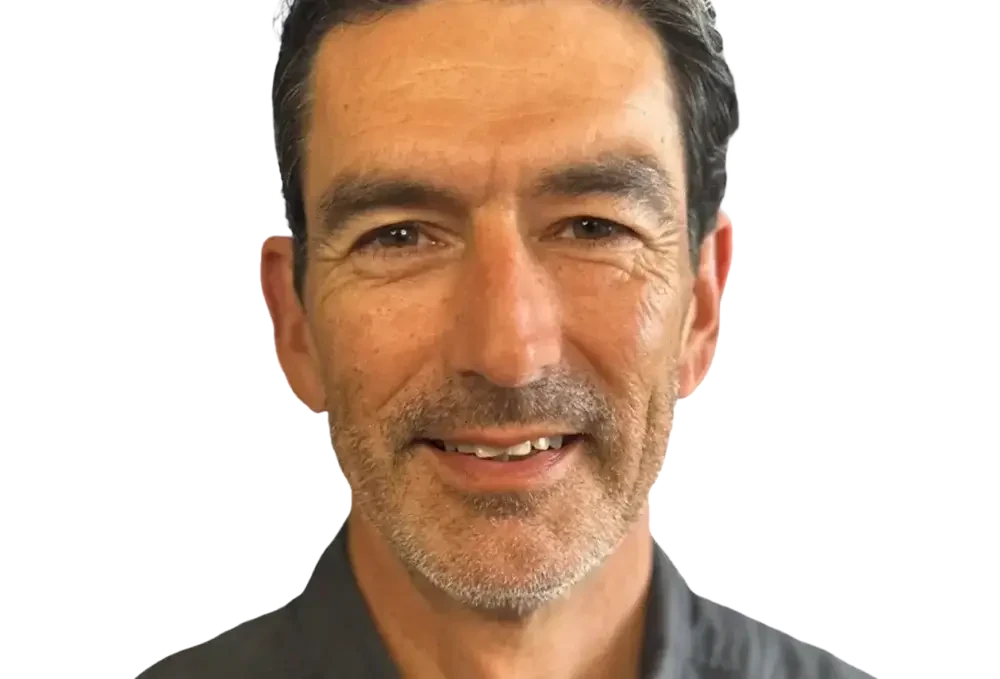
Arman Hezarkhani
Book Arman for
Moving AI from pilot to production, with teams built to deliver at speed.
Arman Hezarkhani is the co-founder and managing partner of Tenex and an early partner to Anthropic and OpenAI on enterprise AI adoption. He previously helped Google scale its Cloud and AI platforms to millions of developers, founded the venture-backed fintech Parthean, and taught computer science as an adjunct professor at Carnegie Mellon University.
Where other speakers frame the leadership question, Arman brings the view from inside the build. His engineering team at Tenex ships production software several times faster than a typical development team, and he uses that work to explain what breaks when companies move AI from pilot to production. Audiences leave with a keener eye for AI opportunities in their own business and a framework for building teams that deliver AI work with speed and confidence. It's the right booking for technical leaders and Fortune 500 teams past the experimentation stage.
Learn more and book Arman Hezarkhani →
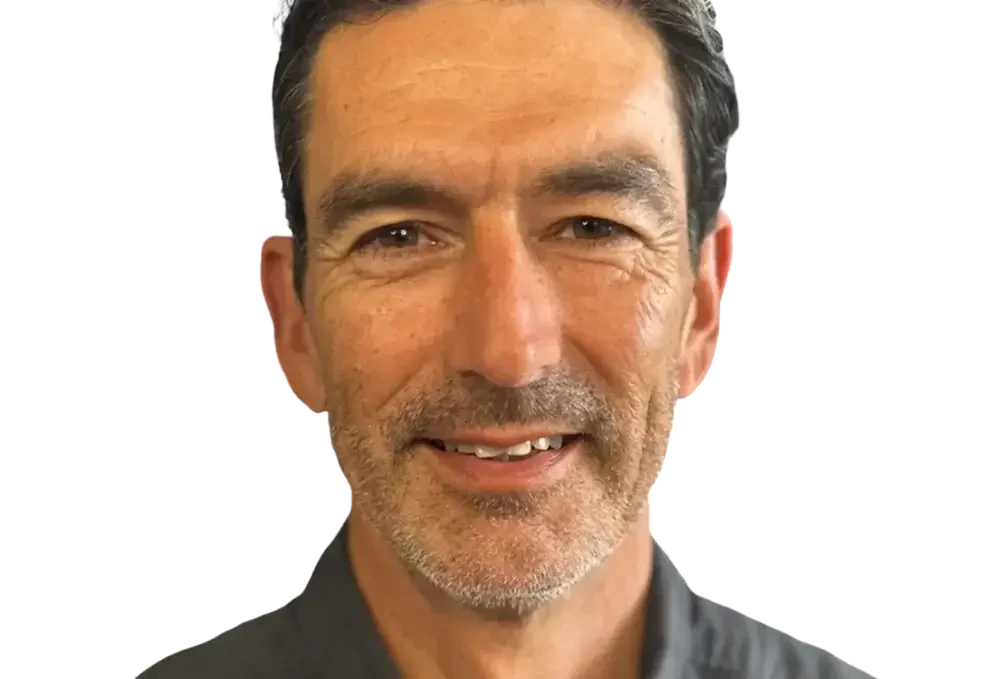
Al Adamsen
Book Al for
Deciding where agents add value and where people stay in charge.
Al Adamsen is the founder of Adaptive Futures and a future of work and AI workforce advisor whose sessions draw on research from The Future of Work Project. He works with leaders who have the technology in place and now need the workforce design to match.
His keynote, AI-Enabled Transformation And Human Agency, moves the conversation from adoption to design. He shows teams how to decide where AI adds value and where people stay in charge, building cultures where automation sits alongside empathy, critical judgement and strategic alignment. It's a strong fit for HR and L&D audiences who own the people side of an AI rollout and the change management that comes with it. Clients include Apple, Cisco and IBM.
Learn more and book Al Adamsen →
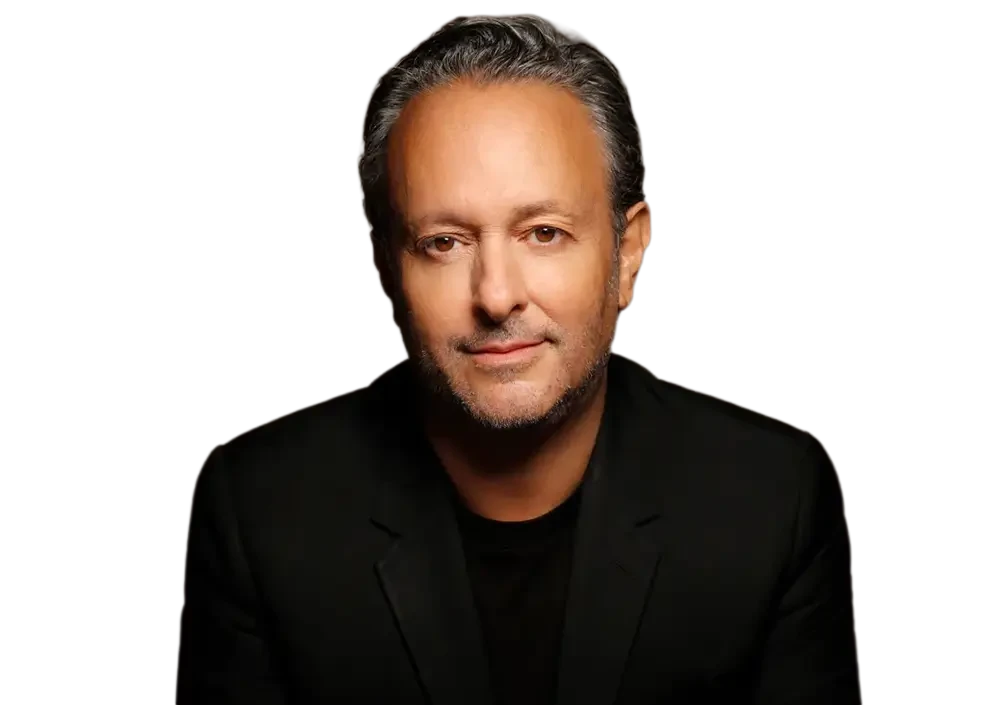
Terence Mauri
Book Terence for
Helping senior leaders unlearn management habits as AI moves in.
Terence Mauri is a leadership, AI and disruption strategist, MIT mentor and Thinkers50-recognised speaker. He works with executive teams on what leadership looks like once AI changes how work gets done.
In The Upside Of Disruption, he reframes the rise of AI as a leadership opportunity, with a focus on courage, unlearning and trust. For senior teams who built their careers supervising people, unlearning is the hard part of managing agents, and Terence gives them the language to start. He also speaks on Next Era Leadership. Clients include Google, HSBC and Pfizer.
Learn more and book Terence Mauri →
More speakers on leadership in the age of AI
These speakers cover the wider leadership, ethics and change questions that sit around agent management.
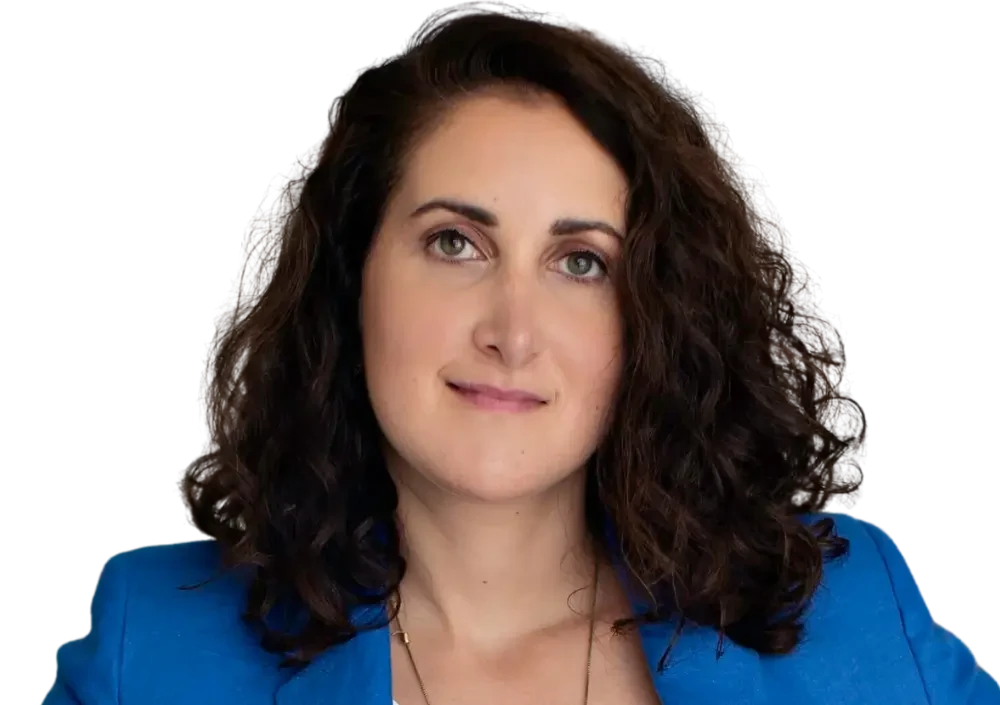
Rahaf Harfoush
Digital anthropologist and future of work expert Rahaf Harfoush examines how AI, algorithms and automation reshape work, with a focus on AI ethics, bias and responsible use. Her session Leadership Strategies For An Era Of Disruption suits audiences deciding how much autonomy to hand over.
Learn more and book Rahaf Harfoush →
Blaire Palmer
Change expert and leadership development coach Blaire Palmer makes the case for personal leadership over traditional hierarchy in Punks in Suits, equipping every employee to act as a leader. With individual contributors now directing agents, it's a timely session for organisations rethinking who leads.
Learn more and book Blaire Palmer →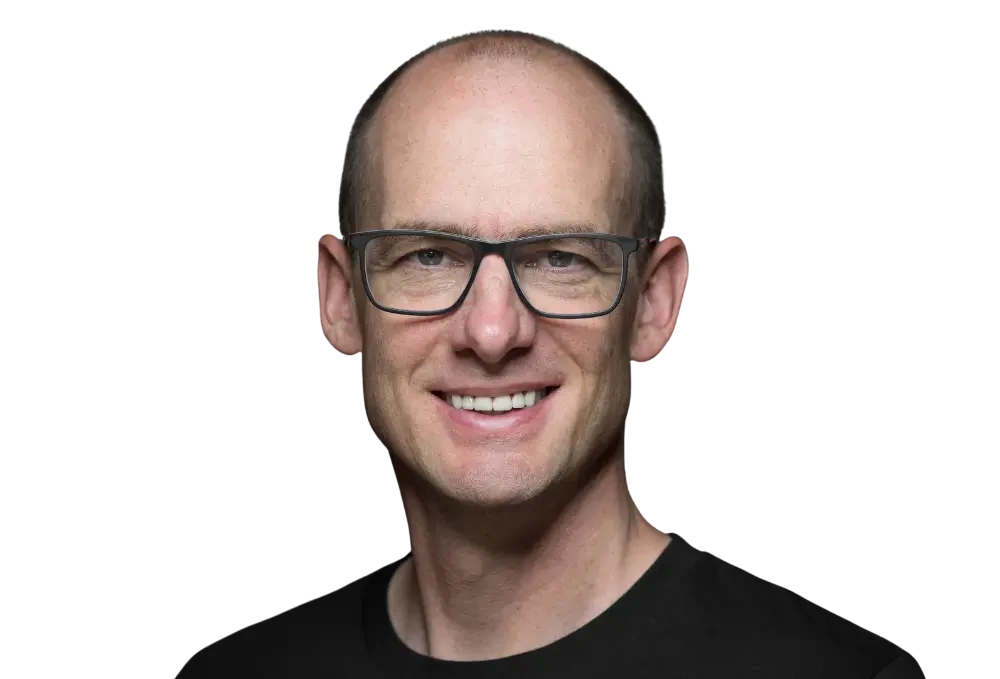
Dr Martin Gutmann
Leadership professor and 2026 Thinkers50 Radar name Martin Gutmann explains why uncertainty is the reason organisations need leaders at all. His keynote Effective Leadership In An Uncertain World gives senior teams three balances for leading through disruption, including vision balanced with attention to the mundane.
Learn more and book Dr Martin Gutmann →Frequently Asked Questions
What is a keynote on leading teams of AI agents?
A keynote on leading teams of AI agents helps managers delegate to, oversee and stay accountable for AI agents doing real work. It covers how much autonomy to give agents, how to review their output, and how roles and org structures change when people direct agents as well as colleagues.
Who should attend a session on managing AI agents?
A session on managing AI agents suits senior leadership teams, people managers and individual contributors who already use AI tools every day. HR and L&D teams benefit too, since hiring criteria and early-career development are shifting as agents take on entry-level tasks.
What did Anthropic's employment report find about AI agents?
Anthropic's employment report, published on October 16th, 2026, found that AI agents directed by its employees logged six times as many hours as their human handlers by August 2026. Agents spent around 80% of interactive session time waiting for human input, and 20% of surveyed staff said their role had shifted toward managing Claude.
Which PepTalk speakers cover leading teams of AI agents?
PepTalk speakers who cover leading teams of AI agents include Sharon Gai, Arman Hezarkhani, Al Adamsen and Terence Mauri, with Rahaf Harfoush, Blaire Palmer and Dr Martin Gutmann covering the wider leadership and change questions. PepTalk can shortlist others to fit your audience and budget.
Interested in booking Sharon Gai, Arman Hezarkhani, Al Adamsen or Terence Mauri for your 2027 leadership programme? Get in touch with the PepTalk team and we'll scope the right format and a quote for your audience. Remember, it's always a good time to get a PepTalk!
Lloyd Salmons
Read more from Lloyd Salmons
Lloyd Salmons, PepTalk co-founder, has a background in establishing EMI Music International's new media marketing network and founding Outside Line, a digital agency. He also serves as an advisor and board member for various growing tech companies in the US and UK.
Tell us about your event and we'll match you with the right person for your audience.
Trusted by 5k+ event planners
Similar Articles







Tell us about your event. We'll find the right voice.
Get expert recommendations matched to your brief, your audience, and your budget.