
Available to book
Daniel Strode
Daniel Strode helps organisations navigate AI transformation without losing their human core. An adjunct professor at IE University and author of four books, he serves clients including ABB, NielsenIQ, and AECOM as a leading AI keynote speaker and leadership culture expert.

Daniel Strode is an author, leadership strategist, and AI expert who helps organisations reshape culture and leadership as technology transforms the way people work and make decisions.
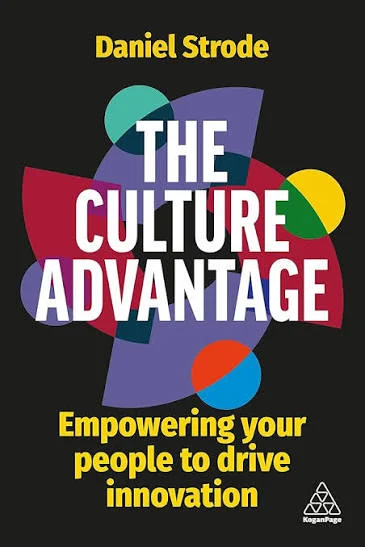
As an adjunct professor at IE University Business School in Madrid, Daniel combines academic insight with practical leadership experience. He led the global culture transformation at Santander, supporting 220,000 employees across 32 countries through its shift to a digital banking model. He is the author of four books, including The Quiet Reckoning and The Culture Advantage.
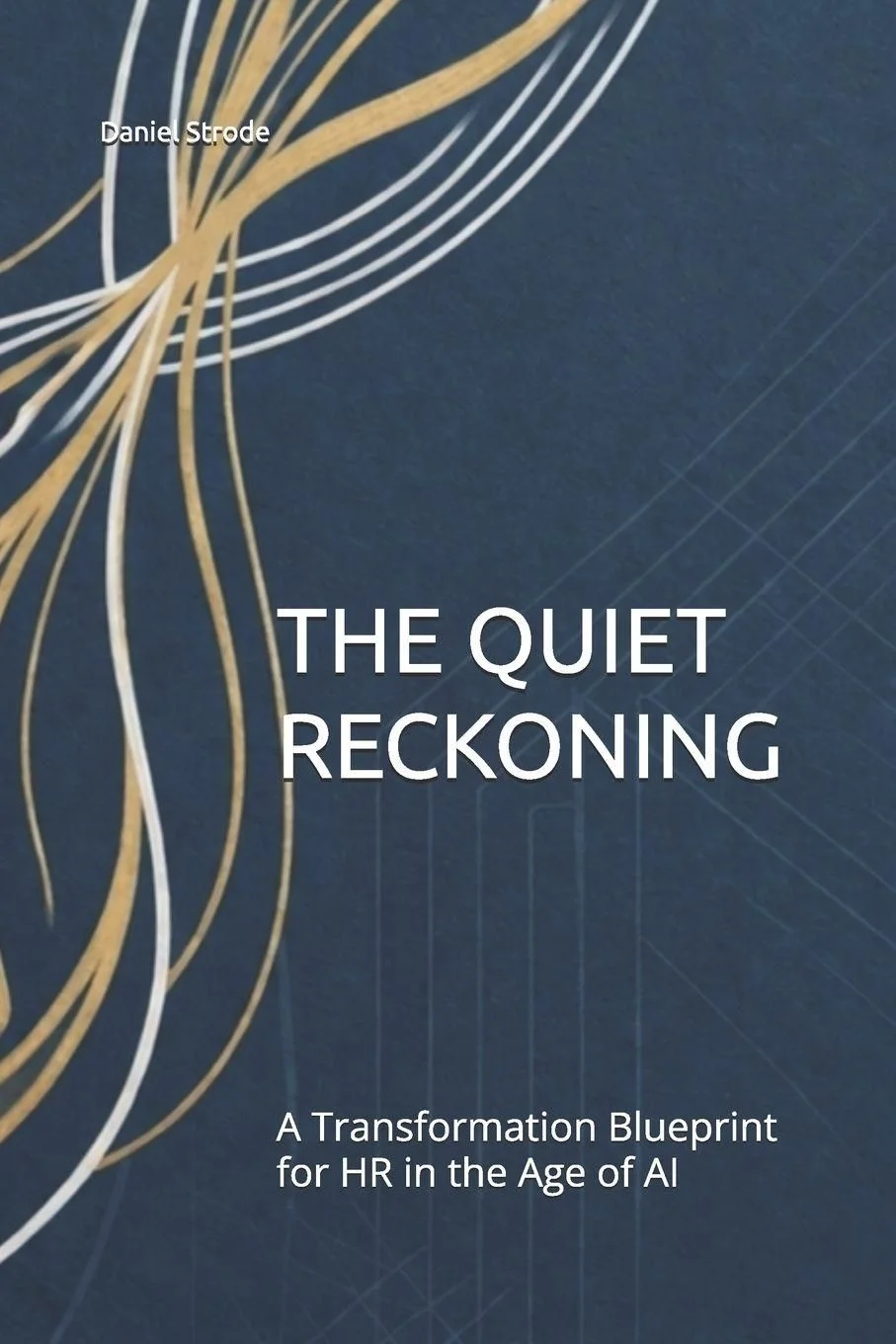
Daniel's work focuses on the gap between strategy and behaviour, showing organisations why transformation programmes often fail and how leaders can create lasting change. Drawing on experience advising executive teams and delivering programmes worldwide, he helps leaders respond to AI by redesigning work, strengthening trust, developing capability, and building cultures that support innovation. His signature framework, The Quiet Reckoning, identifies five shifts that AI is forcing on every leader and every HR function, whether they notice or not.
Audiences leave with a clearer understanding of how AI is changing leadership and HR, practical tools for embedding culture into business strategy, and simple ways to improve decision-making, innovation, and organisational performance. Daniel equips leaders with approaches they can apply immediately within complex organisations.
For businesses preparing leaders, strengthening culture, or navigating AI-driven change, Daniel brings practical experience that translates directly into business action.
Topics, sessions and talks
Daniel Strode argues that AI isn't threatening HR but revealing what it was always meant to be. As automation absorbs administrative work, HR leaders must evolve across five dimensions: from process owners to work designers, service providers to strategic interpreters, policy enforcers to trust architects, training coordinators to developmental debt owners, and compliance functions to culture stewards. Attendees will leave with a clear map of these five shifts, language to articulate AI's impact on their roles, and one concrete next move.
Daniel Strode argues that AI doesn't change what leadership is; it reveals whether you were actually doing it. In this session, he walks through five critical shifts every leader must make, from Work Delegator to Work Designer, and from Tool Adopter to Culture Steward. The work that used to fill the day is disappearing, and what remains is the work only you can do. Attendees will leave with a personal diagnostic across all five shifts and a clearer sense of where their leadership attention belongs right now.
Testimonials
Featured Projects


often considered together

Javier Bajer
Effective Leadership
High Performance
Leadership Development

Erica Farmer
Artificial Intelligence
Future of Work
Leadership Development

Jennifer Bryan
Change Management
Transformational Leadership
Leading with AI

frequently asked questions
Something we've not covered here?
Daniel Strode structures his sessions around a five-shift diagnostic framework drawn from his book The Quiet Reckoning, which maps the transitions AI forces on leaders and HR functions — such as from Work Delegator to Work Designer and from Policy Enforcer to Trust Architect. Attendees receive a personal diagnostic tool to assess their position across all five shifts and identify one concrete next action.
Daniel Strode speaks on AI's impact on leadership and HR, the five shifts redefining how leaders and HR functions must operate as automation absorbs administrative work, and the relationship between organisational culture and lasting transformation. He led the global culture transformation at Santander across 220,000 employees in 32 countries and is the author of four books, including The Quiet Reckoning, while serving as an adjunct professor at IE University Business School in Madrid.
No, PepTalk doesn't charge a booking fee. You pay the speaker's fee plus any travel and expenses, which PepTalk confirms upfront in your quote. The shortlist, contracting and event-day logistics are included. For repeat or multi-event bookings, PepTalk can agree preferential rates with your procurement team.
PepTalk sends a shortlist of matched speakers within 24 hours, each with a profile, a fee and a recommendation on the strongest fit. The more you share about your date, audience, format, objectives and budget, the closer the match. Once you choose, PepTalk handles the contract, travel and logistics through to event day.
The typical fee range on a PepTalk speaker profile is a guide to what that speaker usually costs for an in-person event in their home market, shown in their local currency. The final fee depends on format, location, date and session length. Virtual and shorter sessions usually cost less, and international travel and peak dates cost more. PepTalk confirms the exact fee in your currency once it has your brief.
No. PepTalk represents 15,000+ speakers, hosts, comedians and entertainers, some booked directly and others through their agents and agencies worldwide. The process is the same for all of them: PepTalk checks availability, negotiates the fee and manages the contract and logistics.
Book a speaker three to six months before your event. Allow 12 months for large conferences, peak-season dates or a specific in-demand name. PepTalk also fills last-minute and replacement bookings, often within days, so get in touch as soon as you have a date, even at short notice.

