Self promotion used to mean a polished show reel and a publicist on retainer. Now it means a phone, decent light and the nerve to hit record. For speakers building a platform, short-form video has become the fastest way to prove you're worth booking, often before a client has read a word of your one-sheet.
Why Short-Form Video Works So Well For Self Promotion
Short-form videos routinely see engagement rates around 2.5 times higher than long-form content, and the reasons line up with how people actually watch now.
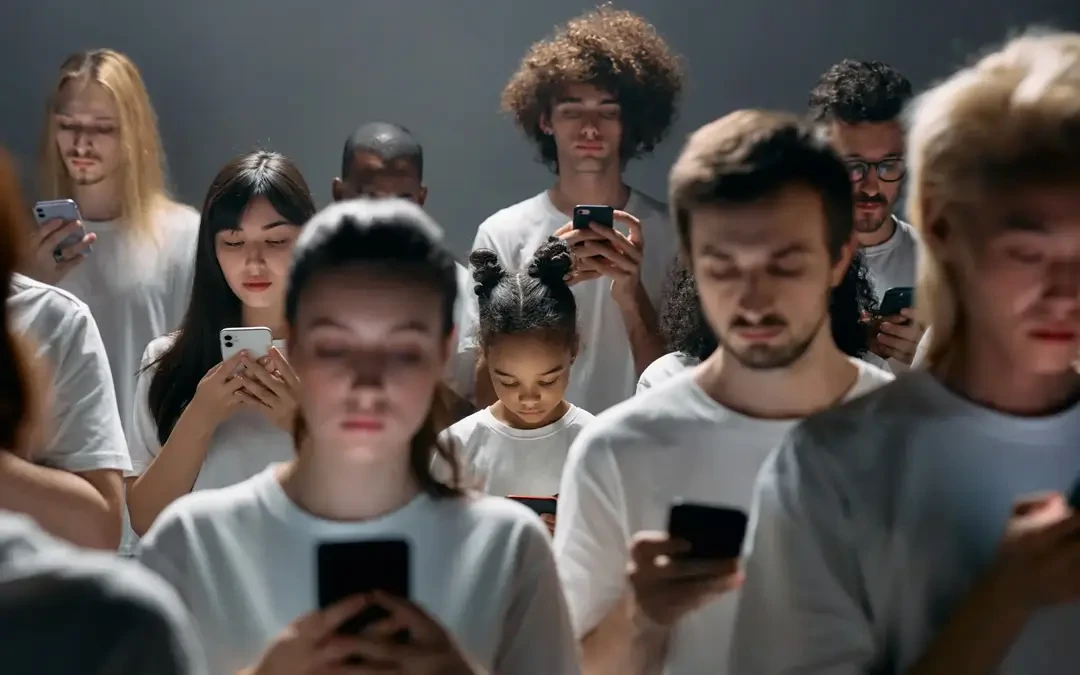
They're snackable. Attention spans are short and getting shorter. A 30-second video delivers a complete idea before anyone thinks to scroll past.
They're visually engaging. Fast-paced editing, bold captions and a confident presenter hold attention far better than a wall of text.
They drive interaction. Viewers like, comment and share in the moment, building the kind of visibility a static bio page never will.
They're highly shareable. Built for personal branding platforms like Instagram Reels, TikTok and LinkedIn, they travel further and faster than almost any other content format.
They showcase you. For a motivational speaker, video is the closest a stranger gets to experiencing your stage presence before they book you. It shows expertise, personality and delivery in a matter of seconds.
How PepTalk Speakers Use Short-Form Video For Self Promotion
The theory only matters if it works in practice, and several PepTalk speakers show exactly how.
Alex Lieberman, co-founder of Morning Brew and a serial entrepreneur, built much of his audience through short, punchy business and media commentary. Each video carries one idea, delivered fast, with none of the padding a longer format would allow.
Lucy Werner, a PR strategist and personal branding expert, teaches creative entrepreneurs how to build visibility and credibility without a traditional PR budget. Short-form video sits at the centre of that approach, the cheapest and most direct route to an audience that once required a press contact list.
Kirsty Hulse, an award-winning keynote speaker on confidence and influence trusted by teams at LinkedIn, Amazon and Spotify, uses video to demonstrate the exact presence she coaches others to build. Watching her on camera does more to sell her keynote than any written description could.
Between them, Alex, Lucy and Kirsty show why short-form video matters for a speaker's self promotion: it's become one of the main ways clients decide who to book, often before they read a full bio.
How To Create A Standout Short-Form Video For Self Promotion
Getting started doesn't need fancy kit or a production team. A few things matter more than the rest.
- Keep it brief – One idea per video. Say the thing and stop.
- Hook fast – The first two seconds decide whether anyone stays. Open with the point, not the preamble.
- Speak to one person – Film as if you're talking to a single viewer, not addressing a crowd.
- Caption everything – Most viewers watch with the sound off.
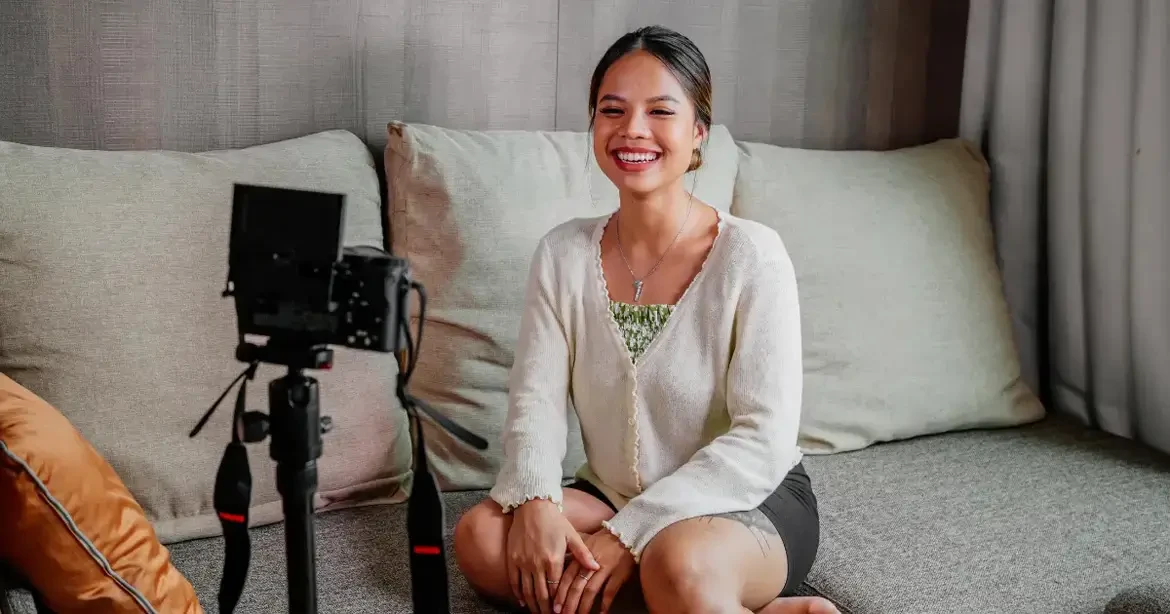
- Use a simple setup – A phone, natural light and a clean background beat expensive equipment every time.
- Post consistently – Regular, imperfect videos outperform occasional, polished ones.
This pairs well with a wider strategy. Our piece on promoting your keynote speaking offer covers the other channels worth building alongside video, and TikTokification: Is LinkedIn Becoming TikTok? looks at how the short-form format is reshaping even the most professional platforms.
Frequently Asked Questions
How long should a self-promotion video be?
A self-promotion video should usually run between 15 and 60 seconds: long enough to make one point properly, short enough that nobody scrolls away before it lands.
Do I need professional equipment to start making short-form videos?
You don't need professional equipment to start making short-form videos. A smartphone, natural light and a quiet background are enough for almost every platform. Production value matters far less than a clear, confident point.
How often should speakers post short-form video?
Speakers should post two or three short-form videos a week, sustained over months. Consistency beats volume, and that steady rhythm does more for visibility than a short burst of daily posts that stops after a fortnight.
Which platform should speakers start with for short-form video?
Speakers should start with whichever platform their target audience already uses. Corporate bookers tend to be more active on LinkedIn and Instagram, while TikTok reaches a younger, broader audience. Many speakers post the same video to all three with minor edits.
Interested in booking Alex Lieberman, Lucy Werner or Kirsty Hulse for your next event? Send us a message and we'll scope the right format and a quote for your audience. Remember, it's always a good time to get a PepTalk!