
Available to book
Drive workplace equality and challenge systemic bias with Laura Bates, leading expert in gender inclusion and diversity. Laura partners with organisations worldwide to implement practical harassment prevention strategies, foster inclusive cultures, and address algorithmic bias in AI systems. Fellow of the Royal Society of Literature who has advised the UN, British Transport Police, and Fortune 500 companies.
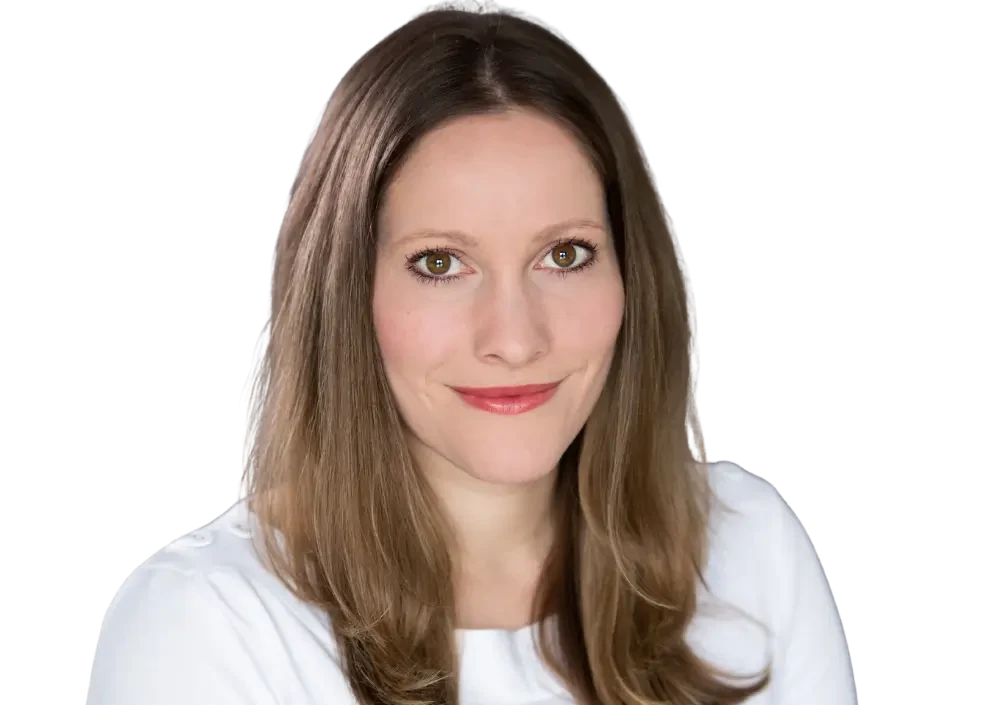
Laura Bates is a feminist activist, bestselling author, and founder of the Everyday Sexism Project. Her work has shaped international conversations about gender equality, workplace culture, online misogyny, and the social impact of emerging technologies. Laura founded the Everyday Sexism Project in 2012 as a platform for people to share their experiences of gender inequality. What began as a small digital initiative quickly grew into a global movement, collecting more than 200,000 testimonies and informing work with organisations ranging from the United Nations to the Council of Europe.
A prolific writer and commentator, she is the author of nine books, including Everyday Sexism, shortlisted for both Waterstones Book of the Year and the Political Book Awards. Laura is a Fellow of the Royal Society of Literature, Vice President of the Hay Festival, and an honorary fellow of St John’s College, Cambridge. She has received a British Empire Medal for services to gender equality and has been recognised on the BBC 100 Women list and the Woman's Hour Power List. Her work has also included advising government departments, contributing evidence to parliamentary inquiries, and collaborating with organisations such as the British Transport Police.
Laura helps organisations understand how gender inequality directly impacts business performance, employee retention, and company culture. Her research into workplace harassment, algorithmic bias in emerging technologies, and extremist misogyny provides practical frameworks for creating more equitable environments. Audiences leave her presentations with concrete strategies for tackling workplace discrimination, understanding the risks of AI bias in hiring and operations, and recognising warning signs of online radicalisation among young people. They gain practical tools for bystander intervention and creating inclusive cultures that enhance both productivity and employee wellbeing. Laura brings rigorous research, real-world impact, and actionable solutions to organisations ready to move beyond awareness towards meaningful change.
Topics, sessions and talks
In this session, Laura Bates explores the reality of gender inequality across our society and the ways in which it manifests itself in young people’s lives. She tackles issues such as intersecting injustice, media sexism, political inequality, gender stereotypes and sexual consent. Examining questions like ‘what is sexual harassment?’, Laura looks at how young people can play a vital role in creating a more equal future.
Laura Bates starts with a contextual framework of the wider picture of gender inequality across politics, media, STEM, culture and the scale of violence against women in our society, before zooming in to look at how these issues manifest themselves uniquely within the workplace, exploring the complexity of workplace harassment and discrimination, the ways it intersects with other forms of prejudice such as racism and homophobia and the barriers to reporting. Laura then highlights the business case for tackling the problem and suggests robust and actionable solutions from both an organisational and individual perspective.
In this session, Laura Bates focuses on what men can do to help when it comes to gender equality. Against a broader backdrop of societal gender imbalance, Laura explores the ways in which stereotypes and expectations present challenges to men as well as women. She deconstructs some of the myths and misconceptions that might prevent men from being part of positive change. Book this session for an active look at practical, positive action male allies can take to shift stereotypes, support survivors and create change in their own sphere.
Laura Bates takes your team on a journey inside the secretive online world of the ‘manosphere’, lifting the lid on over 2 years of undercover research, infiltrating communities from incels and men’s rights activists to pick up artists and ‘men going their own way’. In this comprehensive overview of this little-understood form of extremism, Laura shares a close examination of radicalisation and recruitment techniques, particularly impacting vulnerable young people, and some of the ways in which teachers, parents and law enforcement can recognise potential red flags and play a positive role in supporting young people who might be at risk.
Laura Bates examines the rapidly evolving world of artificial intelligence and emerging technologies through the lens of gender equality. Drawing on extensive research, she explores how algorithmic bias, deepfake technology, and digital platforms risk embedding existing inequalities into the foundations of future society. At the same time, she highlights the opportunities technology offers when developed responsibly, helping organisations understand how innovation can be harnessed without reinforcing prejudice.
Testimonials
Featured Projects
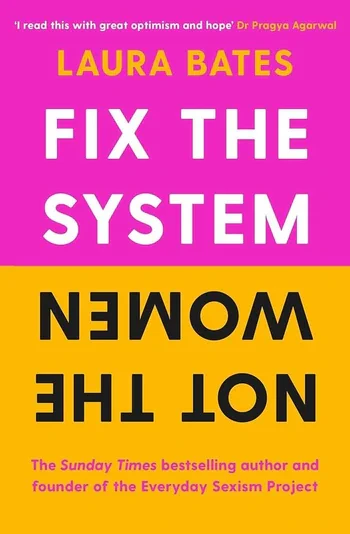
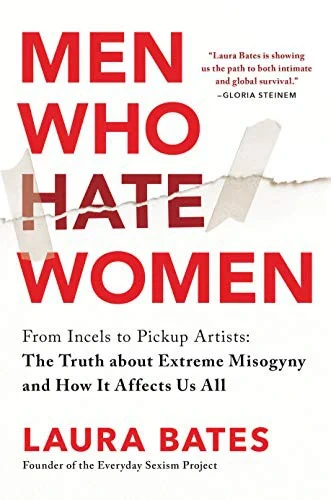

often considered together

Joeli Brearley
Gender Equality
Diversity and Inclusion
Future of Work
Catherine Mayer
Gender Equality
Politics
Government

Carrie Gracie
Gender Equality
Workplace Culture
Diversity and Inclusion

frequently asked questions
Something we've not covered here?
Laura Bates structures her sessions by opening with a macro-level framework — mapping gender inequality across politics, media, and culture — before narrowing focus to the specific context of her audience, whether that is the workplace, young people, or male allies. She draws on the 200,000-plus testimonies collected through the Everyday Sexism Project, alongside her research into workplace harassment and algorithmic bias, to ground her analysis in documented evidence and move audiences from awareness to actionable steps.
Laura Bates speaks on everyday sexism in schools, workplace equality and harassment, and male allyship in gender equity. She founded the Everyday Sexism Project in 2012, which has collected more than 200,000 testimonies and informed work with organisations including the United Nations and the Council of Europe, and she holds a British Empire Medal for services to gender equality.
No, PepTalk doesn't charge a booking fee. You pay the speaker's fee plus any travel and expenses, which PepTalk confirms upfront in your quote. The shortlist, contracting and event-day logistics are included. For repeat or multi-event bookings, PepTalk can agree preferential rates with your procurement team.
PepTalk sends a shortlist of matched speakers within 24 hours, each with a profile, a fee and a recommendation on the strongest fit. The more you share about your date, audience, format, objectives and budget, the closer the match. Once you choose, PepTalk handles the contract, travel and logistics through to event day.
The typical fee range on a PepTalk speaker profile is a guide to what that speaker usually costs for an in-person event in their home market, shown in their local currency. The final fee depends on format, location, date and session length. Virtual and shorter sessions usually cost less, and international travel and peak dates cost more. PepTalk confirms the exact fee in your currency once it has your brief.
No. PepTalk represents 15,000+ speakers, hosts, comedians and entertainers, some booked directly and others through their agents and agencies worldwide. The process is the same for all of them: PepTalk checks availability, negotiates the fee and manages the contract and logistics.
Book a speaker three to six months before your event. Allow 12 months for large conferences, peak-season dates or a specific in-demand name. PepTalk also fills last-minute and replacement bookings, often within days, so get in touch as soon as you have a date, even at short notice.

