Disability Pride Speakers: It's Time To Wave The Flag
In a world where diversity and inclusion are more critical than ever, Disability Pride Month and disability pride speakers are making waves.

H2 link
Tell us about your event and we'll match you with the right person for your audience.
Trusted by 3k+ event planners
Recommended experts
Disability Pride speakers are proving that now is the time to challenge outdated ideas about inclusion. Held every July, Disability Pride Month celebrates the unique contributions of people with disabilities and challenges old stereotypes. In this article, we explore how this growing movement reshapes our understanding of inclusion and paves the way for a fairer future.
The history of Disability Pride Month
Disability Pride Month has its roots in the Americans with Disabilities Act (ADA), signed into law on July 26, 1990. This groundbreaking legislation banned discrimination based on disability and mandated reasonable accommodations in areas such as employment, public services, and telecommunications. Disability Pride Month, held in July to honor ADA, serves as a reminder of the significant progress made since the ADA, instilling hope for the ongoing work needed to achieve true equality.
While many ADA accommodations are focused on physical disabilities, we can't forget hidden disabilities too. These can include, but aren't limited to, neurodivergent conditions, such as autism and ADHD, chronic illnesses and mental health conditions, such as depression and OCD.
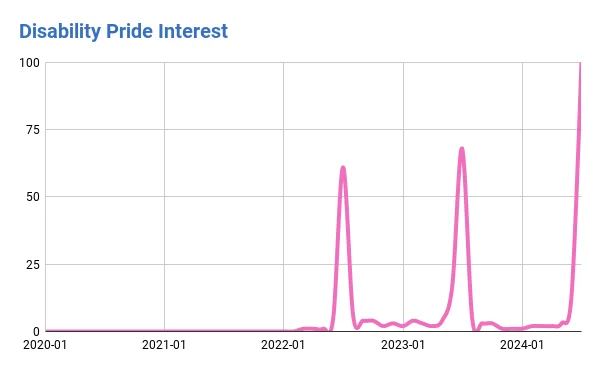
In recent years, the eagle-eyed amongst us have noticed a steady surge in mentions of Disability Pride Month on LinkedIn and beyond. Google search trend data shows consistent yearly growth in search volume, reflecting the increasing momentum and awareness of this important movement, and that momentum has continued into 2026.
Disability Pride: Nothing Without Us
Often used in policy, 'Nothing Without Us' is a principle that emphasizes the importance of including the full and direct participation of group members affected by a decision.
As Yolanda Vargas, a community leader, articulates in her article, "Let disabled people take the lead. Let disabled people define what disability pride is for themselves because it’s such an individualistic and internal thing."
Yolanda continues, "Barriers related to disabilities are often not cut and dry; many of them are attitudinal and generational. It takes real effort and hard conversations to help people unlearn those types of things."
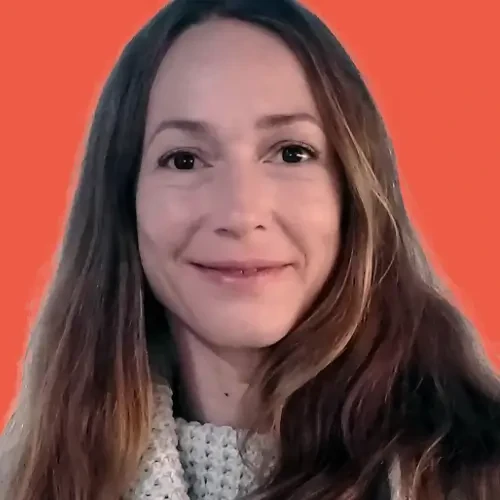
We asked our friend and expert speaker, Emily Goodson, for her thoughts:
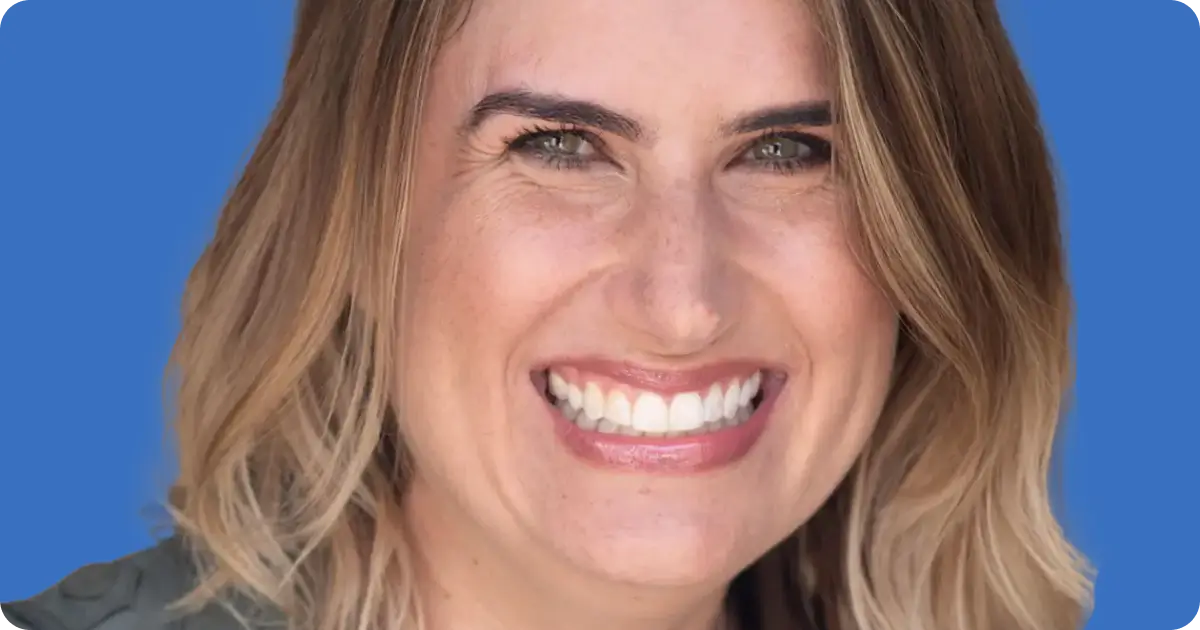
“Disability Pride month is important because of our community's beautiful diversity of voices. Disability intersects all races, gender identities, ages, sexual orientations, nationalities, and socio-economic statuses. When I was growing up, disability was not something that we talked about in many families, schools, or organizations — much less something we showed on TV or in film. Recognising Disability Pride Month is one of the ways we change that. There are so many stories that deserve platforms, and I am excited for them to be told.”
Emily is currently publishing her first book, Dating "Disability." It explores how the skills she’s learned from her lifelong physical disability, and how it could help all of us have stronger intimate relationships.
Sharing Disabled Voices and Disability Pride Stories
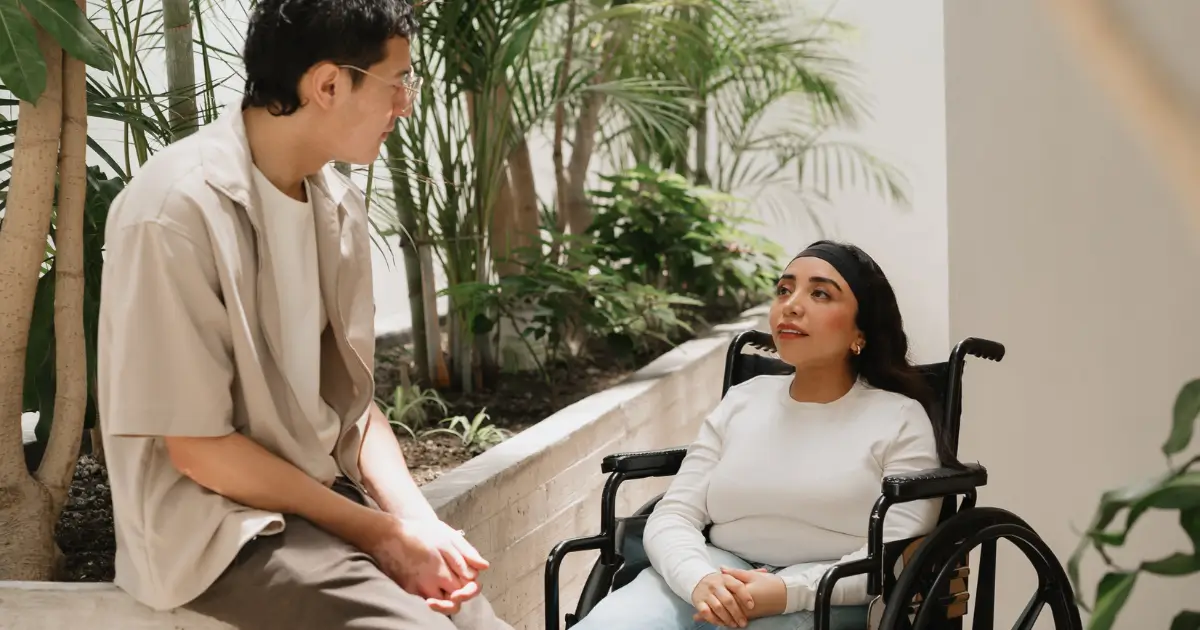
A 2024 Culture Amp report found ongoing disparities in career opportunities and leadership perceptions between disabled and non-disabled employees. This gap requires a fundamental shift towards genuine inclusion through continued reflection and transformative practices. This serves as a call to action for society to recognise the urgency and significance of Disability Pride Month, comprehend the challenges faced by these communities, and modify their perceptions and behaviors towards them.
Ironically, monthly observations are primarily designed for and made by people outside the groups they focus on. Reflecting on the principle of 'Nothing Without Us', Disability Pride Month is an opportunity to amplify the voices and stories of the disability community. Personal stories can make abstract ideas real and build empathy. Through social media, public speaking, and storytelling events, people with disabilities share their experiences, challenges, and victories. These stories are powerful tools for education and advocacy, helping to break down barriers and promote a more inclusive society. As Emily said, "When I was growing up, disability was not something that we talked about in many families, schools, or organisations — much less something we showed on TV or in film."
Emily recently had a virtual showcase with the PepTalk booking team and highlighted some essential insights to back up just why the working world needs to embrace the power of representation. Firstly, according to Deloitte (2024), employees with disabilities are 47% more confident they can achieve goals with visible role models. Secondly, when it comes to performance metrics, the difference in employee performance between non-diverse and diverse organizations is 12% (Gartner, 2019), ultimately impacting the bottom line.
"When I was growing up, disability was not something that we talked about in many families, schools, or organisations — much less something we showed on TV or in film."
— Emily Goodson
5 Meaningful Ways to Celebrate Disability Pride Month at Work
Disability Pride Month isn’t about performative gestures — it’s a chance to make real progress on inclusion. Here’s how to do that:
- Make accessibility the standard.
Audit your tech and spaces. Are your tools usable for people with visual, auditory, or cognitive disabilities? If not, consider upgrading with accessible technology, such as screen readers and captioning. Apply Universal Design principles to physical and digital environments to ensure they work well for everyone. - Elevate disabled voices.
Host speaker events or fireside chats with disabled employees, leaders, or external advocates. Give people space to share lived experiences, ask questions, and drive understanding. Compensate internal speakers for their time and insight. - Improve inclusive communication.
Update your language guidelines, train your teams, and integrate inclusive language into all internal and external communications. Normalize reminders and corrections, this is about progress, not perfection. Need help? Ettie Bailey-King is an expert trainer in the area of inclusive comms. - Support the disability economy.
Promote and partner with businesses owned by people with disabilities. Use directories like The Intentionalist and the U.S. Disability Chamber to find suppliers, vendors, or local shops, and encourage employees to do the same. - Recognize mental health as part of disability inclusion.
Offer mental health days and encourage leaders to use them too. It sends a clear signal that psychological well-being matters—and gives you a window into what more the workplace can do to support it. PepTalk has a fantastic line-up of expert voices to support your mental-health initiatives in the workplace
Top Disability Pride Speakers For Your Event
Alongside Emily, PepTalk has an incredible line-up of disability speakers and intersectional disability athletes, ready to share their stories with your team. Whether artists, athletes, scientists, or entrepreneurs, they’ve all made huge strides. By showcasing these successes, Disability Pride Month not only busts stereotypes but inspires others to see the potential in everyone, regardless of their abilities.
Mark Travis Rivera
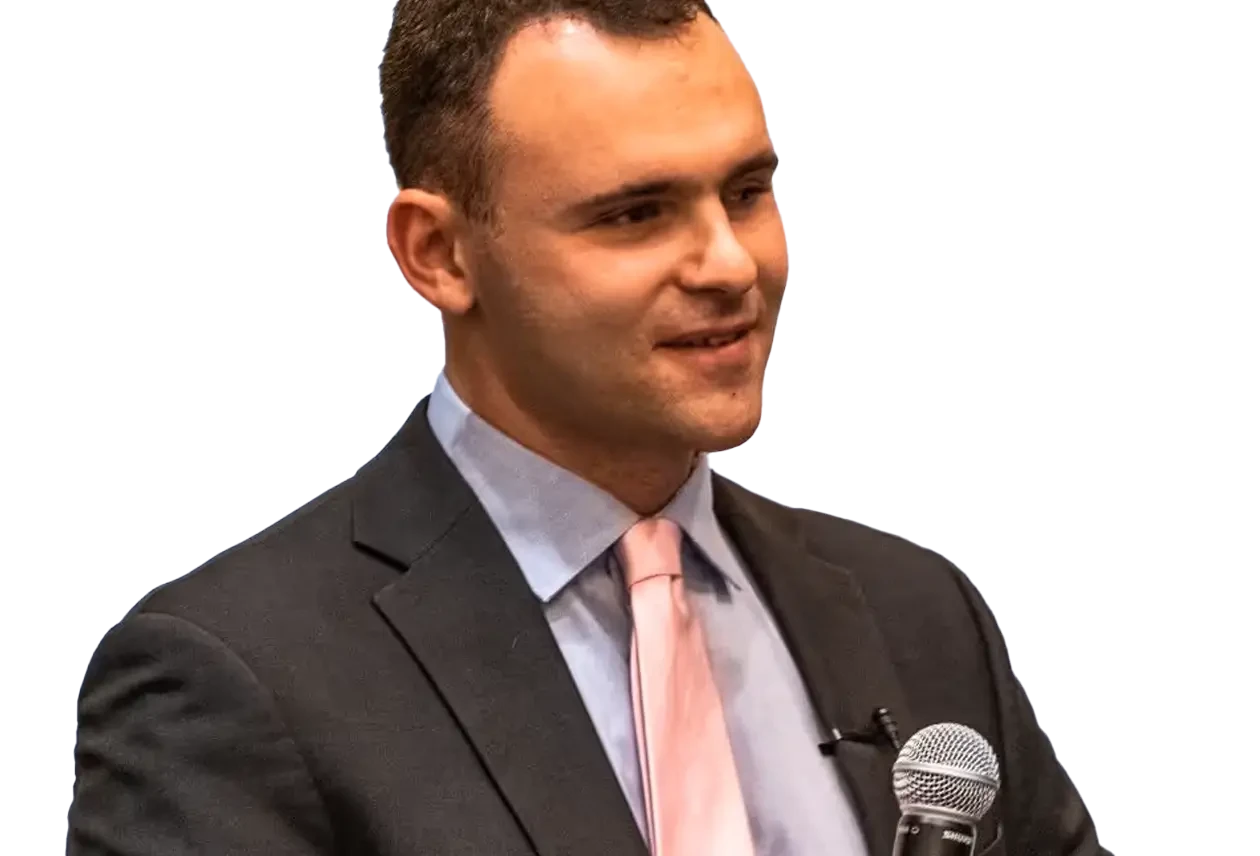
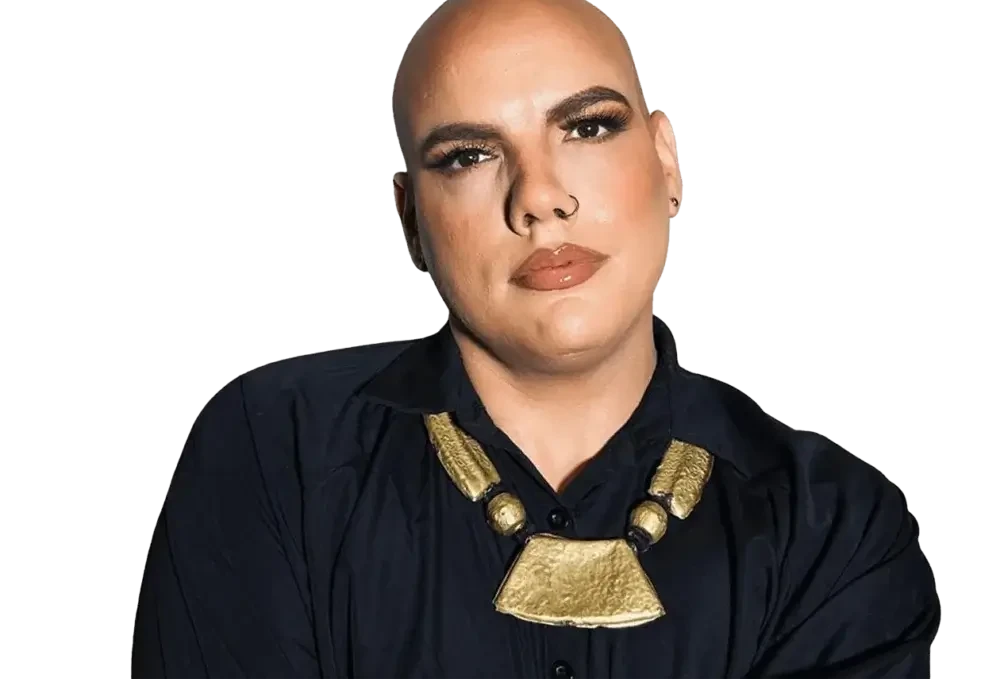
Mark Travis Rivera is the founder of The Professional Storyteller and a DEI consultant whose award-winning advocacy centres disabled voices in the workplace. His sessions blend storytelling with practical inclusion strategy, helping organisations turn good intentions into lasting change.
Learn more and book Mark Travis Rivera →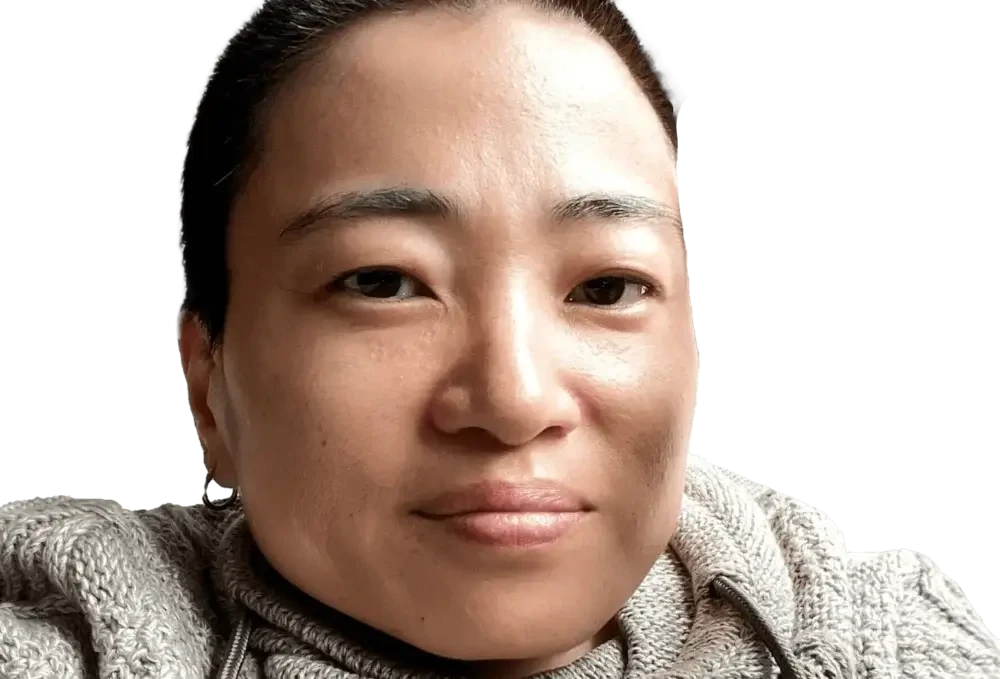
Mia Ives-Rublee
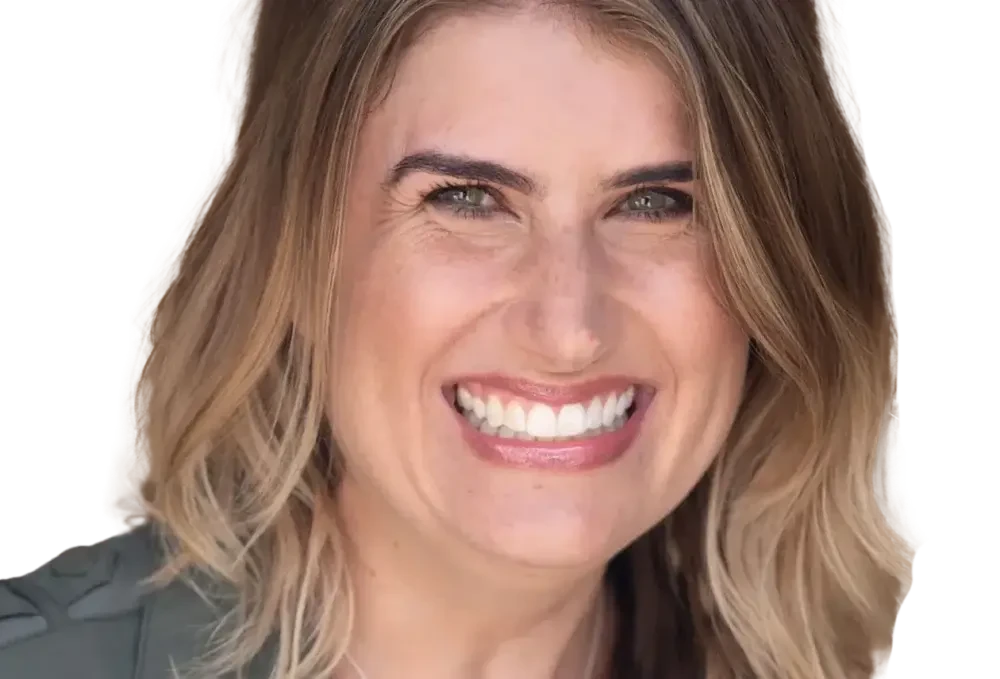
Mia Ives-Rublee is a disabled activist and civil rights advocate best known for organising the Women's March. She speaks on building intersectional, accessible movements and translating grassroots organising into lasting workplace and policy change.
Learn more and book Mia Ives-Rublee →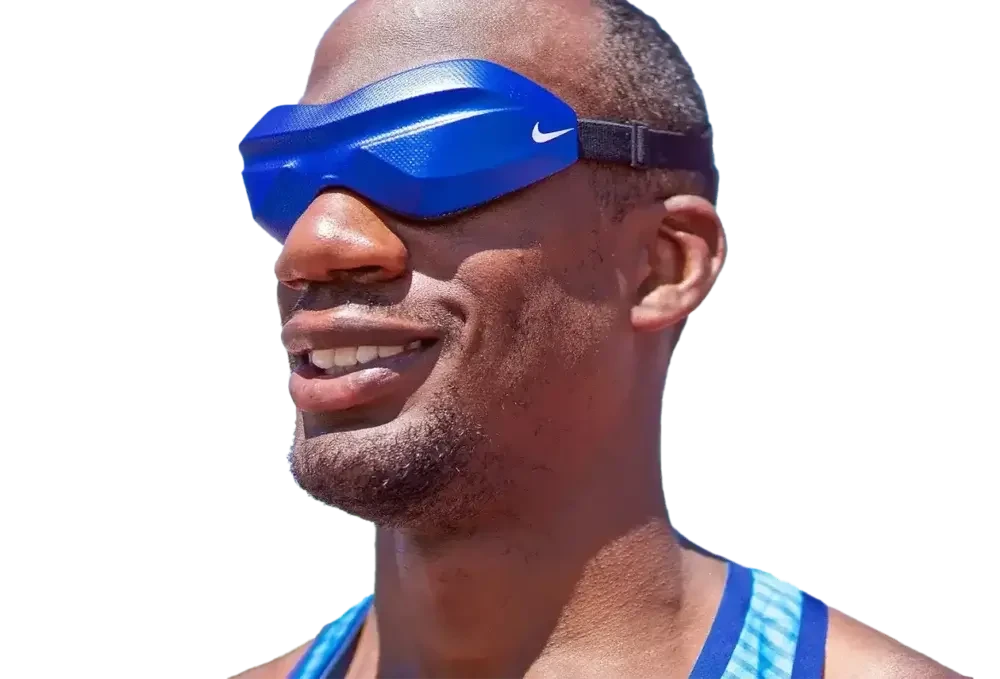
Lex Gillette
Lex Gillette is a Paralympic medallist and world champion long jumper who has been blind since childhood. His talks use elite sport as a lens for goal-setting, resilience and reframing perceived limitations.
Learn more and book Lex Gillette →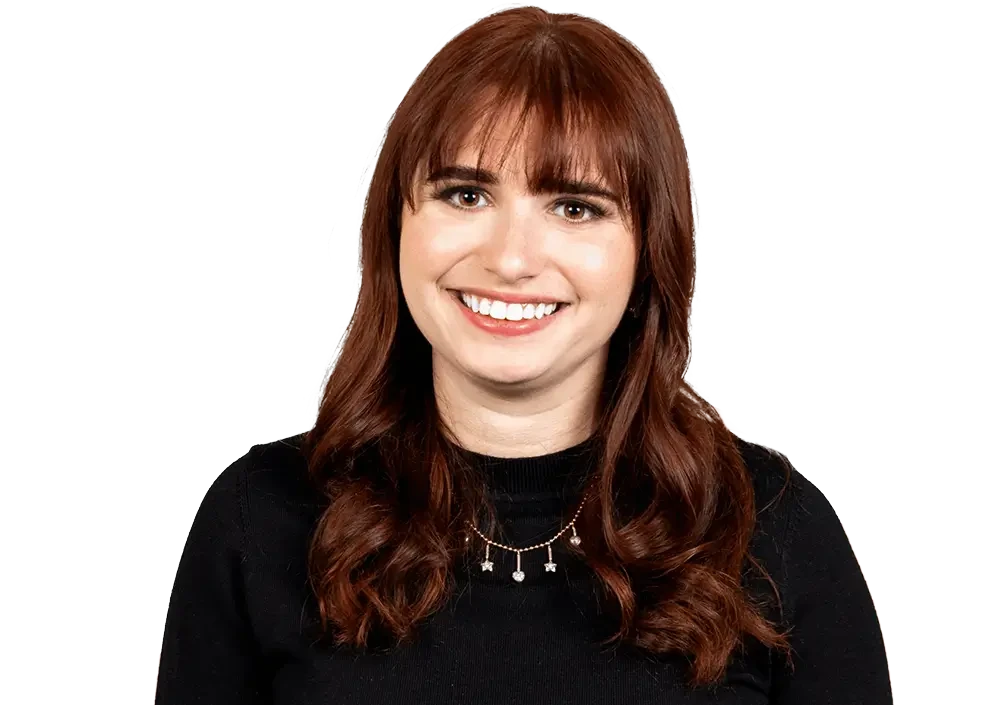
Haley Moss
Haley Moss is an author, attorney and neurodiversity expert who speaks on autism, disability inclusion and building workplaces where neurodivergent talent can thrive.
Learn more and book Haley Moss →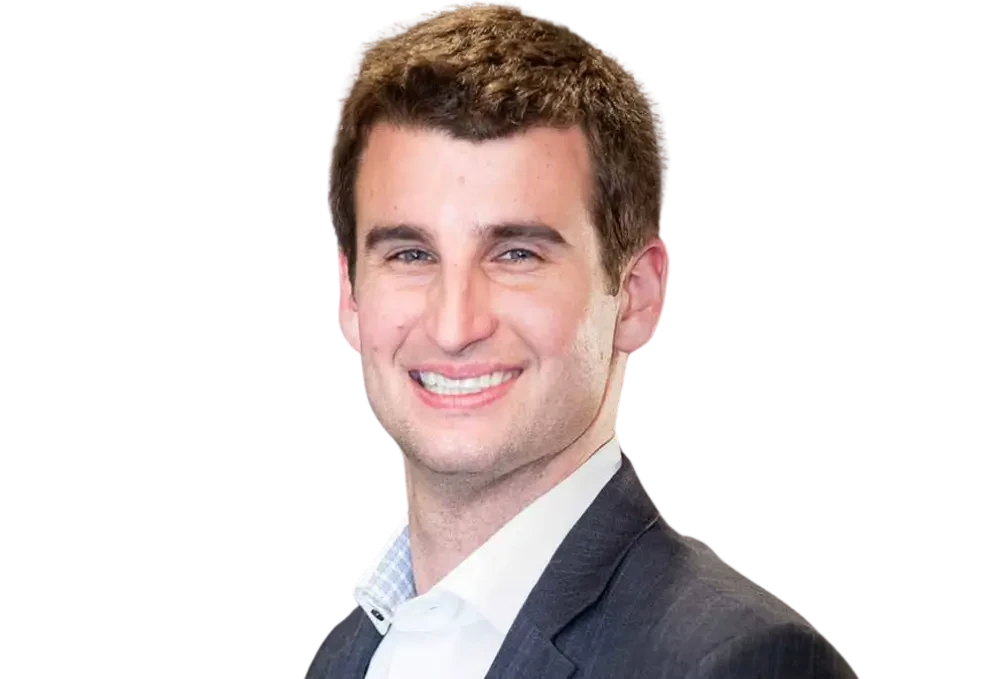
Austin Hatch
Austin Hatch survived two plane crashes and went on to play Division One basketball. He speaks on resilience, mindset and finding purpose after devastating loss.
Learn more and book Austin Hatch →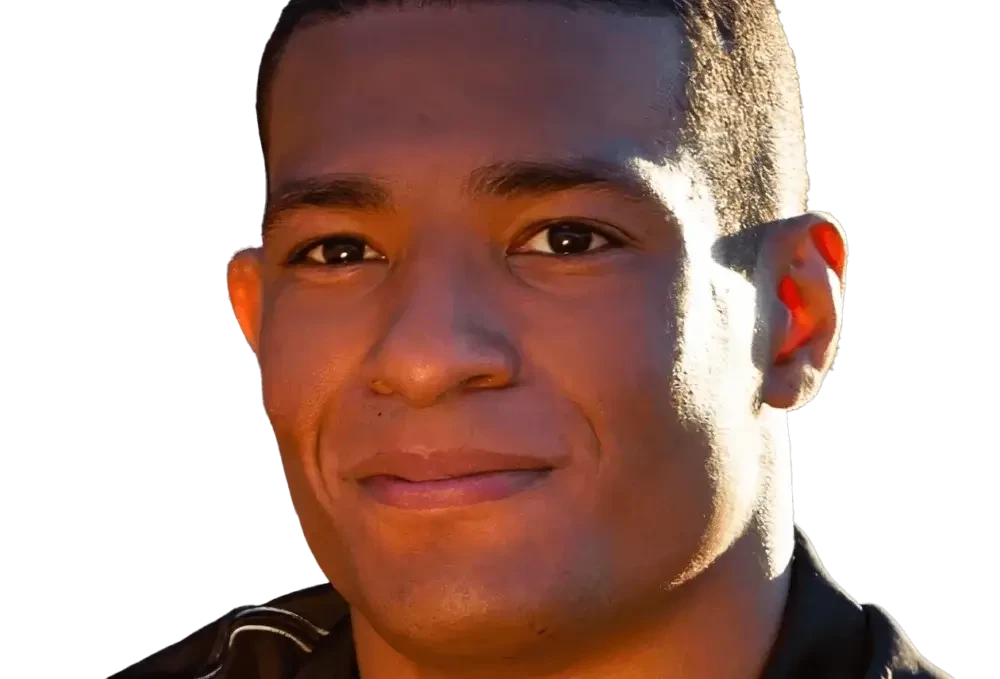
Anthony Robles
Anthony Robles won an NCAA wrestling championship despite being born with one leg, a story later told in the film Unstoppable. He now speaks and works as an ESPN analyst, sharing lessons on adaptability and defying expectations.
Learn more and book Anthony Robles →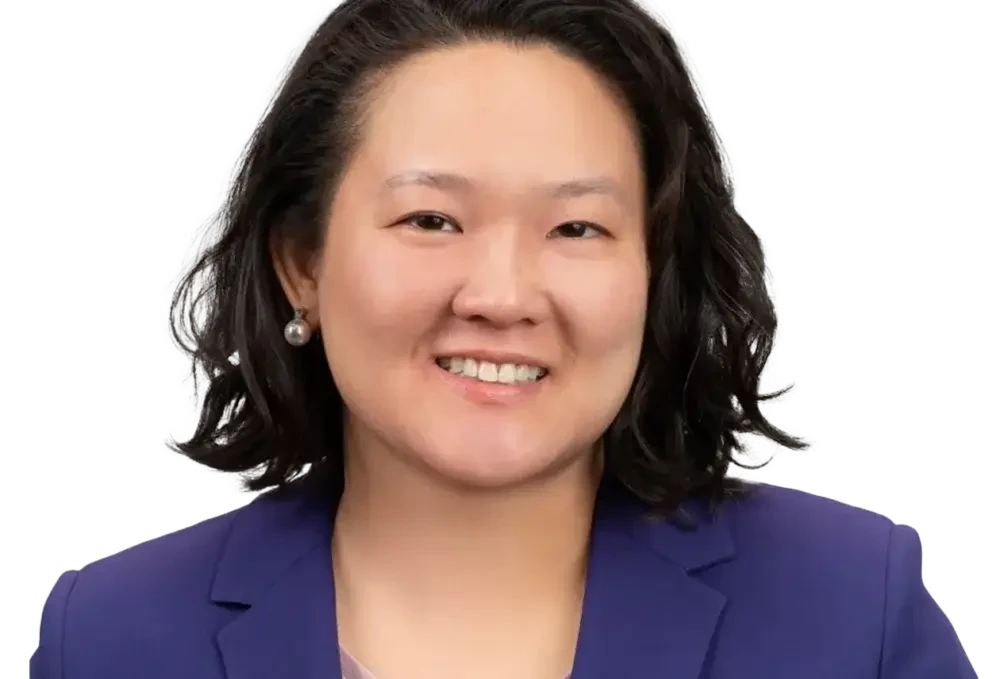
Sheila Xu
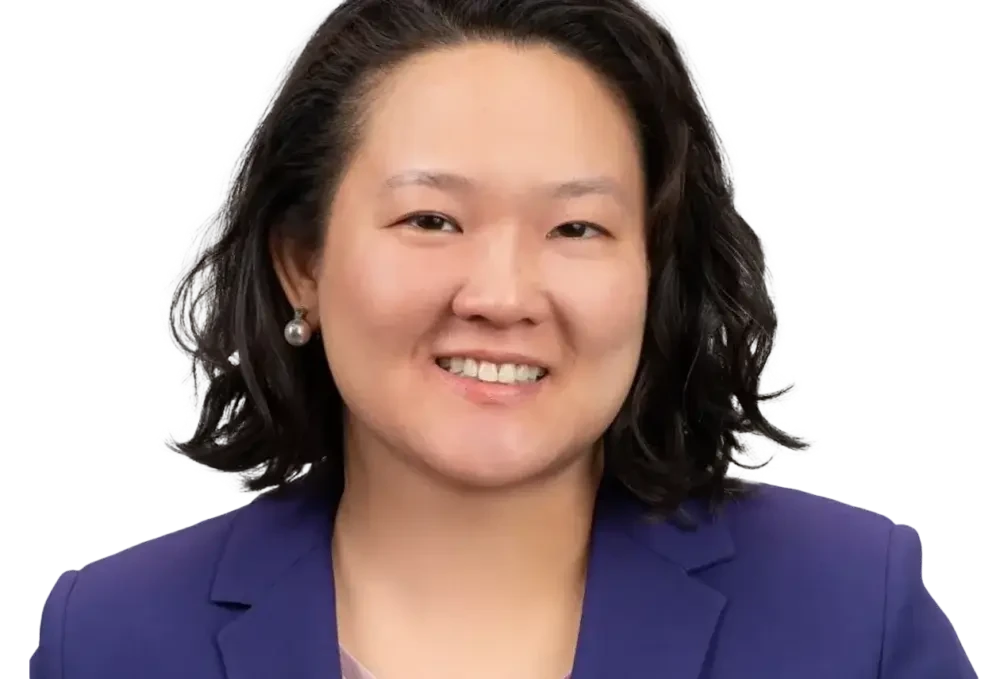
Sheila Xu is breaking new ground at the intersection of disability inclusion and space exploration. As Deputy Director of AstroAccess and a trained analogue astronaut, she’s a leading voice on why accessibility must be a priority in STEM and aerospace. Sheila’s talks are a compelling mix of science, innovation, and social impact, showing how inclusive design in extreme environments leads to better outcomes for everyone.
PepTalk Fact: Sheila earned her pilot’s licence and is a passionate advocate for accessible aviation — her call sign is “Cool” ✈️
Learn more and book Sheila Xu →Watch the video of Sheila's inspiring story:
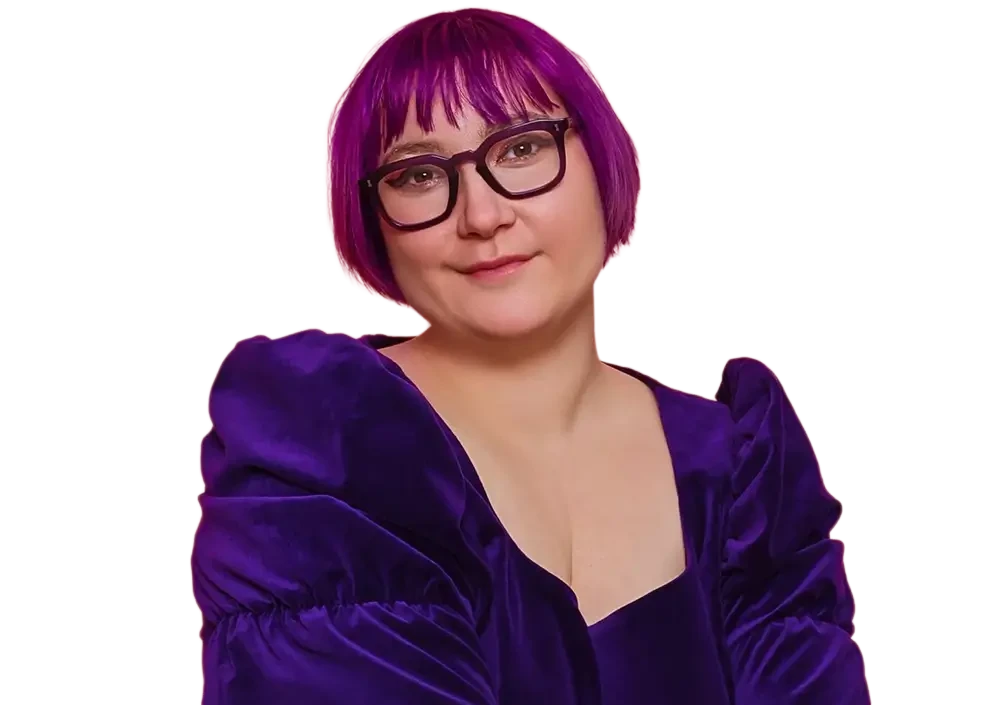
Ellen Jones
Ellen Jones brings sharp insight and lived experience to conversations around disability, neurodiversity, and inclusive leadership. With a decade of consulting experience and a client list that includes Google, Adobe, and Kellogg’s, she knows how to move inclusion from theory to practice. Her delivery is fresh, practical, and unflinchingly honest — ideal for teams that want more than buzzwords and are ready to do the work.
PepTalk Fact: Ellen’s debut book Outrage, published by Pan Macmillan, was a 2025 bestseller 📚
Learn more and book Ellen Jones →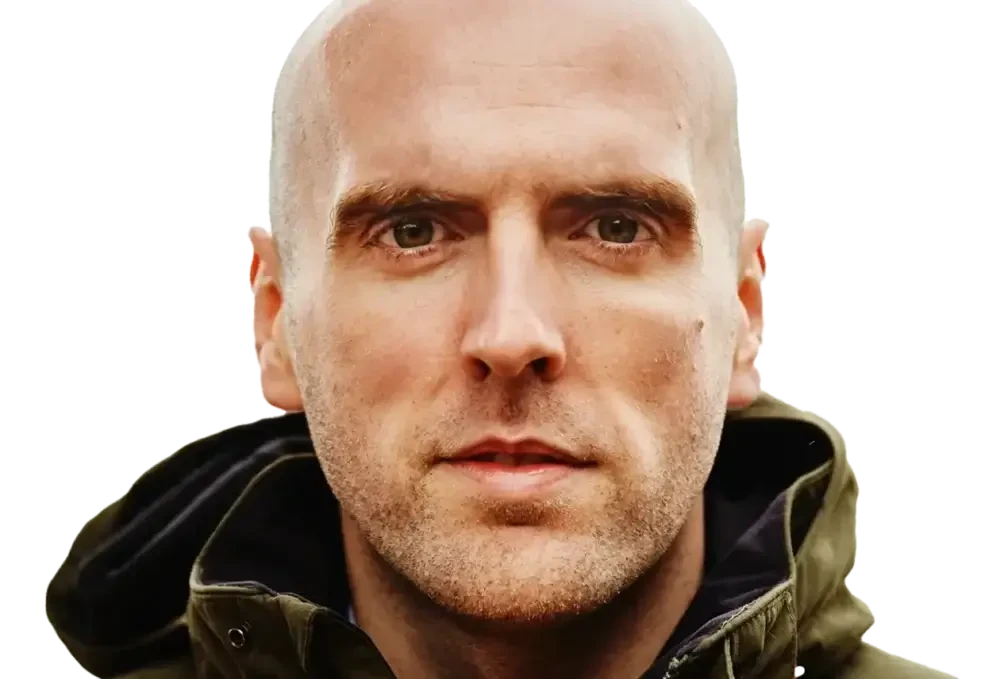
Simon Wheatcroft
Simon Wheatcroft is a blind adventurer and tech innovator who builds — and tests — the technology that helps others push boundaries. He has collaborated with IBM, MIT, and Google on cutting-edge projects, and has run ultramarathons using only technological guidance. Simon’s story challenges assumptions and is perfect for organisations looking to explore the link between innovation, resilience, and inclusive design.
PepTalk Fact: Simon was one of the first blind runners to solo-run the New York Marathon 🏃♂️
Learn more and book Simon Wheatcroft →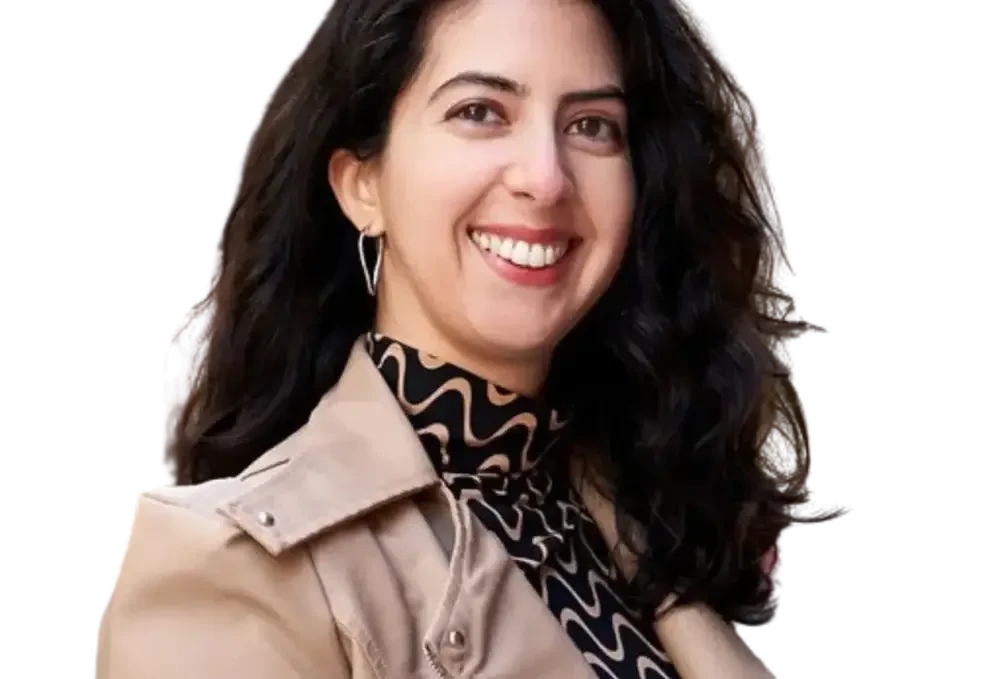
Catarina Rivera
Catarina Rivera is a passionate advocate and educator who brings a rich mix of public health expertise and lived experience to her talks. As the founder of Blindish Latina, she challenges stigma and champions inclusive practices, especially around non-apparent disabilities. Catarina’s sessions are thoughtful, intersectional, and actionable — ideal for workplaces looking to deepen their understanding of accessibility and belonging.
PepTalk Fact: Catarina is bilingual and uses both English and Spanish in her talks and advocacy 🌍
Learn more and book Catarina Rivera →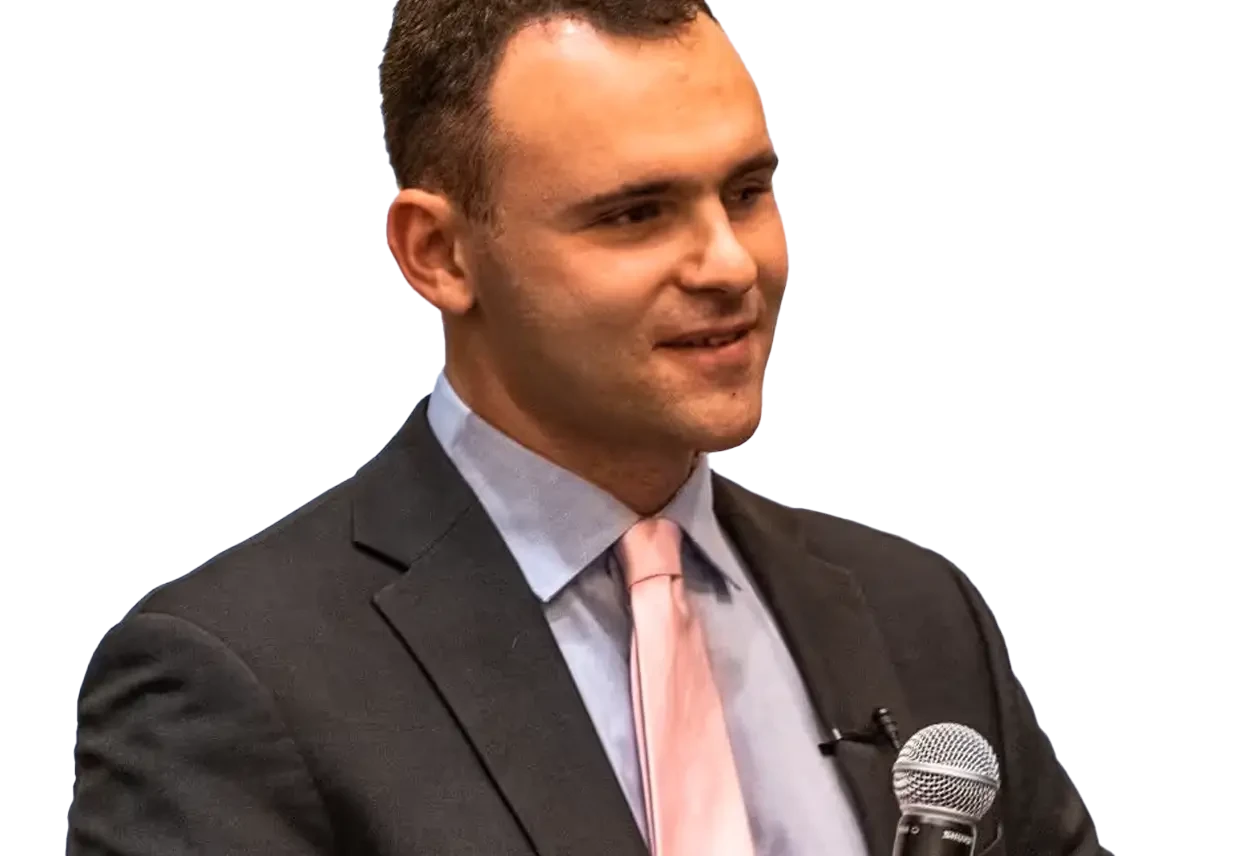
Aaron Golub
Aaron Golub is a powerful speaker whose journey from legally blind athlete to international keynote presenter is a testament to grit and leadership. As one of the first legally blind athletes to play Division One football, Aaron shares lessons on mindset, transformation, and what it takes to break through perceived limits. His talks offer practical takeaways that resonate with leaders, teams, and high-performers looking to challenge the status quo.
PepTalk Fact: Aaron is a legally blind athlete who played Division One college football 🏈
Learn more and book Aaron Golub →Watch Aaron's speaker reel video:
The Story Behind the Disability Pride Month Flag
The Disability Pride Flag was first created in 2019 by Ann Magill, a writer who has cerebral palsy. Like other pride flags, it is meant to raise awareness, build solidarity, and express pride in one's identity. The idea came to her after attending an event celebrating the 20th anniversary of the Americans with Disabilities Act. It was held in the basement and on the grounds of an independent living center, out of sight, instead of in a public space. That experience stuck with Ann and pushed her to design a flag that made disability pride visible.
Her original design featured bold, zigzagging stripes across a black background. The zigzags symbolized the barriers people with disabilities constantly have to work around. But when people began viewing it on phones or screens, some experienced symptoms due to the visual intensity, particularly those with sensory sensitivities. The community also offered constructive feedback.
Ann took that feedback seriously and refined the design. The updated flag has muted colors, straightened lines, and reordered stripes to be more accessible, including adjustments for people with red-green colorblindness. She sees the final version as a true collaboration—something shaped by the community, for the community. To make sure everyone could use it freely, Ann waived her copyright and released it into the public domain.
Here’s what each color on the new Disability Pride flag stands for:
- Red – physical disabilities
- Gold – neurodiversity
- White – invisible or undiagnosed disabilities
- Blue – emotional and psychiatric disabilities
- Green – sensory disabilities (like deafness or blindness)
- Black background – mourning and rage for victims of ableist violence and abuse
- Diagonal band – breaking through barriers and representing the light and creativity within the disabled community
More than just a design, the flag is a symbol of resilience, pride, and a community that collaborates to solve problems.
READ MORE: Disability Motivational Speakers: Boosting Inclusion at Work
Looking forward to Disability Pride Month 2026 and beyond
As Disability Pride Month continues to gain recognition, it's important to think about the future of this event. The ultimate goal is to create a world where disability is seen as a natural and valuable part of human diversity, not a limitation.
We imagine a world where inclusive workplace practices are the norm and disability rights advocacy is part of all societies. This means ongoing efforts to challenge ableism, promote accessibility, and ensure that people with disabilities have equal opportunities to thrive. Happy Disability Pride Month.
💡 Would your team or ERG benefit from a Disability Pride Month Speaker? Let us know, and we’ll build a curated and on budget list of Disability Pride speakers for your event. Send us a message and we'll set up a free strategy call. Remember, it’s always a good time to get a PepTalk!
Moraea Phillips
Read more from Moraea Phillips
Moraea is a Talent and Engagement Manager at PepTalk, with over 10 years of experience in scientific research before moving into events and communications. She obtained her BSc in Spain and her MSc in Marine Biology in South Africa, where she currently lives.
Tell us about your event and we'll match you with the right person for your audience.
Trusted by 5k+ event planners
Similar Articles


Tell us about your event. We'll find the right voice.
Get expert recommendations matched to your brief, your audience, and your budget.