What Does The TED In TED Talks Stand For?
TED stands for Technology, Entertainment and Design. Find out what a TED Talk is, how TED differs from TEDx, and who runs TED now.
H2 link
Tell us about your event and we'll match you with the right person for your audience.
Trusted by 3k+ event planners
Recommended experts
TED stands for Technology, Entertainment and Design, the three fields brought together at the first TED conference in California in 1984. Four decades on, TED Talks cover almost any subject, from science and business to wellbeing and global affairs, and the name has stuck even as the scope has grown well beyond those three words.
What does TED stand for in TED Talks?
TED stands for Technology, Entertainment and Design. The name comes from the first TED conference in 1984, which set out to bring people from those three industries into one room. The acronym still names the organisation, the conferences and the talks, although TED Talks now cover almost every subject.
So when someone says they're "giving a TED Talk", they mean a talk given at, or published by, TED, the nonprofit that grew out of that 1984 event.
What is a TED Talk?
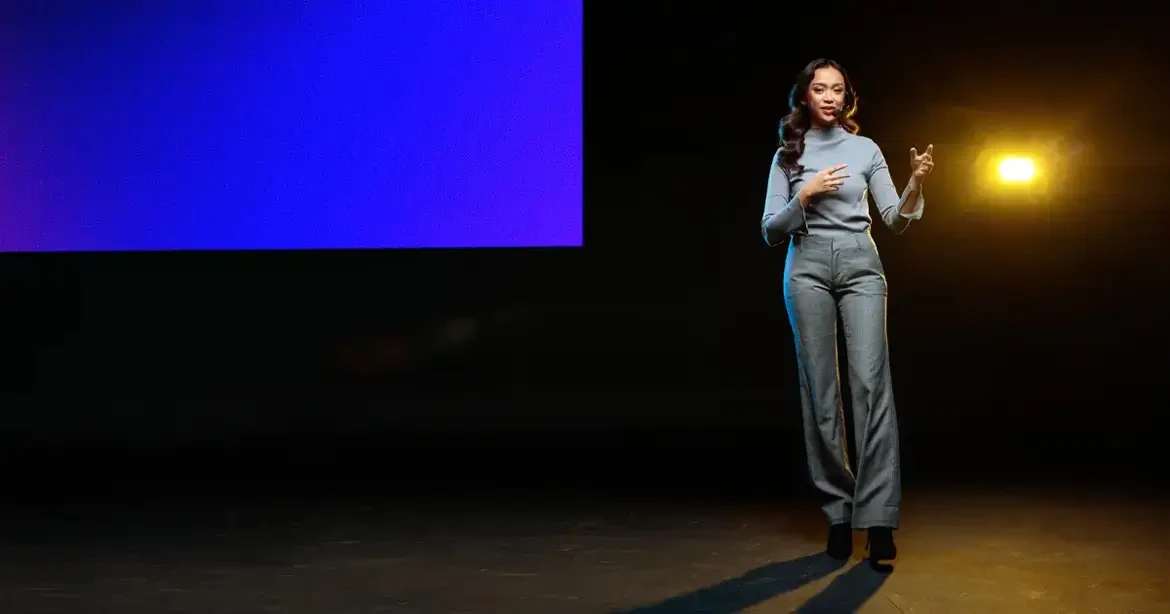
A TED Talk is a short, prepared talk of up to 18 minutes, given by an expert, practitioner or storyteller at a TED or TEDx event and shared free online. Each one centres on a single idea, delivered without slides full of bullet points, and written for a general audience.
The 18-minute limit is the format's signature. It's long enough to make a serious argument and short enough to hold attention, which is a big part of why the talks travel so well online. TED says its content was viewed 2.5 billion times worldwide in 2023 alone.
What's the difference between TED and TEDx?
TED is the nonprofit that runs the main annual TED conference and publishes talks on TED.com. TEDx events are independently organised local events that run under a free licence from TED and follow its format and principles. The "x" stands for an independently organised event.
TED launched the TEDx programme in 2009, and it now accounts for the vast majority of talks given under the TED name, at universities, cities and companies around the world. TEDx speakers aren't paid, and TED can edit and share their talks under a Creative Commons licence. The strongest TEDx talks are sometimes picked up and featured on TED's own channels, which is why you'll see a TEDx event name on some talks hosted at TED.com.
Some of the biggest TEDx events run like conferences in their own right. PepTalk speaker Maryam Pasha is a director of TEDxLondon, one of the UK's best-known independently organised TED events.
Who started TED, and who runs it now?
TED was founded in February 1984 by architect and graphic designer Richard Saul Wurman and broadcast designer Harry Marks. The first conference, at the Monterey Conference Center in California, featured early demos of the compact disc and the Apple Macintosh. It lost money and was meant as a one-off, but Wurman revived it in 1990 as an annual event.
In November 2001, Chris Anderson's nonprofit Sapling Foundation acquired TED. Under Anderson, TED launched TEDGlobal and the TED Prize, and in June 2006 began publishing talks free online, which turned a private conference into a global media platform. The main conference moved from California to Vancouver in 2014.
In February 2025, Anderson announced he was looking for new leadership to take TED into its next 25 years. After more than 100 expressions of interest, TED confirmed in October 2025 that it would stay a nonprofit, with Logan McClure Davda as CEO and Khan Academy founder Sal Khan as "vision steward". Anderson handed over at TED2026 in Vancouver in April 2026, the last conference there, and stays on the board. From 2027, the flagship conference moves to San Diego.
What are the most popular TED Talks of all time?
TED keeps its own ranking of the most-watched talks, updated yearly. As of September 2026, the top of that list reads:
- Sir Ken Robinson, "Do schools kill creativity?" (2006). The most-watched TED Talk ever, with more than 80 million plays on TED.com. Robinson died in 2020.
- Tim Urban, "Inside the mind of a master procrastinator".
- Amy Cuddy, "Your body language may shape who you are". The power-posing research behind it has since been widely debated in psychology.
- Brené Brown, "The power of vulnerability".
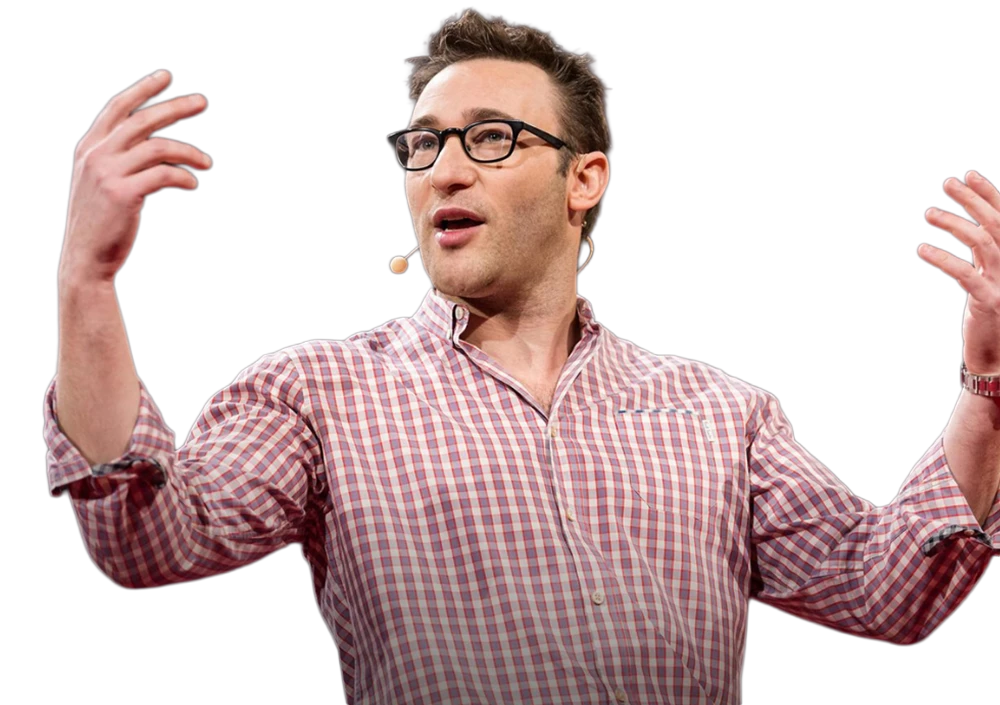
- Simon Sinek, "How great leaders inspire action", given at TEDxPugetSound in 2009 and later featured by TED.
- Julian Treasure, "How to speak so that people want to listen".
- James Veitch, "This is what happens when you reply to spam email".
- Robert Waldinger, "What makes a good life? Lessons from the longest study on happiness".
Most of these run well under the 18-minute cap. Julian Treasure's and James Veitch's are both under ten minutes.
READ MORE: Planning A Day-Long Event Program: Lessons from TEDx
Can you book a TED or TEDx speaker for your event?
Yes. Many TED and TEDx speakers also give keynotes, workshops and panel sessions for corporate and public events, and PepTalk represents speakers who have presented at TED and TEDx across science, leadership, wellbeing, social change and more. A TED Talk is a useful preview: you can watch exactly how a speaker holds a room before you book.
If you've got a specific TED speaker in mind, or a theme you'd like covered, send us a message via the chat and we'll check availability and fees.
READ MORE: 5 TED Talks on Leadership That Reveal Surprising Truths You've Never Considered
Speakers from the TED stage you can book through PepTalk
These PepTalk speakers have given talks at TED's own conferences and events. Each talk is a good preview of how they hold a room.
Julian Treasure
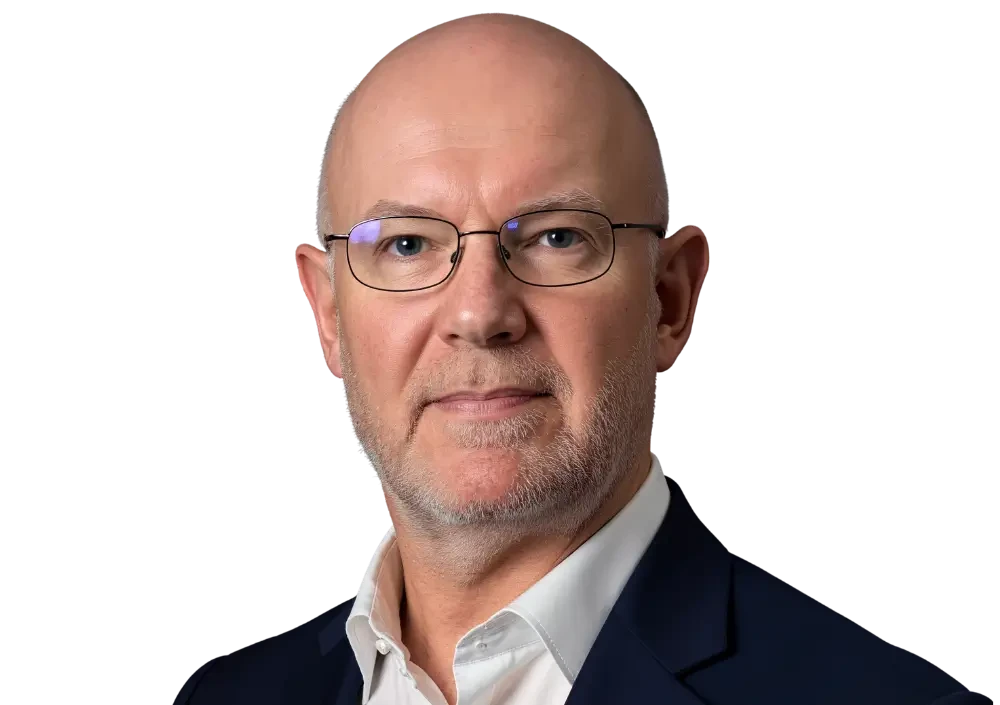
Sound and communication expert behind one of TED's most-watched talks, "How to speak so that people want to listen". In under ten minutes he covers the habits that make people stop listening and the vocal tools that bring them back.
Learn more and book Julian Treasure →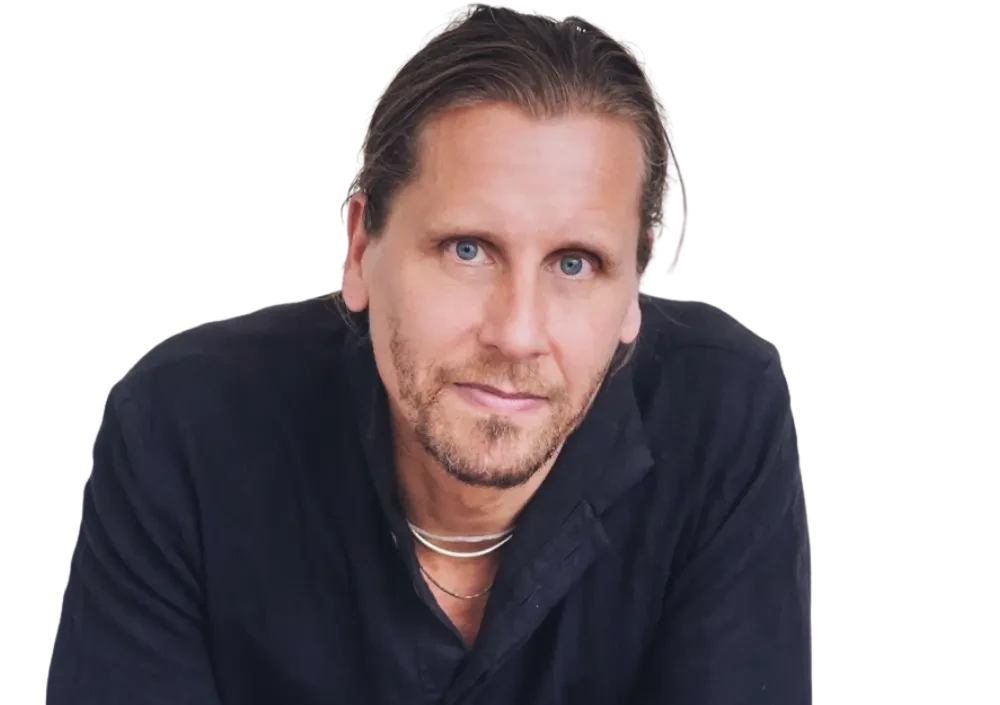
Beau Lotto
Neuroscientist and three-time TED speaker. In "Optical illusions show how we see", he uses colour illusions to show that the brain builds what we see from past experience, a point he takes into talks on perception, creativity and doubt.
Learn more and book Beau Lotto →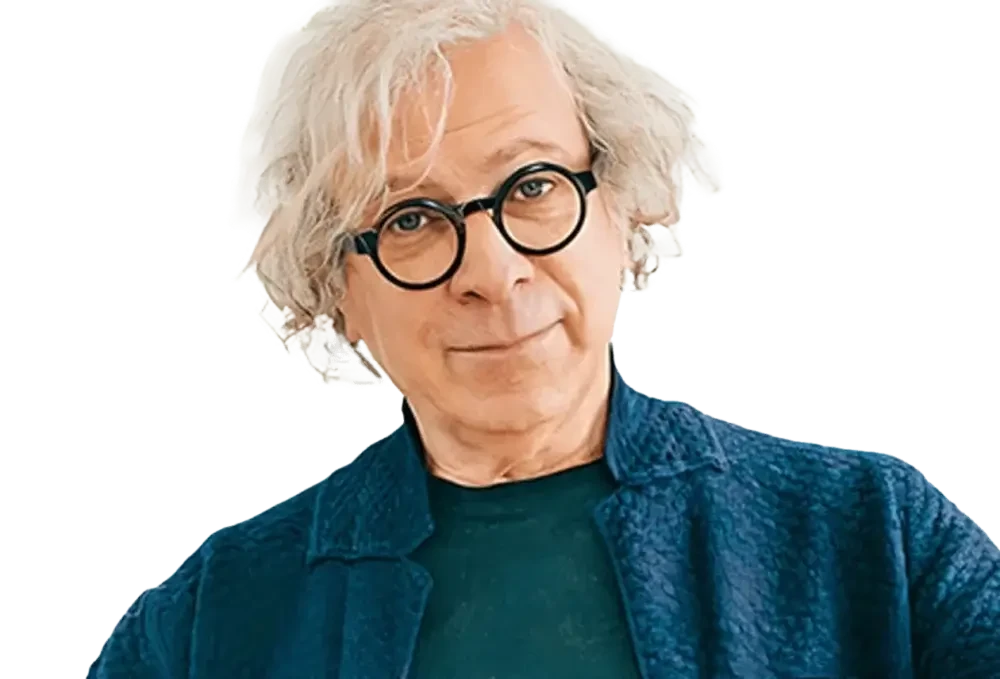
Itay Talgam
Orchestra conductor turned leadership adviser. "Lead like the great conductors" compares footage of famous conductors to show how different leadership styles give an orchestra, or a team, room to perform.
Learn more and book Itay Talgam →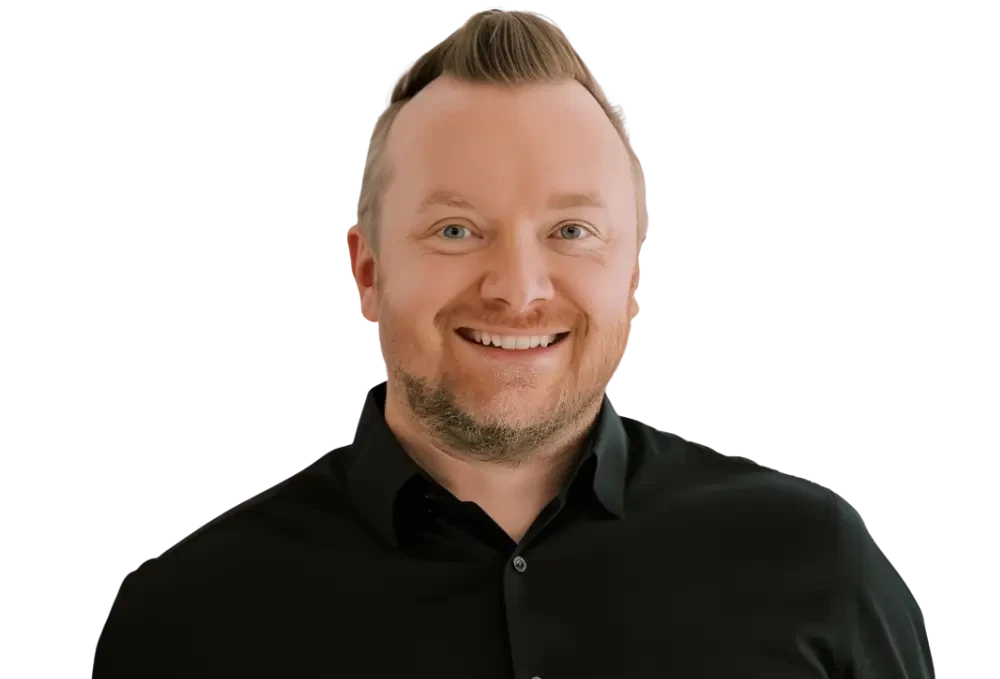
Phil Hansen
Multimedia artist who developed a tremor that ended the pointillist style he'd built his work on. "Embrace the shake" (TED2013) is about how working within that limitation made him more creative.
Learn more and book Phil Hansen →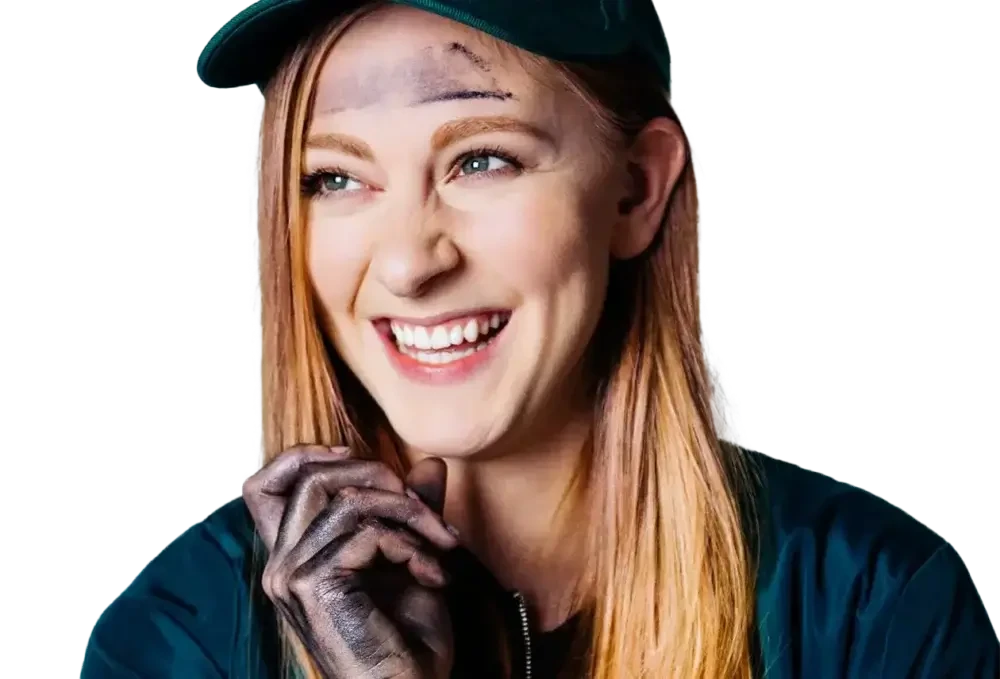
Simone Giertz
Inventor and YouTuber known for building deliberately useless robots. In "Why you should make useless things" (TED2018), she makes the case for building things with no pressure to succeed as a route to learning and invention.
Learn more and book Simone Giertz →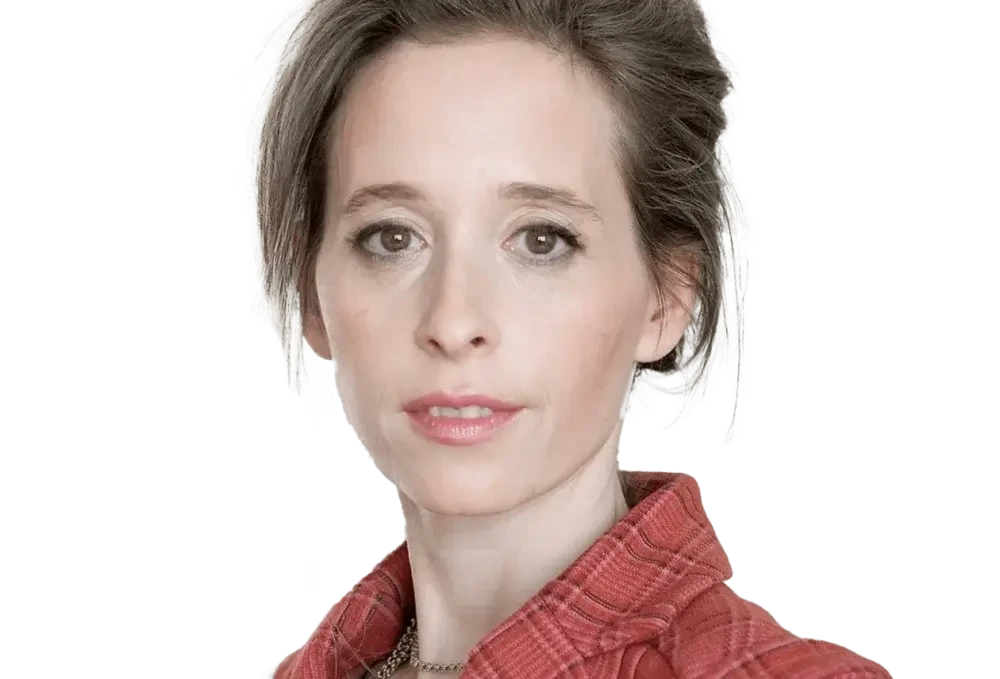
Noreena Hertz
Economist and author. Her TED Talk, "How to use experts, and when not to", looks at why we hand over our judgement to experts so readily and how to challenge them without dismissing expertise.
Learn more and book Noreena Hertz →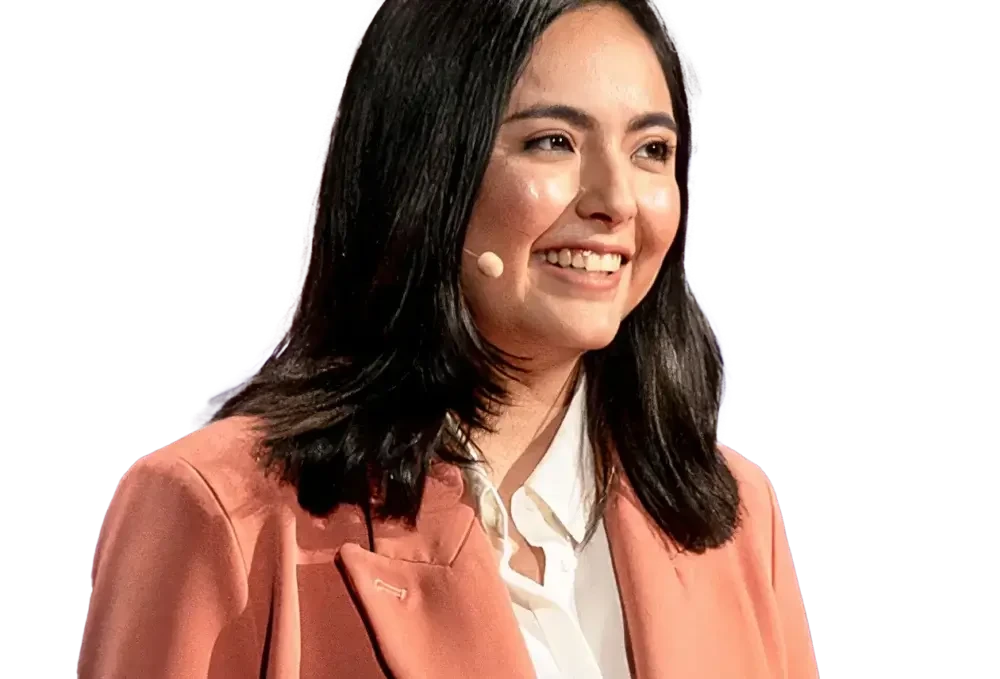
Elizabeth Camarillo Gutierrez
Author and social justice activist. In "What's missing from the American immigrant narrative" (TED@WellsFargo, 2020), she shares her own immigration story, challenges the simplified versions we usually hear, and offers practical ways to support others.
Learn more and book Elizabeth Camarillo Gutierrez →Popular TEDx speakers you can book through PepTalk
These speakers built their reputations on TEDx stages, and several of their talks have gone on to be featured by TED itself.
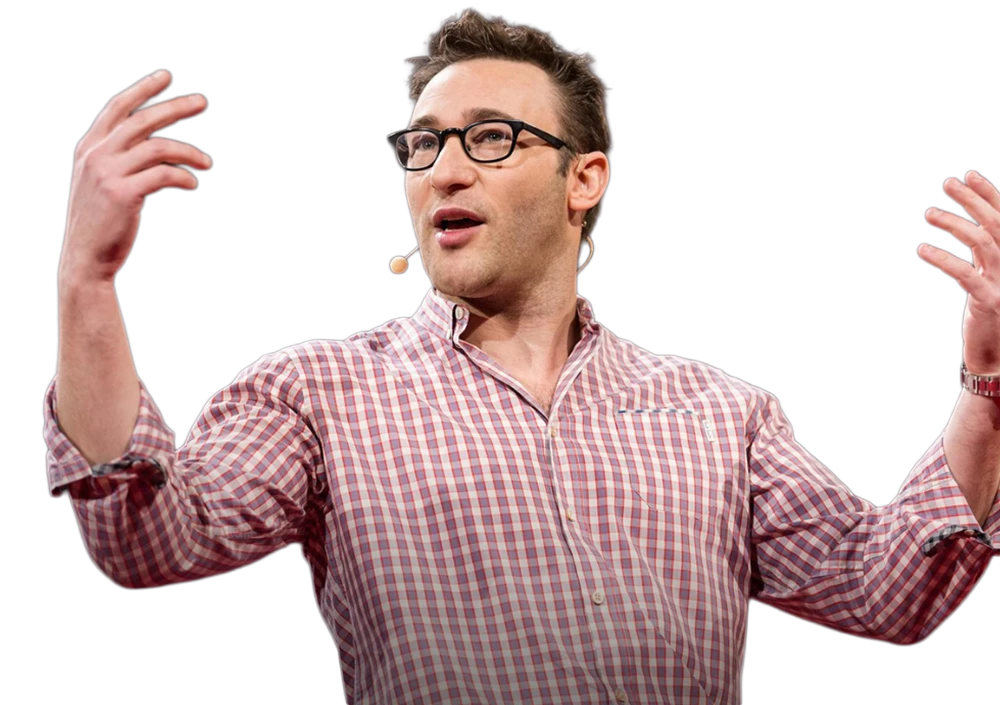
Simon Sinek
Author of Start With Why. "How great leaders inspire action" was given at TEDxPugetSound in 2009 and is now one of the most-watched talks on TED.com, which makes it the best-known example of a TEDx talk crossing over.
Learn more and book Simon Sinek →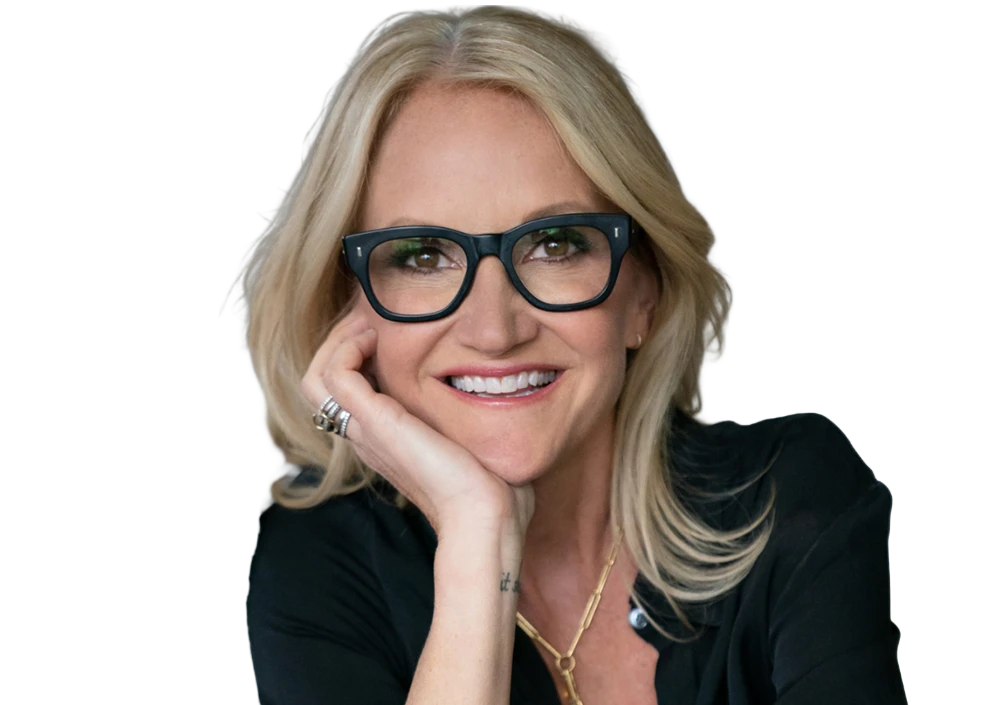
Mel Robbins
Bestselling author and podcast host. Her TEDxSF talk, "How to stop screwing yourself over" (2011), is about why you'll rarely feel like doing the things that change your life, and how to act anyway.
Learn more and book Mel Robbins →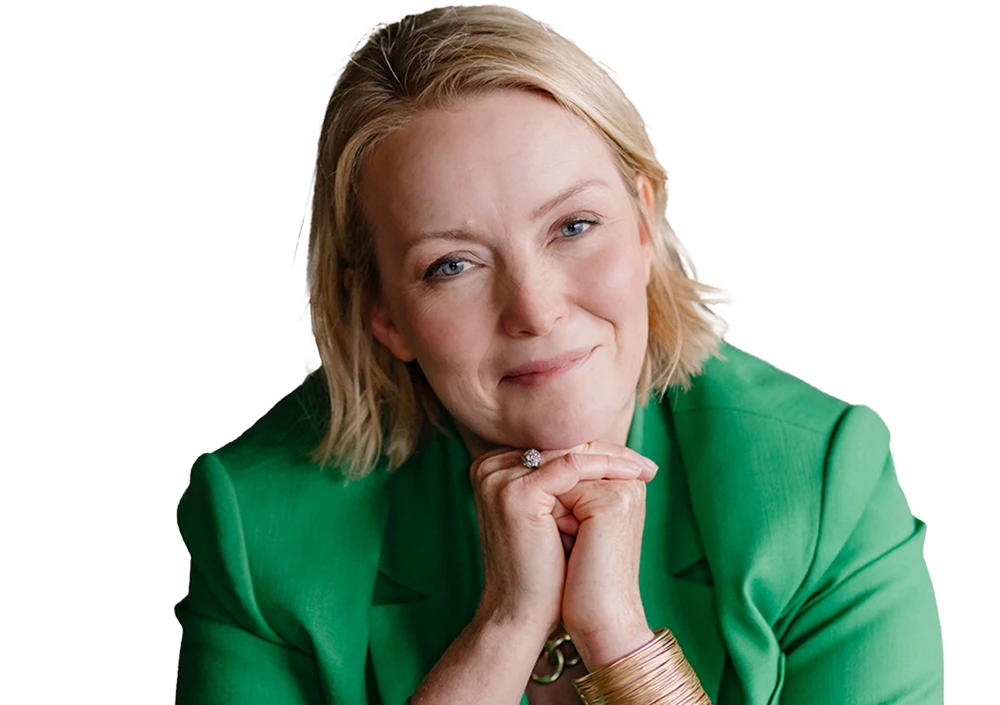
Caroline Goyder
Voice and confidence coach and author. Her TEDxBrixton talk, "The surprising secret to speaking with confidence", shows how treating your voice as an instrument helps you move past stage fright and speak with confidence that feels like your own.
Learn more and book Caroline Goyder →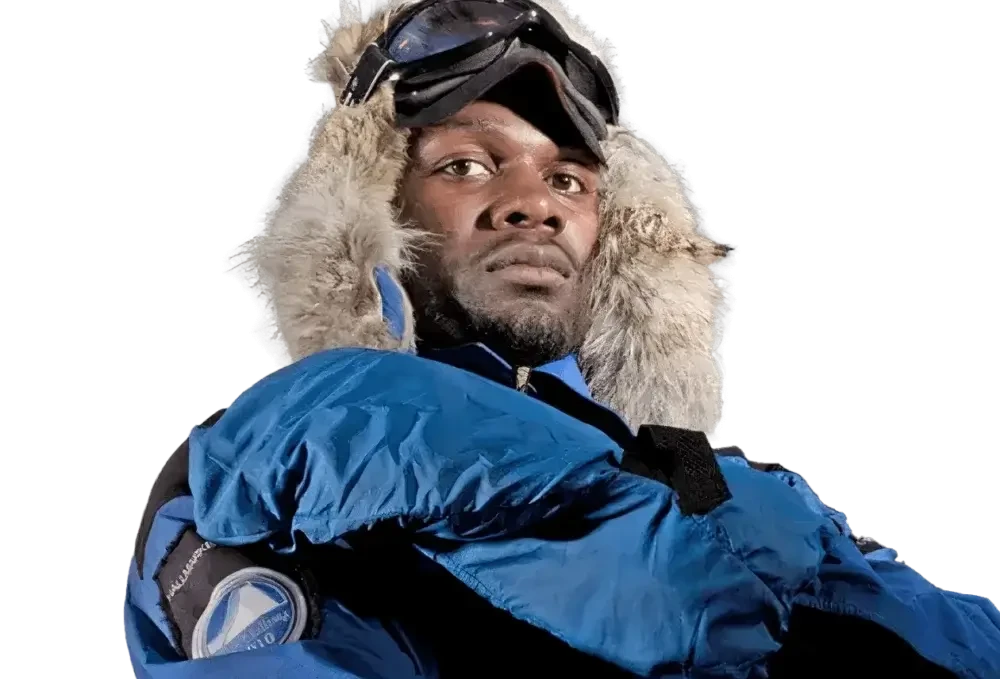
Dwayne Fields
Explorer, UK Chief Scout and advocate for getting more people into nature. At TEDxAstonUniversity, Dwayne and Phoebe Smith gave "Adventure as a force for good", on what time outdoors can do for people who've never had access to it.
Learn more and book Dwayne Fields →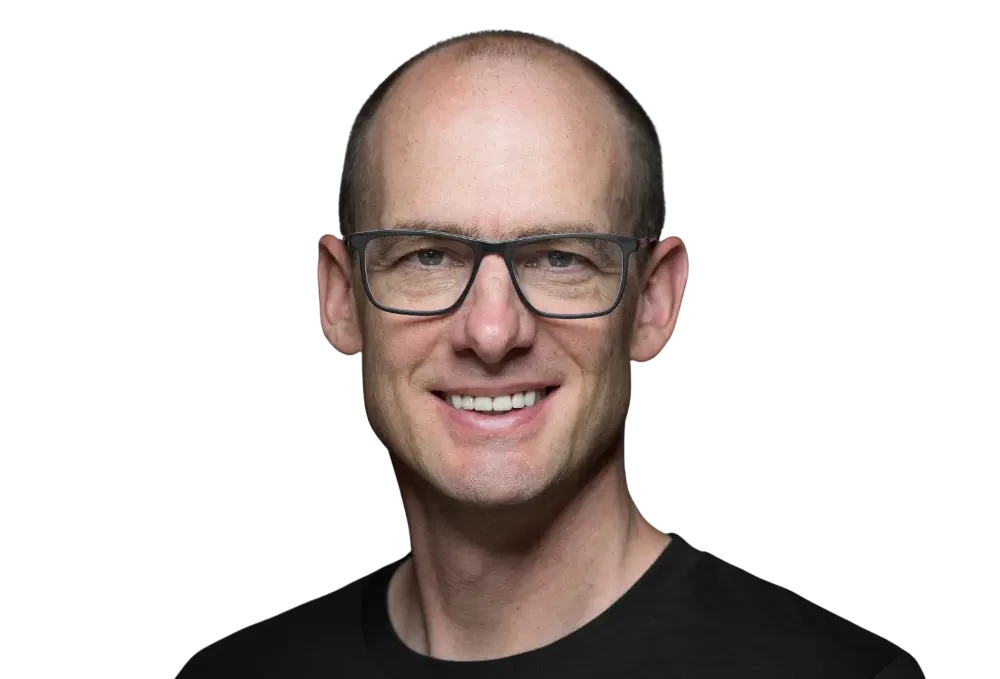
Dr Martin Gutmann
Business historian and leadership professor. His TEDxBerlin talk, "Are we celebrating the wrong leaders?" (2024), was picked up by TED and uses explorer Ernest Shackleton to ask why we praise heroics in a crisis and overlook the leaders who avoid the crisis altogether. We dig into it in Do we celebrate the wrong leaders? and our guide to effective leadership speakers.
Learn more and book Dr Martin Gutmann →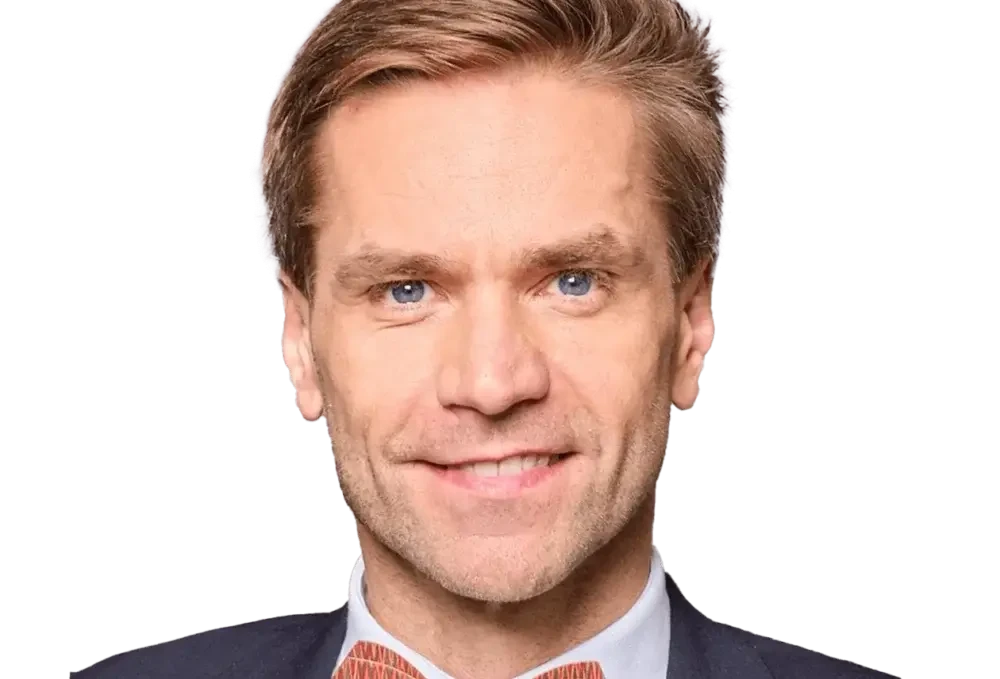
Agnis Stibe
Transformation professor and founder of Transforms.me. In "Transcending instincts: crowdsourced data can fix your motivation" at TEDxRiga (2017), he shows how seeing others make progress towards the same goal makes healthier and greener choices easier to stick to.
Learn more and book Agnis Stibe →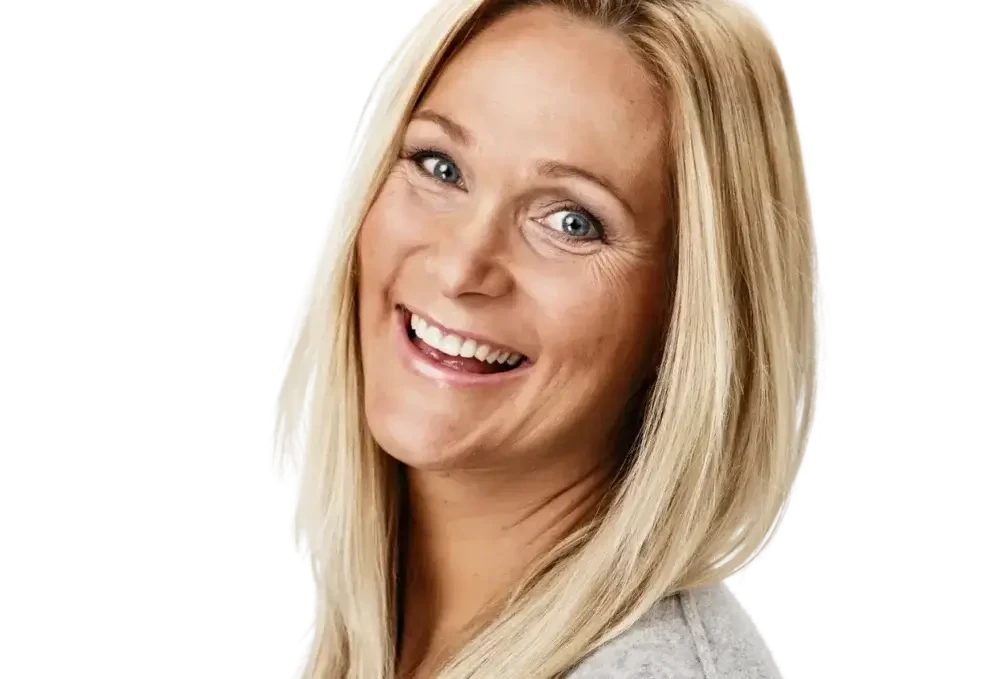
Karina Hollekim
Extreme sports pioneer and author of The Wonderful Feeling of Fear. Her TEDxBucharest talk, "Life beyond fear", is about learning to work with fear, drawn from her career in freeskiing and BASE jumping.
Learn more and book Karina Hollekim →
Roger Frampton
Movement coach and creator of the Frampton Method. "Why sitting down destroys you" (TEDxLeamingtonSpa) shows what hours of sitting do to the body, and demonstrates the movement most of us lose after childhood.
Learn more and book Roger Frampton →Frequently Asked Questions
Why is it called a TED Talk?
A TED Talk is called that because it's named after TED, the organisation behind the conference. TED stands for Technology, Entertainment and Design, the three fields the first conference brought together in 1984. The name stayed as the talks expanded to cover every subject.
How long is a TED Talk?
A TED Talk runs for up to 18 minutes. Many are much shorter: several of the most-watched TED Talks run under ten minutes.
Who owns TED?
TED is owned by a nonprofit. Chris Anderson's Sapling Foundation acquired it in 2001, and in 2025 TED chose to stay a nonprofit under new leadership, with Logan McClure Davda as CEO and Sal Khan as vision steward from TED2026.
Can anyone give a TED Talk?
Speakers at the main TED conference are invited by TED, so not anyone can give a TED Talk, but many TEDx events accept nominations or applications. TEDx events are organised locally, so each one runs its own speaker selection.
Are TED and TEDx speakers paid?
TEDx speakers aren't paid for their TEDx talks. Many TED and TEDx speakers do give paid keynotes and workshops at other events, and PepTalk can book them for yours.
💡 Fancy booking your own TED or TEDx speaker? From communication with Julian Treasure and leadership with Simon Sinek and Itay Talgam to adventure with Dwayne Fields and Karina Hollekim, PepTalk represents TED voices across every topic. Send us a message via the chat and we'll find the right PepTalk expert for your organisation. Remember, it's always a good time to get a PepTalk!
Team PepTalk
Read more from Team PepTalk
At PepTalk, we harness the power of human intelligence to inspire and transform your people, insights, and events. Whether you're looking for expert speakers, tailored learning experiences, or unforgettable corporate events, our team is here to help. Get in touch with us today to find out more.
Tell us about your event and we'll match you with the right person for your audience.
Trusted by 5k+ event planners
Similar Articles


Tell us about your event. We'll find the right voice.
Get expert recommendations matched to your brief, your audience, and your budget.