
Available to book
Chris Moon
Chris Moon MBE helps teams build resilience, adapt to change and lift performance. A former army officer who survived Khmer Rouge captivity and a landmine blast, Chris became the world's first amputee ultra-distance runner.
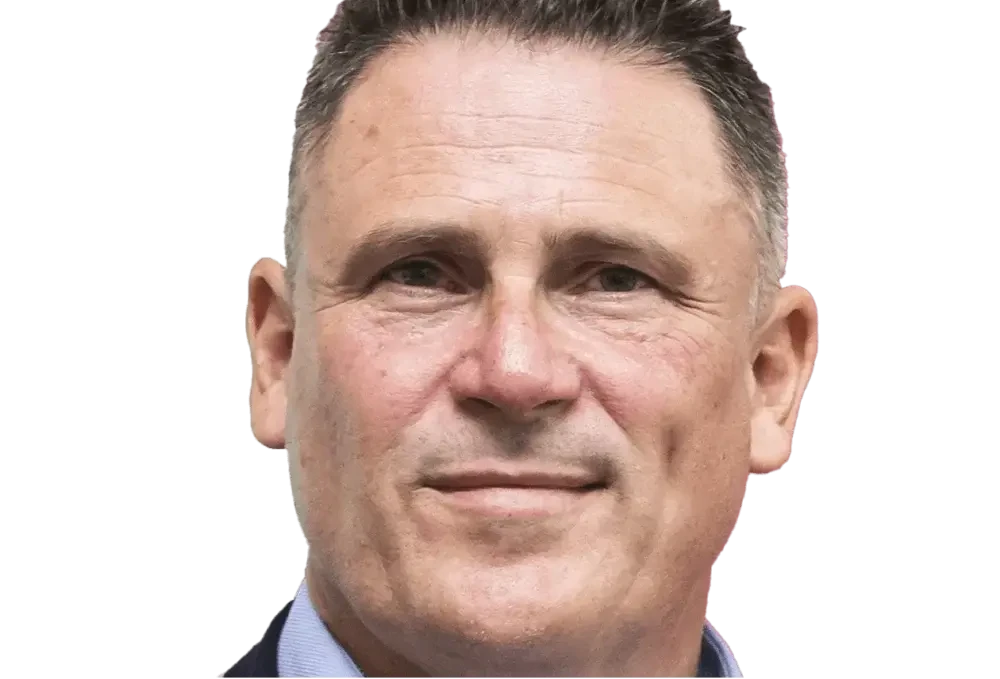
Chris Moon MBE is a former army officer and the world's first amputee ultra-distance runner. He helps individuals and teams perform better through change, pressure and adversity.
After leaving the army, Chris joined a charity clearing landmines. In Cambodia he was taken prisoner by the Khmer Rouge and negotiated his release. In 1995 he lost his right arm and leg to a landmine in Mozambique and treated himself at the scene to survive. Within a year of leaving hospital he ran the London Marathon, and in 1997 he completed the Marathon des Sables. He has since run the Badwater Death Valley 135-mile ultra, walked the 500-mile Camino in record time and led teams up Kilimanjaro and the length of Cambodia by bike.
Chris holds a master's in human behaviour and has worked with psychologists and business schools, so there's academic rigour behind the principles he draws from his experiences. His keynotes and workshops cover resilience, leading through change, adapting in an AI world, health and safety, and mental wellness, and he tailors each one to the client's outcomes, often following up with online sessions and coaching.
Audiences leave with practical tools for handling setbacks, a clearer grasp of the psychology of change and a stronger sense of personal ownership. He delivers it all with humour and plenty of interaction.
Book Chris for a story people won't forget and principles they'll use the next day.
Topics, sessions and talks
Chris Moon survived capture by the Khmer Rouge and later lost his right arm and leg to a landmine while clearing mines for a charity in Mozambique. He went on to become the world's first amputee ultra-distance runner. Drawing on both experiences, Chris challenges the idea of limitation with humour and plenty of interaction, showing how individuals and teams can step beyond perceived limits. The result is higher engagement, renewed enthusiasm, and practical tools for building resilience and lifting performance.
Chris Moon spent years leading large teams through high-risk operations in hazardous areas, and he knows first-hand the human cost of an accident. He explains the causes and effects of accidents from both a psychological and a practical perspective, bringing a fresh angle to health and safety. Chris also shares principles of mental wellness and resilience, so the session covers the whole person. Teams come away more engaged with safety and better equipped to look after their mental health.
In the natural world, things are either growing or dying, and Chris Moon argues that people and organisations are no different. He explains the psychology of change and the emotional journey most people go through when their reality shifts, then shows how to move more quickly to acceptance, adaptability, and action. Drawing on his own experience of adapting after losing an arm and a leg, Chris reassures audiences and equips them to adapt with confidence to whatever comes next.
AI is changing how people work faster than most teams can absorb, and Chris Moon draws on more than 20 years of helping people cope when circumstances shift to steady the room. Built for New Year kick-offs and celebration events, the session uses his survival of Khmer Rouge captivity and a landmine blast, told with warmth and humour, to frame practical mindsets for adapting faster and bouncing back. Teams leave with perspective, energy, and a stronger sense of connection.
Chris Moon brings the humorous side of surviving a landmine blast to the after-dinner stage, using it to show that we choose the way we think. He explains the power of the right mindset, how to stay positive when we don't feel like it, and how to turn challenge into opportunity. Humour is tailored to the organisation and audience by agreement, and the speech can be built around the client's chosen calls to action. Guests leave entertained and thinking differently.
Testimonials
Featured Projects


often considered together
Hari Budha Magar
Resilience
Growth Mindset
Disability Awareness
Mark Ormrod
Disability Awareness
Adversity
Resilience
Craig Wood
Resilience
Innovation
Growth Mindset

frequently asked questions
Something we've not covered here?
Chris Moon uses humour and interactive exercises to turn his accounts of Khmer Rouge captivity, a landmine blast and learning to run again into principles on resilience and change, tailoring each session to the client's desired outcomes.
Chris Moon specialises in resilience through adversity, adapting to change in an AI world, and health, safety, and mental wellness, with sessions including Against All Odds: Lessons In Resilience, Change: Keep Up Or Get Left Behind, and Resilience And Achievement In An AI World. He became the world's first amputee ultra-distance runner when he completed the Marathon des Sables in 1997, after losing an arm and a leg to a landmine while clearing mines for a charity.
No. PepTalk adds no booking fee, so you pay the speaker's fee and nothing beyond it. The service, from shortlist through to contracts and event-day logistics, is included. For repeat or multi-event bookings, PepTalk can agree preferential rates with your procurement team.
Share your event date, audience, format, objectives and budget, and PepTalk sends a hand-picked shortlist within 24 hours. Each suggestion comes with a profile, a fee and a recommendation on the strongest fit. Once you choose, PepTalk handles contracts, travel and logistics through to event day.
The typical fee range is the speaker's standard in-person fee in their home market, shown in their local currency. It moves with format, location, date and session length: virtual sessions and shorter slots usually cost less, while international travel and peak dates cost more. Send your brief to PepTalk and the team will confirm the exact fee in your currency.
Not all of them, and it makes no difference to your booking. PepTalk's network of 15,000+ speakers covers talent the team works with directly alongside speakers represented by agents and agencies worldwide. PepTalk approaches the speaker, negotiates the fee and handles contracting either way.
Three to six months ahead is comfortable for most events, and 12 months is better for large conferences, peak-season dates or one specific in-demand speaker. Shorter timelines are workable, and PepTalk regularly fills last-minute and replacement bookings within days. Availability is the constraint, so get in touch as soon as you have a date.

